Sudden Cardiac Arrest (SCA) is a thief that strikes in silence. It does not discriminate by age or fitness level, and it often arrives without the polite warning of lingering symptoms. In the chaotic moments after a person collapses, the difference between a tragedy and a survival story often comes down to a specific sequence of events. This sequence is known globally as the “Chain of Survival.” It is a powerful metaphor that illustrates how a series of connected actions, when performed rapidly and correctly, can pull a victim back from the brink of death.
Take an online 1st aid course anytime to build confidence in handling common injuries and medical situations.
The concept is simple but profound: a chain is only as strong as its weakest link. If any one of these steps is neglected or delayed, the chances of survival plummet. However, when these links hold strong—from the bystander in the grocery store to the specialized team in the ICU—survival rates skyrocket. Understanding your place in this chain transforms you from a helpless witness into a vital component of a life-saving system.
After completing your training, you will receive your official cpr card as proof of certification.
The Anatomy of a Rescue: Why Every Link Matters
The Chain of Survival is not just a medical protocol; it is a relay race against time. The finish line is a beating heart and a preserved brain. For the layperson, the most terrifying aspect of cardiac arrest is the feeling of isolation. However, the Chain reveals that you are never acting alone; you are simply the starter of an intricate machine designed to save life. Each link buys time for the next, creating a bridge over the chasm of death.
Searching for cpr first aid near me? We provide both online and local class options to fit your schedule.
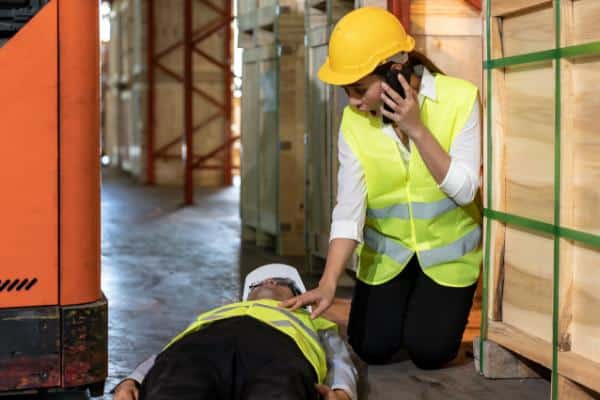
To truly provide value to your community and loved ones, it is essential to understand the mechanics of each link. By demystifying the process, we remove the hesitation that often costs lives.
Immediate Recognition and Activation of Emergency Response
The first link is often the most difficult because it requires overcoming the human instinct of denial. When someone collapses, onlookers often hope they have just fainted or are having a seizure. Valuable minutes are lost wondering, “Are they okay?” The first link demands immediate recognition: if a person is unresponsive and not breathing normally (or only gasping), they are in cardiac arrest.
Once recognized, the “activation” phase begins. This means calling 911 or your local emergency number immediately. It is the act of summoning the cavalry. In this moment, you must be clear and decisive, providing the dispatcher with the location and the status of the victim. This call sets the wheels of professional medicine in motion, but until they arrive, the victim’s life is entirely in your hands.
Early High-Quality CPR
If the first link is the alarm, the second link is the engine. Early Cardiopulmonary Resuscitation (CPR) is the bridge that connects the collapse to the arrival of medical equipment. When the heart stops, oxygenated blood stops flowing to the brain. Brain cells begin to die within minutes.
High-quality chest compressions act as a manual pump. By pushing hard and fast on the center of the chest, you are physically squeezing the heart, forcing blood out to the vital organs. This does not usually restart the heart, but it keeps the brain alive. It buys the “time” that the rest of the chain needs to function. Without this link, the subsequent steps are often futile because the damage to the brain becomes irreversible.
Rapid Defibrillation
The third link is the “reset button.” Most sudden cardiac arrests are caused by an electrical malfunction in the heart called ventricular fibrillation. During this state, the heart quivers uselessly like a bag of worms instead of pumping. No amount of CPR can fix this electrical chaos; only a shock can.
This is where the Automated External Defibrillator (AED) comes in. Rapid defibrillation is the single most effective treatment for SCA. These devices are designed for public use, with voice prompts that guide you through every step. Applying the pads and delivering a shock within the first few minutes can restore a normal heart rhythm. It is the spark that reignites the engine you have been manually pumping.
Advanced Life Support
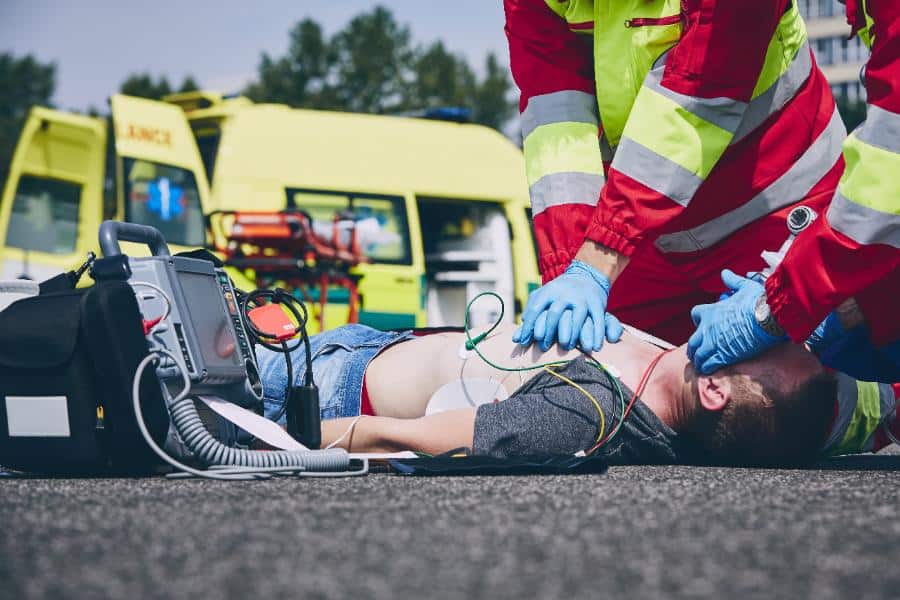
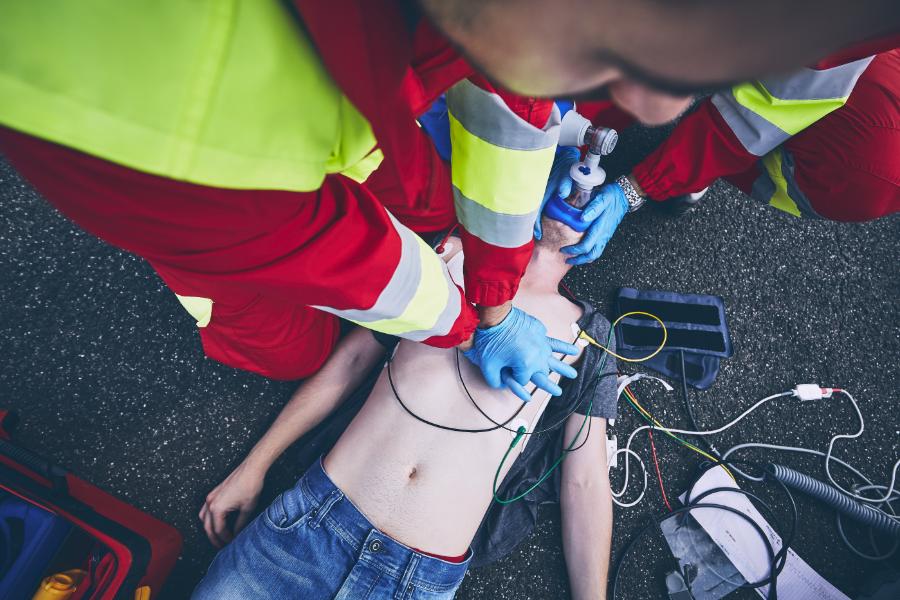
The fourth link marks the arrival of the professionals. This is when Emergency Medical Services (EMS) take over the relay baton. Paramedics bring the emergency room to the sidewalk. They can administer medications to stabilize the heart rhythm, place advanced breathing tubes to ensure oxygenation and use sophisticated monitoring equipment.
While this link is highly technical, it relies entirely on the success of the previous three. If bystanders haven’t called 911, performed CPR, or used an AED, the paramedics are often fighting a losing battle. Advanced Life Support is about stabilizing the patient for transport and preventing the heart from stopping again.
Integrated Post-Cardiac Arrest Care
The final link occurs inside the hospital, but it is no less critical. Surviving the initial event is only the beginning. Post-cardiac arrest syndrome is a complex condition involving brain injury and heart dysfunction. This link involves a multidisciplinary team of cardiologists, neurologists, and critical care nurses.
Modern treatments, such as therapeutic hypothermia (cooling the body to reduce brain swelling) and cardiac catheterization (to clear blocked arteries), are used to preserve brain function and treat the underlying cause of the arrest. The goal of this final link is not just survival, but the return to a quality of life—sending a person back to their family, their job, and their future.