
Choosing the right CPR course is essential for gaining the skills and confidence needed to save a life. With numerous options available, selecting the best course can be overwhelming. This guide will help you navigate the process, ensuring you find a course that fits your needs and enhances your life-saving abilities.
If you’re searching for CPR first aid certification near me, we offer convenient local classes with experienced instructors.
Understanding CPR Courses
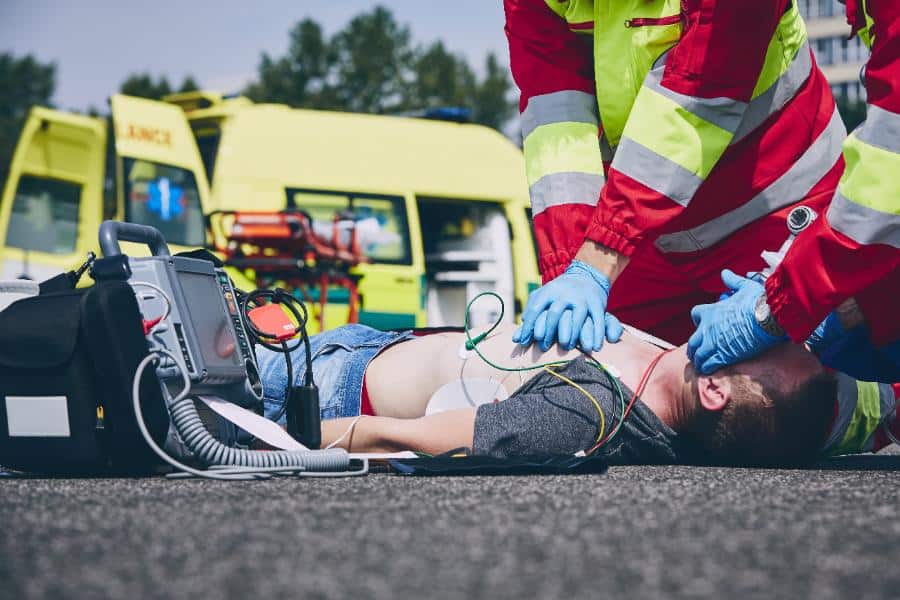
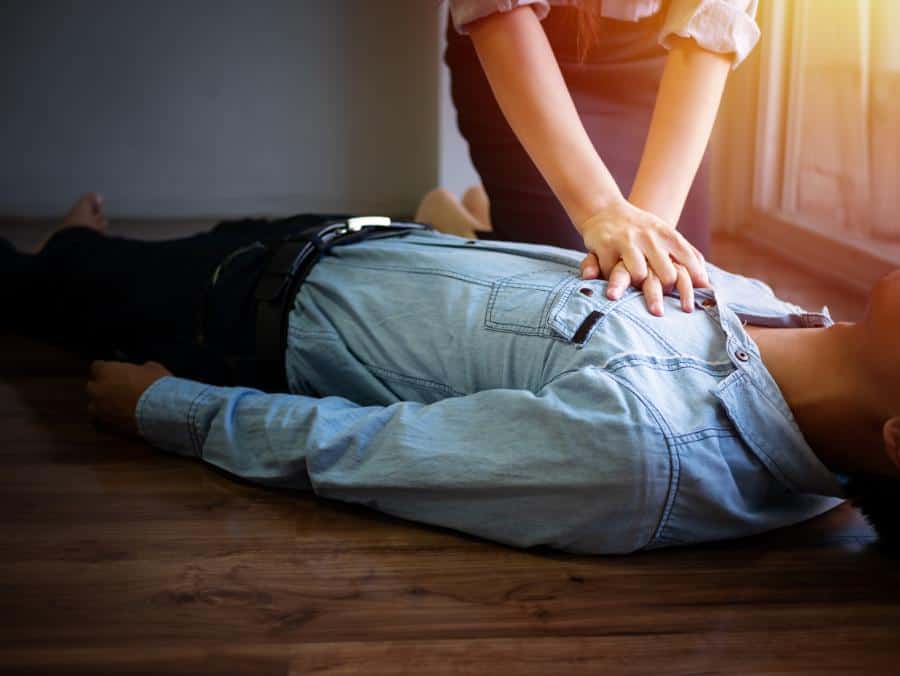
Cardiopulmonary resuscitation (CPR) courses are designed to teach individuals how to respond to cardiac emergencies effectively. These courses vary in scope, duration, and certification, making it crucial to understand what each offers. By selecting the appropriate course, you ensure that the skills you acquire are relevant and applicable.
Keep your credentials current with our CPR and first aid renewal programs, designed for quick, hassle-free recertification.
Identify Your Needs
Before enrolling in a CPR course, consider why you want to learn CPR. Are you a healthcare professional needing certification, a parent wanting to protect your family, or a workplace safety officer? Your specific needs will determine the type of course and certification required. Identifying your goals helps narrow down the options and ensures you receive relevant training.
Find a trusted first aid CPR course near me and gain hands-on practice that builds real-world confidence.
Research Accredited Providers
When choosing a CPR course, it’s essential to select one from an accredited provider. Organizations like the American Heart Association (AHA) and the Red Cross offer reputable courses that adhere to industry standards. These courses provide comprehensive training and are recognized by employers and institutions worldwide.

Consider the Course Content
Different courses offer varying levels of detail and specialization. Basic CPR courses focus on fundamental techniques for adults, while advanced courses may cover pediatric CPR, first aid, and the use of automated external defibrillators (AEDs). Review the course syllabus to ensure it covers the skills you wish to learn.
Evaluate the Learning Format
CPR courses are available in different formats, including in-person, online, and blended learning. In-person courses offer hands-on practice, which is invaluable for mastering techniques. Online courses provide flexibility and convenience, allowing you to learn at your own pace. Blended courses combine both methods, offering a balanced approach. Choose a format that suits your learning style and schedule.
Check Certification and Renewal Requirements
Certification is often a critical component of CPR training, especially for professionals. Ensure the course you choose provides a valid certification upon completion. Additionally, inquire about the renewal process, as CPR certifications typically require periodic updates to keep your skills current and compliant with the latest guidelines.
Read Reviews and Testimonials
Reviews and testimonials from past participants can provide valuable insights into the quality of a CPR course. Look for feedback on the instructor’s expertise, course content, and overall learning experience. Positive reviews and high ratings indicate a reputable course that meets learner expectations.

Consider the Cost
While cost should not be the sole determining factor, it’s essential to consider your budget when choosing a CPR course. Prices can vary significantly depending on the provider, course level, and format. Compare costs across different options, keeping in mind the value and quality of training provided. Investing in a high-quality course is worthwhile, as the skills you gain could be life-saving.
Schedule and Location
Consider the course schedule and location, especially if you opt for in-person training. Choose a course that fits your availability and is conveniently located. This consideration ensures you can attend all sessions without conflicts, maximizing your learning experience.
Conclusion
Selecting the right CPR course is crucial for acquiring the skills and confidence needed to respond effectively in emergencies. By identifying your needs, researching providers, and evaluating course content, you can make an informed decision. A well-chosen CPR course not only equips you with life-saving skills but also empowers you to make a difference when it matters most.