Cardiopulmonary resuscitation (CPR) is a crucial life-saving technique that everyone should know, not just healthcare professionals. Understanding CPR can mean the difference between life and death in emergency situations. This article delves into why CPR training is vital for non-healthcare workers and how it can empower individuals to act confidently in critical moments.
If you’re searching for CPR first aid certification near me, we offer convenient local classes with experienced instructors.
Understanding CPR: A Vital Skill for Everyone
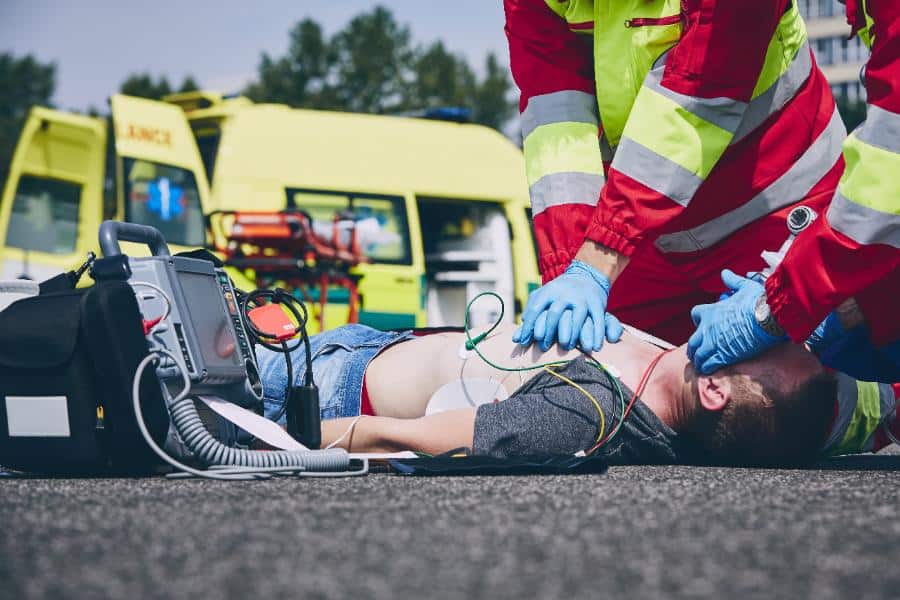
CPR is a procedure that combines chest compressions and artificial ventilation. It is employed to maintain circulatory flow and oxygenation during cardiac arrest. While the technique is often associated with healthcare professionals, its significance extends far beyond the medical field.
Keep your credentials current with our CPR and first aid renewal programs designed for quick and hassle-free recertification.
Why Non-Healthcare Workers Should Learn CPR
Emergencies can occur anywhere, anytime. Whether it’s at home, work, or in public spaces, the ability to perform CPR can save lives. Here are several compelling reasons why non-healthcare workers should become proficient in CPR:
- Immediate Response: In emergencies, every second counts. Having CPR skills enables individuals to provide immediate assistance before emergency services arrive.
- Increased Survival Rates: CPR can double or triple a cardiac arrest victim’s chance of survival, especially if administered in the first few minutes.
- Community Empowerment: Learning CPR fosters a sense of community responsibility and readiness, making public spaces safer for everyone.
Find a trusted first aid CPR course near me and gain hands-on practice that builds real-world confidence.
The Psychological Impact of CPR Training
Beyond the practical benefits, CPR training also has a psychological impact. It builds confidence and reduces anxiety about dealing with medical emergencies. People trained in CPR feel more prepared and less helpless in crisis situations, which can lead to better outcomes for those in need.
Steps to Learn CPR
Learning CPR is accessible to everyone. Many organizations offer certified courses that cover the necessary skills in a few hours. Here’s a simplified guide to what the training typically involves:
-
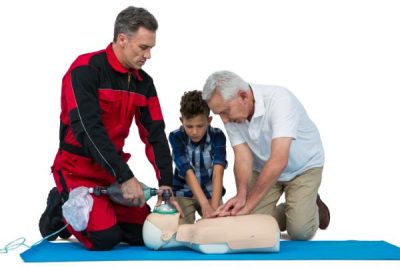
Assessment: Learning to assess the situation and check for responsiveness and breathing.
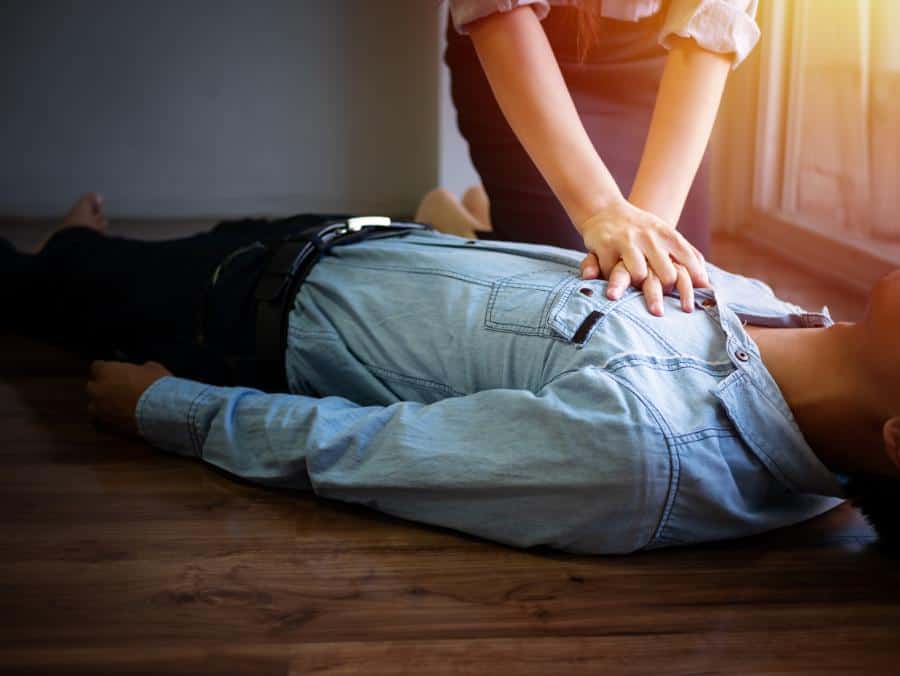
- Compression Techniques: Understanding the correct hand placements, compression depth, and rhythm.
- Ventilation: Mastering mouth-to-mouth resuscitation or using a mask for artificial ventilation.
- Automated External Defibrillator (AED) Use: Training in using AEDs, which are often available in public places.
Overcoming Common Misconceptions
There are several misconceptions about CPR that can deter people from learning it:
- Fear of Causing Harm: Many people worry they might do more harm than good. However, the risk of injury is minimal, and doing something is better than doing nothing.
- Complexity: CPR is perceived as complicated, but basic training simplifies it significantly, making it easy to remember in emergencies.
- Legal Concerns: Good Samaritan laws protect individuals who perform CPR in good faith from legal repercussions.
The Role of Employers in Promoting CPR
Employers can play a pivotal role in promoting CPR training among their workforce. By offering regular CPR workshops and certifications, companies can ensure their employees are prepared to handle emergencies, creating a safer workplace environment. This initiative not only protects employees but also demonstrates a company’s commitment to the well-being of its staff and customers.
Conclusion: A Call to Action
The importance of CPR for non-healthcare workers cannot be overstated. It’s a skill that empowers individuals, enhances public safety, and saves lives. Whether you’re an employer, an employee, or a community member, consider enrolling in a CPR course today. By doing so, you contribute to a safer, more prepared society, ready to respond when it matters most.
Taking the step to learn CPR is not just about acquiring a skill; it’s about embracing a responsibility that can profoundly impact lives. Let us all strive to be the difference-makers in emergencies, equipped with the knowledge and courage to act swiftly and effectively.