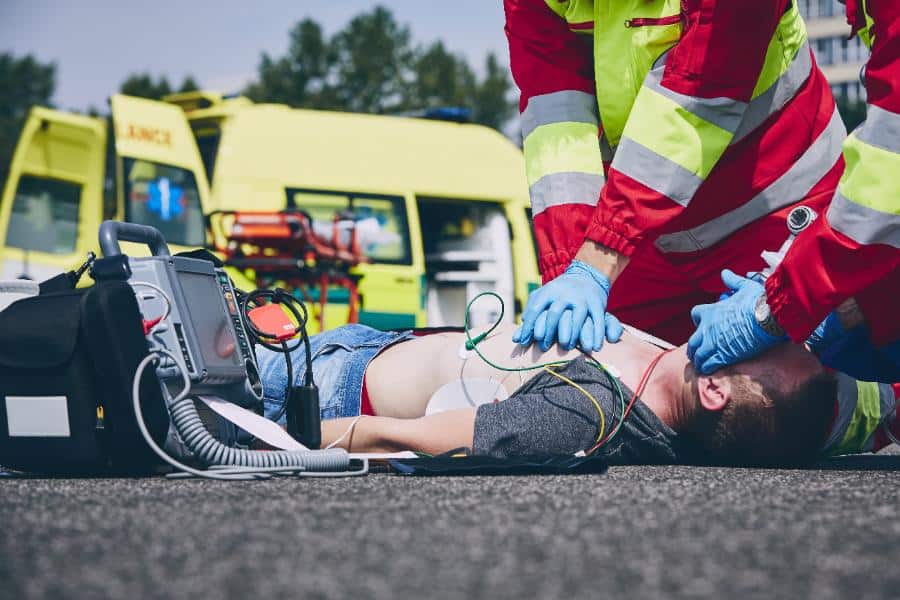
When cardiac arrest strikes, every second counts. Effective CPR chest compressions are crucial for maintaining blood flow and oxygenation until professional medical help arrives. Understanding the proper technique can significantly increase the chances of survival. This article provides valuable tips for performing effective CPR chest compressions, empowering you to act confidently in emergencies.
Complete your AED certification to learn proper defibrillator use and improve survival outcomes in cardiac events.
Understanding the Importance of Chest Compressions
Chest compressions are the cornerstone of CPR, designed to manually pump blood through the heart and keep vital organs supplied with oxygen. The primary goal is to preserve brain function and maintain circulation until advanced care is available. Mastering the technique ensures you provide the most effective aid possible.
Our infant CPR training focuses on choking relief and resuscitation techniques specifically for babies and young children.
Positioning for Success
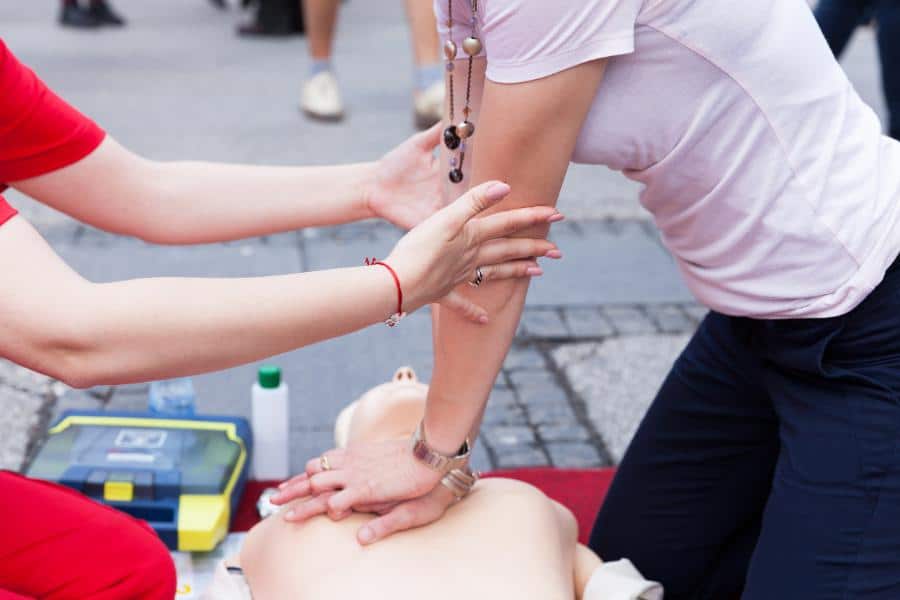
Proper positioning is essential for delivering effective chest compressions. Kneel beside the victim, positioning yourself at shoulder level. Place the heel of one hand on the center of the chest, specifically on the lower half of the sternum. Place your other hand on top, interlocking your fingers and keeping your elbows straight.
Looking for a first aid and CPR course near me? We offer both local classroom sessions and blended learning options.
Finding the Right Depth
Chest compressions should be deep enough to ensure adequate blood flow. Aim for a depth of at least 2 inches (5 cm) for adults, allowing full recoil between compressions. Avoid leaning on the chest, as this prevents the heart from refilling with blood. Remember, proper depth is crucial for effective compressions.
 Maintaining the Correct Rate
The speed of compressions is equally important. Aim for a rate of 100 to 120 compressions per minute. This rhythm is essential for maximizing blood circulation. Using a metronome or humming a song with a similar beat, such as “Stayin’ Alive” by the Bee Gees, can help maintain the correct pace.
Ensuring Full Recoil
Allowing the chest to fully recoil between compressions is vital for effective CPR. Full recoil ensures the heart refills with blood, ready for the next compression. Avoid resting your hands on the chest between compressions to allow complete expansion.
Minimizing Interruptions
Continuous compressions with minimal interruptions are key to effective CPR. Avoid pausing for more than 10 seconds, even when switching rescuers or providing rescue breaths. The longer the pause, the greater the decrease in blood flow, reducing the chances of a successful outcome.
Hands-Only CPR: Simplifying the Process
For untrained bystanders or those hesitant to perform rescue breaths, hands-only CPR is a viable option. Focusing solely on chest compressions simplifies the process and encourages more people to take action. Studies show that hands-only CPR is effective, especially in the first few minutes of cardiac arrest.
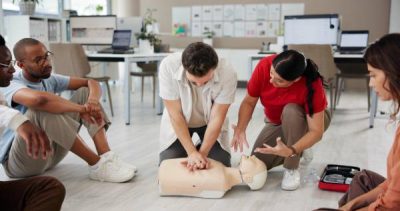 Practice Makes Perfect
Regular practice is essential for mastering CPR chest compressions. Consider enrolling in a CPR certification course that provides hands-on training and feedback. Practicing on manikins helps build muscle memory, ensuring you can perform compressions effectively under pressure.
Staying Informed and Updated
CPR guidelines and recommendations are continually updated based on the latest research. Stay informed by reviewing guidelines from reputable organizations such as the American Heart Association (AHA) or the Red Cross. Keeping your knowledge current ensures you are prepared to provide the best possible care.
Conclusion: Empowering Action Through Knowledge
Effective CPR chest compressions are a life-saving skill that anyone can learn. By understanding the proper technique and practicing regularly, you can make a significant impact in emergencies. Remember, your actions can mean the difference between life and death. Equip yourself with the knowledge and confidence to perform CPR, and be ready to act when it matters most.