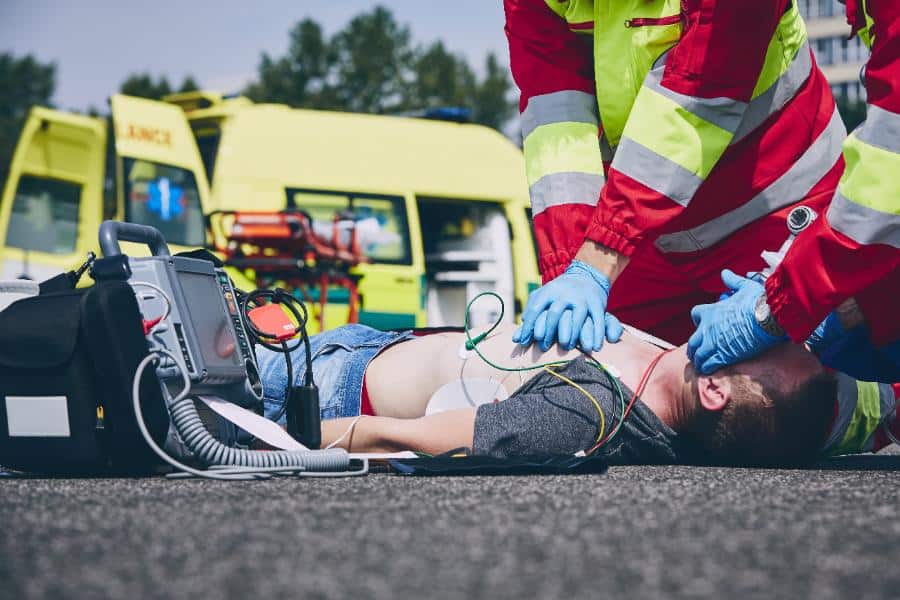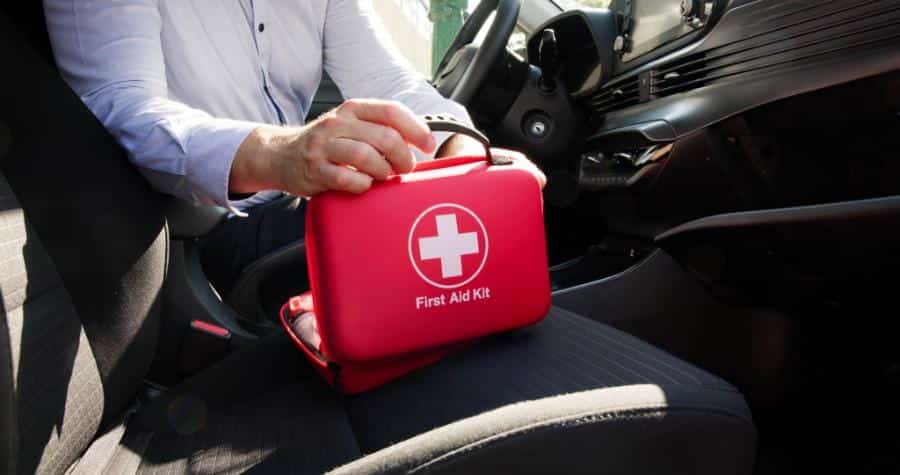

Cardiopulmonary resuscitation (CPR) is a life-saving technique grounded in scientific principles that ensure effective response during cardiac emergencies. Understanding the science behind CPR enhances its application, helping to maximize survival rates. This article delves into the scientific foundation of CPR techniques, offering valuable insights into why and how they work.
Renew your credentials quickly with online cpr recertification, designed for busy professionals who need a flexible option.
The Physiology of Cardiac Arrest
Cardiac arrest occurs when the heart’s electrical system malfunctions, leading to an abrupt loss of heart function. This results in the cessation of blood flow to vital organs, most critically the brain. Immediate intervention is crucial to restore circulation and prevent irreversible damage.
When searching for cpr first aid classes near me, choose our trusted programs for convenient scheduling and expert instruction.
The Role of Chest Compressions
Chest compressions are a cornerstone of CPR, mimicking the heart’s pumping action. By applying rhythmic pressure to the chest, compressions manually circulate blood, delivering oxygen to the brain and other vital organs. The depth and rate of compressions are scientifically calibrated to optimize blood flow, with studies showing that a depth of at least 2 inches and a rate of 100-120 compressions per minute are most effective.
Our 1st aid and cpr training teaches essential lifesaving techniques to help you respond confidently during emergencies.
Understanding Full Recoil
Allowing the chest to fully recoil between compressions is essential for the heart to refill with blood. This full recoil ensures that each compression maximizes blood circulation. Scientific research underscores the importance of avoiding chest leaning, as incomplete recoil reduces the effectiveness of compressions.
The Science of Rescue Breathing
Rescue breaths, or mouth-to-mouth resuscitation, provide oxygen directly to the lungs. While chest compressions circulate blood, rescue breaths replenish the oxygen supply, essential for sustaining life. The recommended ratio of 30 compressions to 2 breaths is intended to optimize oxygen delivery while maintaining circulation.
Hands-Only CPR: A Simplified Approach
For untrained bystanders, hands-only CPR omits rescue breaths, focusing solely on chest compressions. Scientific studies have shown that hands-only CPR can be as effective as traditional CPR in the first few minutes of cardiac arrest. This approach simplifies the technique, encouraging more people to take action without hesitation.
The Impact of Defibrillation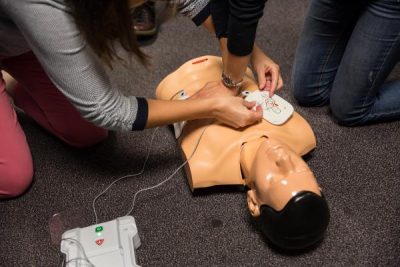
Automated external defibrillators (AEDs) are crucial in restoring a normal heart rhythm during cardiac arrest. AEDs deliver a controlled electric shock to the heart, helping to reset its electrical activity. The integration of AEDs with CPR is supported by scientific evidence showing increased survival rates when defibrillation is performed promptly.
Continuous Research and Guidelines
CPR techniques are continually refined based on the latest scientific research. Organizations like the American Heart Association (AHA) regularly update their guidelines, incorporating new findings to improve effectiveness. Staying informed about these updates ensures that responders are using the most current and effective methods.
Training and Education: Bridging Science and Practice
Comprehensive CPR training programs bridge the gap between scientific theory and practical application. These programs emphasize proper technique, continuous practice, and adherence to guidelines. By understanding the science behind CPR, responders are better equipped to execute techniques with precision and confidence.
Conclusion: The Lifesaving Power of Science
The science behind CPR techniques is a testament to human ingenuity and the relentless pursuit of saving lives. By grounding CPR in scientific principles, we enhance its effectiveness, ensuring that responders can provide the best possible care in emergencies. Embrace the power of science in CPR, and be prepared to make a difference when it matters most. Stay informed, practice regularly, and contribute to a community where knowledge and action come together to save lives.