When we think of disaster preparedness, our minds often drift to images of stockpiled canned goods, flashlights with extra batteries, and sturdy “go-bags” sitting by the door. We prepare for the external threats: the hurricane winds, the shaking earth, or the rising floodwaters. Yet, in the chaos of a natural or man-made disaster, the most immediate threat often isn’t the environment itself—it is the fragility of the human body.
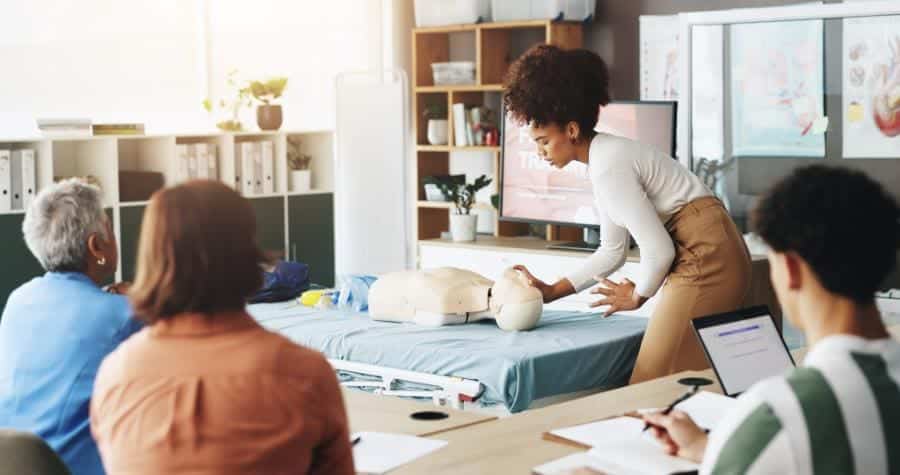
We proudly offer spanish cpr classes to ensure more members of the community can access lifesaving education.
CPR In Disaster Preparedness
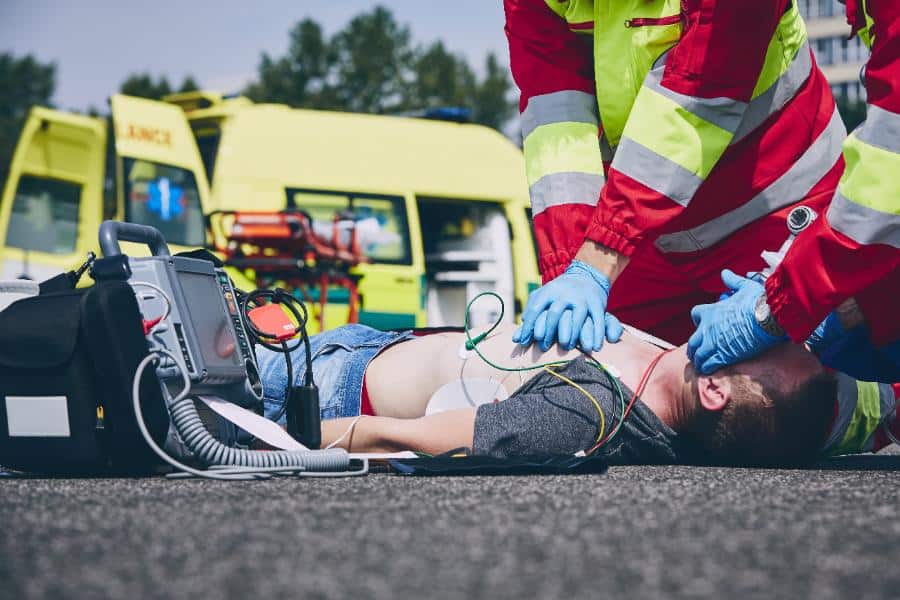
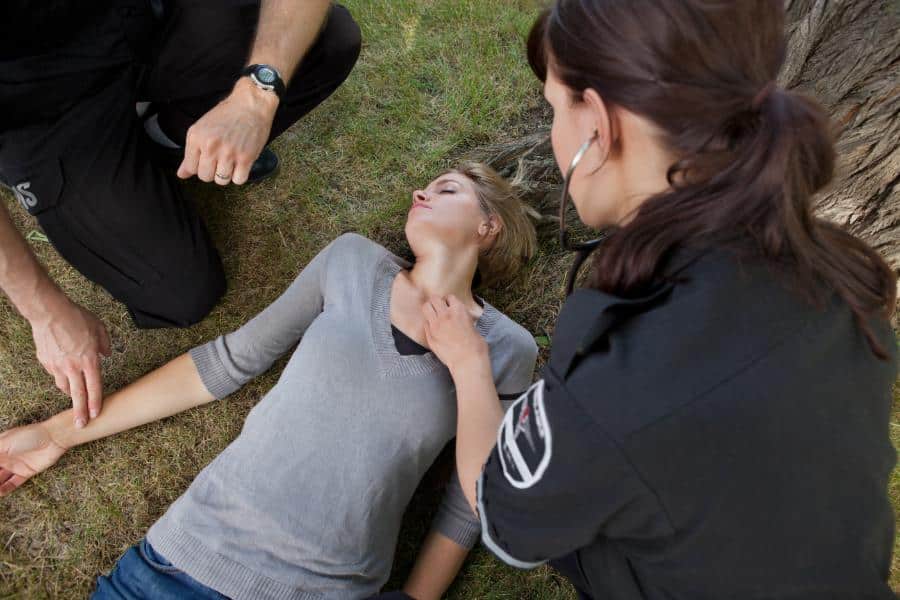
Medical emergencies do not pause for catastrophes; in fact, the stress and physical exertion of a disaster often trigger them. A heart attack during a blizzard, a drowning during a flood, or a sudden collapse in a crowded shelter—these are the crises within the crisis. In these moments, when ambulances are grounded and hospitals are overwhelmed, Cardiopulmonary Resuscitation (CPR) becomes more than a skill; it becomes the only lifeline available. Integrating CPR training into your disaster plan is not just an add-on; it is the cornerstone of true self-reliance.
The Gap Between Crisis and Care
The defining characteristic of any major disaster is the disruption of services. Roads may be blocked by debris, power grids may fail, and communication lines can be severed. In normal times, we rely on the “911 safety net”—the assumption that professional help is just a phone call and eight minutes away. In a disaster, that net is torn. Emergency Medical Services (EMS) will be triaging thousands of calls, unable to reach individual homes for hours or even days.
This “care gap” is where CPR training proves its worth. If a family member suffers a cardiac arrest while you are trapped in your home by a storm, you are the paramedic. You are the first, second, and last responder. Understanding this reality shifts the mindset of preparedness from passive survival (waiting for help) to active resilience (being the help). It empowers you to hold the line against death until the world starts turning again.
Stress: The Silent Trigger in Disasters
Disasters are high-stress environments. The adrenaline of evacuation, the physical labor of clearing debris, and the emotional shock of loss create a perfect storm for cardiovascular events. Studies have shown that heart attack rates can spike significantly in the days following major earthquakes or hurricanes. The very people you are trying to protect—your aging parents, your spouse, or neighbors with pre-existing conditions—are at their most vulnerable exactly when professional help is least accessible.
Knowing CPR allows you to respond to this physiological fallout. It gives you a tool to combat the sudden electrical failure of a heart pushed too far by stress. Instead of standing helpless while a loved one collapses amidst the wreckage, you have a protocol to follow. You can take action that bridges the gap between the onset of the attack and the eventual arrival of medical aid.
CPR as a Community Asset
Disaster preparedness is rarely a solo endeavor; it is a community effort. When a neighborhood is cut off, residents must rely on each other. A person trained in CPR becomes a high-value asset to their block. You become a leader, a source of calm capability in a sea of panic. Your skills can save a neighbor who has suffered an electric shock from a downed power line or a child who has inhaled water during a flood.
Encouraging your neighbors to get trained creates a “herd immunity” against preventable death. If five people on your street know CPR, the chances of someone surviving a cardiac event increase exponentially. It builds a localized response team that can function independently of the overwhelmed municipal system, strengthening the resilience of the entire community.
The Importance of AEDs in Your Survival Kit
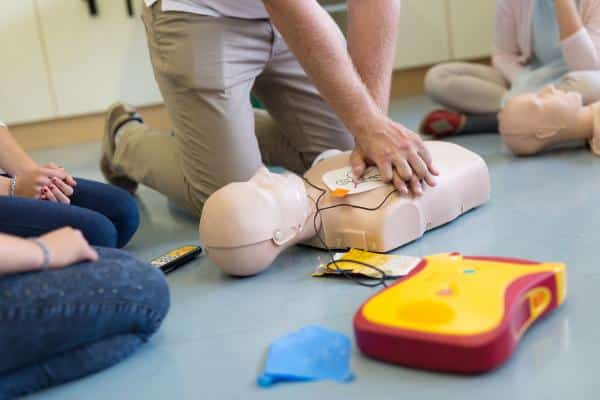
While manual chest compressions are vital, they are often a holding action. The definitive treatment for sudden cardiac arrest is defibrillation. In the context of disaster preparedness, this highlights the value of having an Automated External Defibrillator (AED) as part of your emergency supplies, especially for large groups, shelters, or remote communities. Modern AEDs are battery-operated, portable, and designed for laypeople.
Including an AED in a community disaster cache or a workplace emergency kit ensures that you have the “reset button” the heart needs. Just as you wouldn’t want to face a power outage without a generator, you shouldn’t want to face a cardiac emergency without the technology to fix it. It completes the chain of survival even when the hospital is out of reach.
Training for the Improvisational Reality
Finally, disaster-focused CPR training teaches you to adapt. Standard classes teach you to perform CPR on a flat, hard floor in a well-lit room. A disaster might demand you perform CPR in the back of a moving truck, on a muddy hillside, or in pitch darkness. It forces you to think about logistics: How do I rotate rescuers when we are all exhausted and dehydrated? How do I keep the victim warm when the power is out?
This mindset of adaptability is the essence of survival. By learning the principles of resuscitation, you gain the confidence to apply them in imperfect conditions. You learn that doing something—even imperfectly—is infinitely better than surrendering to the chaos. In the end, CPR is the ultimate preparation because it preserves the one thing that matters most: life itself.