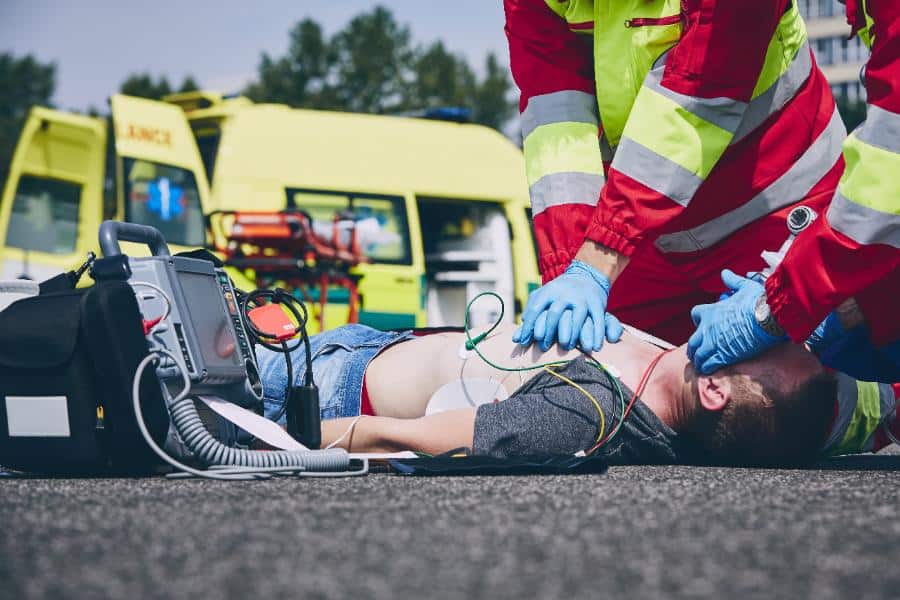
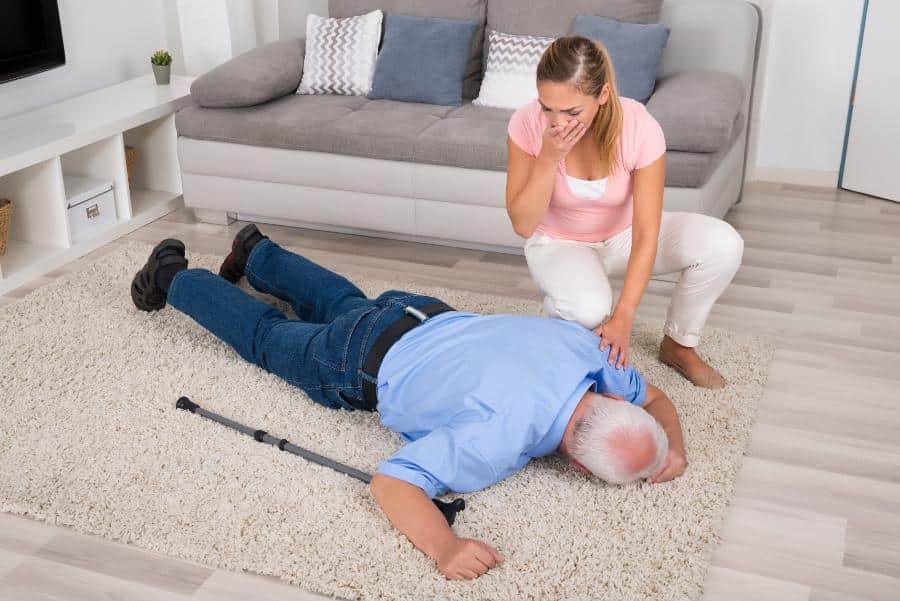
In the split second that a person collapses, a bystander faces a flood of adrenaline and a singular, terrifying choice: to act or to freeze. While the moral imperative to save a life is powerful, it is often shadowed by a nagging fear that lives in the back of our minds—the fear of a lawsuit. “What if I break a rib?” “What if I do it wrong?” “What if they don’t survive, and the family blames me?” These questions are not just whispers of anxiety; they are valid concerns in a litigious society.
Upgrade your emergency preparedness today and buy aed devices directly through our trusted equipment options.
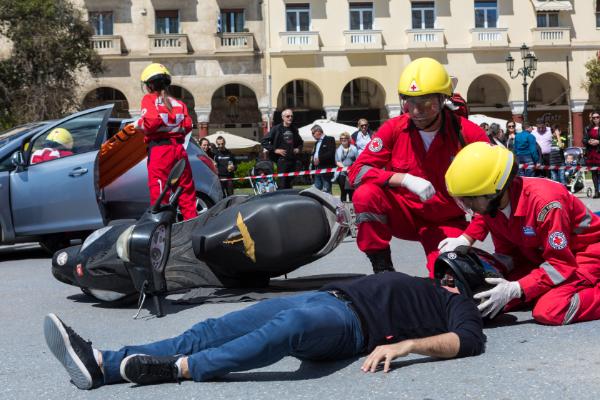
However, the legal reality of performing Cardiopulmonary Resuscitation (CPR) is far more protective than most people realize. The law, in its wisdom, generally prioritizes the preservation of life above the perfection of technique. Understanding the legal framework that surrounds emergency aid can strip away the hesitation that costs lives. It empowers you to step forward with confidence, knowing that society and the courts have built a shield around the Good Samaritan.
Our cpr national programs meet industry standards and are accepted by employers across the country.
The Shield of the Good Samaritan Laws
The cornerstone of legal protection for bystanders is a set of statutes known as Good Samaritan laws. These laws exist in all 50 states of the U.S. and in many countries around the world. Their purpose is simple yet profound: to encourage bystanders to help those in peril by granting them immunity from civil liability.
Learn how to respond to child emergencies with our specialized pediatric cpr training for parents, teachers, and caregivers.
Essentially, these laws state that if you act in good faith, without expectation of payment, and within the scope of your knowledge, you cannot be successfully sued for unintentional injury or death. The law recognizes that a cracked rib is a small price to pay for a beating heart. It understands that in a crisis, perfection is the enemy of the good. As long as you are not grossly negligent—meaning you aren’t acting with reckless disregard for human life or trying to perform surgery with a pocketknife—the Good Samaritan shield stands firmly between you and the courtroom.
The Concept of “Implied Consent”
One of the first things taught in any first aid class is to ask for permission before touching a victim. “Hello, I’m trained in CPR. Can I help you?” But what happens when the victim is unconscious, unable to speak or nod? This is where the legal doctrine of “implied consent” steps in.
The law presumes that any reasonable person who is unconscious, unresponsive, or suffering from a life-threatening emergency would want to be saved. You do not need a signature or a verbal “yes” to begin chest compressions on someone who has collapsed. In the eyes of the law, their silence is a scream for help. This doctrine allows you to act immediately without fear of being charged with battery or unwanted touching.
Duty to Act: Who Must Help?
For the average citizen, there is generally no legal “duty to act.” If you see a car accident or a person collapse in a park, you are not legally required to intervene in most jurisdictions (though the moral argument is a different story). You can walk away without facing criminal charges. The law protects your autonomy.
However, this changes if you have a pre-existing relationship with the victim. Parents have a duty to act for their children. Teachers have a duty to their students. Healthcare professionals, police officers, and firefighters often have a duty to act while on the clock. Once you do choose to intervene, however, a duty of care attaches. You generally cannot abandon the victim until you are too exhausted to continue, the scene becomes unsafe, or a person of equal or higher training takes over.
Gross Negligence: The Exception to the Rule
While Good Samaritan laws are robust, they are not a blank check for recklessness. Protection is usually voided in cases of “gross negligence” or “willful misconduct.” This means acting in a way that is wildly outside the bounds of common sense or training.
For example, if a bystander decides to try a medical procedure they saw on a TV drama rather than performing standard chest compressions, or if they are intoxicated and cause harm through clumsiness, they might lose their immunity. The law protects the well-intentioned rescuer, not the reckless adventurer. Sticking to the basics—calling 911 and pushing hard and fast on the center of the chest—keeps you safely within the harbor of legal protection.
The Reality of Lawsuits
It is important to distinguish between the possibility of being sued and the probability of losing. In the United States, anyone can file a lawsuit for almost anything. However, successful lawsuits against laypeople who performed CPR are vanishingly rare. The courts consistently rule in favor of the rescuer because public policy demands it. Punishing someone for trying to save a life would have a chilling effect on society, leading to more preventable deaths.
Furthermore, the alternative to CPR is death. A victim of sudden cardiac arrest is clinically dead. You cannot make their condition worse. A defense attorney would have a very hard time arguing that your CPR caused “damages” to a corpse. The only direction you can take a cardiac arrest victim is up.
Documentation: Your Final Defense
If you are ever involved in a rescue, it is wise to write down what happened as soon as the adrenaline fades. Document the time you found the person, the condition they were in, the actions you took, and who you handed care over to. This contemporaneous record can be invaluable if questions ever arise months or years later. It serves as a concrete memory in a situation that is often blurry, helping to establish that you acted reasonably, responsibly, and heroically.