Travel is an act of exploration, a chance to step outside the familiar and immerse ourselves in the new. We dream of hiking remote Andean trails, navigating the bustling markets of Marrakech, or simply relaxing on a secluded beach in Thailand. However, the very isolation and novelty that make travel so intoxicating also carry a hidden risk. When you leave home, you leave behind your safety net. You step away from your trusted doctor, your local hospital, and the 911 system you have known since childhood.
If you need flexible training from home, our online cpr and first aid program lets you learn lifesaving skills at your own pace.
CPR And First Aid For Travelers
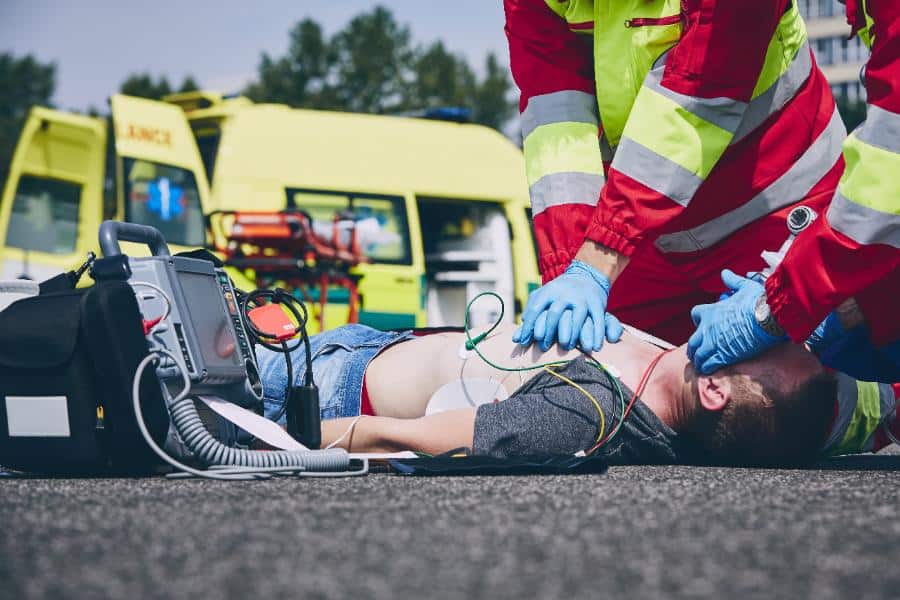
In these moments of adventure, you become your own first responder. Whether it is a severe allergic reaction to an exotic dish, a cardiac event on a long-haul flight, or a sprained ankle on a mountain pass, medical emergencies do not take vacations. Equipping yourself with CPR and first aid training is not just a precaution; it is the ultimate travel insurance. It ensures that no matter how far you roam, you carry the power to protect yourself and your companions in your own two hands.
The Reality of Medical Care Abroad: Why You Can’t Just “Wait for Help”
In the United States or Europe, we are accustomed to a “platinum standard” of emergency response. We expect an ambulance within eight to ten minutes. But in many parts of the world, this infrastructure simply does not exist. In rural areas of developing nations, the nearest clinic might be hours away by dirt road. Even in major cities, traffic congestion can turn a short ambulance ride into a fatal delay.
Furthermore, language barriers can turn a manageable crisis into a terrifying ordeal. Imagine trying to explain “chest pain” or “anaphylaxis” to a dispatcher who does not speak your language. In these gaps—between the onset of an emergency and the arrival of professional help—CPR and first aid skills bridge the chasm. Knowing how to stop a bleed, stabilize a fracture, or perform chest compressions allows you to buy the most valuable currency on earth: time.
The “Economy Class Syndrome” and In-Flight Emergencies
The journey itself poses unique physiological risks. Long-haul flights, with their cramped seating and dry, pressurized air, are breeding grounds for Deep Vein Thrombosis (DVT), often called “economy class syndrome.” If a blood clot breaks free and travels to the lungs, it becomes a life-threatening pulmonary embolism. Cardiac arrests also occur with alarming frequency at 30,000 feet, where the only medical help available is a flight attendant and a fellow passenger.
If you are that trained passenger, you become the difference between life and death. Knowing how to use the plane’s onboard AED (Automated External Defibrillator) or perform effective compressions in a narrow aisle isn’t just a theoretical skill; it is a vital contribution to the safety of everyone on board.
Navigating “Adventure” Risks: Altitude and Injury
We often push our bodies harder on vacation than we do at home. We climb higher, dive deeper, and eat stranger foods. This exposes us to specific travel-related ailments like altitude sickness, heat stroke, and food poisoning. A first aid course teaches you to recognize the early signs of these conditions before they become critical. It teaches you that the headache at 10,000 feet isn’t just dehydration—it could be cerebral edema.
Understanding how to treat a jellyfish sting, how to splint a broken wrist from a scooter accident, or how to rehydrate someone suffering from severe dysentery empowers you to manage the situation calmly. It transforms panic into a plan.
Building the Ultimate Travel First Aid Kit
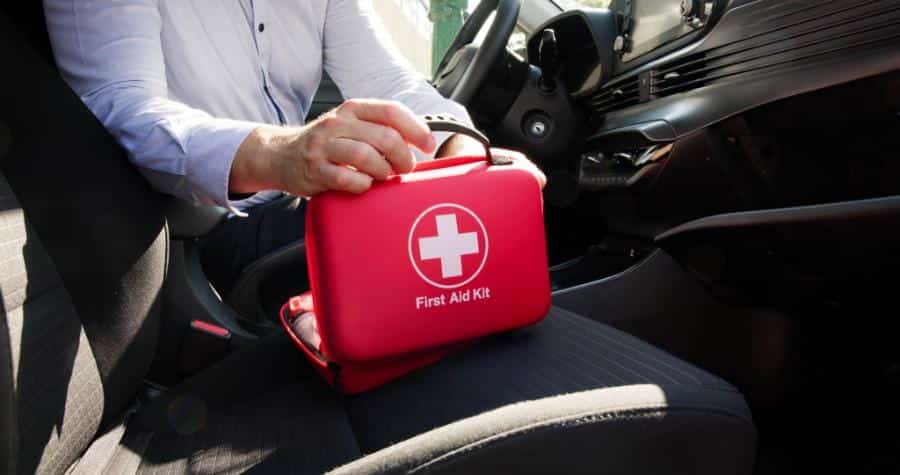
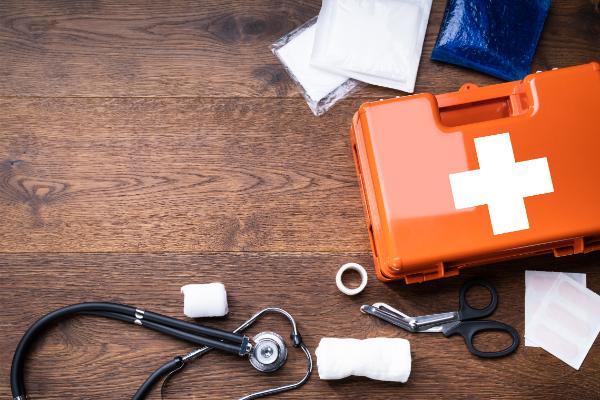
Training also teaches you what to pack. A generic, store-bought kit is rarely sufficient for international travel. Your knowledge will guide you to curate a “smart kit” tailored to your destination. You will know to pack moleskin for blisters if you are hiking, oral rehydration salts if you are in the tropics, and antihistamines if you have food allergies.
More importantly, you will know how to use these items. A tourniquet is useless if you don’t know how to apply it. A packet of clotting gauze is just trash if you don’t know how to pack a wound. Your training transforms these objects from luggage into life-saving tools.
The Confidence to Explore Further
Ultimately, the greatest benefit of CPR and first aid training is psychological. It removes the subtle, nagging fear of “what if.” When you know you can handle a crisis, you feel more comfortable venturing off the beaten path. You can take that boat trip to the isolated island or hike that extra mile into the canyon with confidence.
This self-reliance is the mark of a seasoned traveler. It shows a respect for the environments you visit and a commitment to the safety of the people you meet. By carrying these skills in your backpack, you ensure that your adventures remain stories of triumph, not tragedy.