
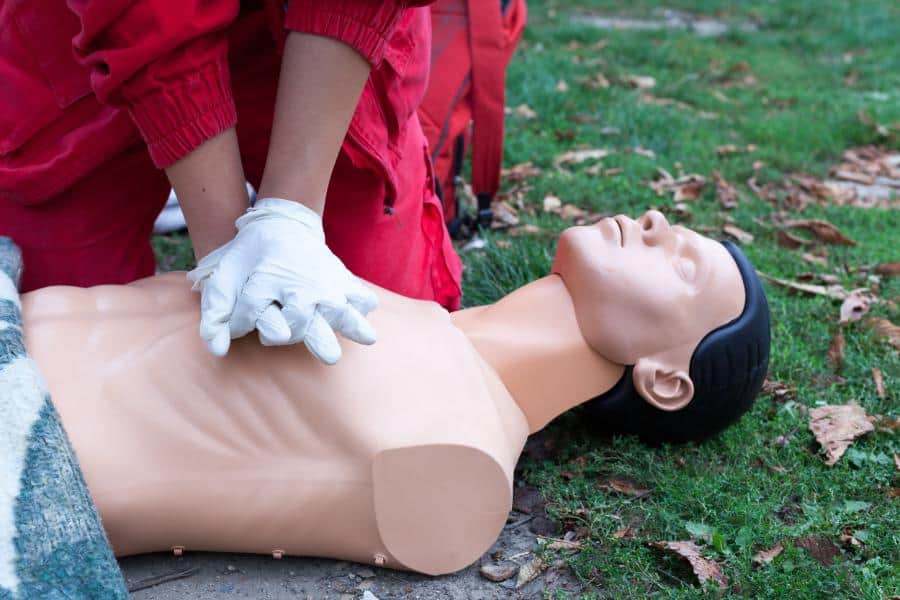
Cardiopulmonary resuscitation (CPR) is a life-saving technique that has evolved significantly over the years. From its rudimentary beginnings to the refined methods used today, CPR has a rich history marked by scientific advancement and human ingenuity. This article delves into the fascinating development of CPR, highlighting its origins, evolution, and current practices.
Earn your cpr certification online with an easy-to-follow program that allows you to train at your own pace.
Early Beginnings of Resuscitation
The concept of resuscitation dates back centuries, with early attempts recorded in ancient texts. These rudimentary methods often included techniques like blowing air into a victim’s mouth or administering physical stimulation to revive the seemingly lifeless. While these early efforts were largely experimental and lacked scientific backing, they laid the groundwork for future developments in life-saving techniques.
Healthcare professionals can enroll in BLS certification courses that meet industry standards and employer requirements.
Pioneering Efforts in the 18th Century
The 18th century saw significant advancements in resuscitation methods. In 1740, the Paris Academy of Sciences recommended mouth-to-mouth resuscitation for drowning victims, marking one of the earliest formal endorsements of a life-saving technique. Around the same time, the Society for the Recovery of Drowned Persons was established in Amsterdam, further promoting the study and application of resuscitation methods.
Sign up for BLS classes Phoenix to receive hands-on skills practice and nationally recognized certification close to home.

In the 19th century, the understanding of cardiac function and circulation led to the introduction of chest compressions. Dr. Friedrich Maass performed the first documented chest compression in 1891, laying the foundation for modern CPR. This technique aimed to manually stimulate the heart and restore blood flow, a concept that would become central to CPR in the years to come.
Modern CPR Takes Shape
The mid-20th century marked a turning point in the history of CPR. In 1956, Dr. James Elam and Dr. Peter Safar demonstrated the effectiveness of mouth-to-mouth resuscitation, which soon became a standard practice. Their work emphasized the importance of providing oxygen to the lungs, a crucial component of effective resuscitation.
Integration of CPR Techniques
In 1960, Dr. Kouwenhoven, Dr. Jude, and Dr. Knickerbocker at Johns Hopkins University combined chest compressions with mouth-to-mouth resuscitation, creating the CPR technique we recognize today. This method proved highly effective in maintaining circulation and oxygenation, significantly improving survival rates for cardiac arrest victims.
Standardization and Training
As CPR techniques became more refined, the need for standardized training and guidelines emerged. In 1963, the American Heart Association (AHA) hosted the first conference on CPR, leading to the development of formalized training programs. These programs aimed to equip both medical professionals and laypersons with the skills needed to perform CPR confidently and effectively.
Advancements in CPR Technology

The late 20th and early 21st centuries have seen remarkable technological advancements in CPR. Automated external defibrillators (AEDs) have become widely available, providing critical support in restoring heart rhythm during cardiac arrest. Additionally, the integration of technology in CPR training, such as virtual simulations and feedback devices, has enhanced learning and skill retention.
Current Guidelines and Practices
Today, CPR guidelines continue to evolve based on ongoing research and clinical studies. The emphasis on hands-only CPR for untrained bystanders has simplified the technique, encouraging more people to take action during emergencies. The focus on uninterrupted chest compressions has been shown to improve outcomes, underscoring the importance of maintaining blood flow to vital organs.
Conclusion: A Legacy of Saving Lives
The history of CPR is a testament to human innovation and the relentless pursuit of saving lives. From its early beginnings to the sophisticated methods used today, CPR has undergone significant transformation, driven by scientific research and practical application. Understanding its history not only highlights the progress made but also underscores the importance of continued education and training. As CPR techniques continue to evolve, one thing remains constant: the profound impact of this life-saving practice on individuals and communities worldwide.