First aid practices have undergone significant transformations over the centuries, evolving from rudimentary techniques to sophisticated, evidence-based procedures. This evolution reflects advancements in medical knowledge and technology, enhancing our ability to provide immediate care in emergencies. This article explores the fascinating journey of first aid practices, highlighting key milestones and innovations that have shaped modern first aid.
Join our instructor-led cpr and first aid classes phoenix to gain practical, real-world lifesaving skills.
Early Origins of First Aid
The concept of first aid dates back to ancient civilizations, where basic methods were used to treat wounds and injuries. Ancient Egyptians, Greeks, and Romans practiced early forms of first aid, utilizing natural remedies and simple techniques. These early practices laid the groundwork for more structured approaches to emergency care.
Our comprehensive cpr and first aid training prepares individuals, families, and businesses to respond effectively in emergencies.
Medieval and Renaissance Developments
During the medieval period, first aid practices were influenced by religious and military contexts. Monasteries and knightly orders provided care on battlefields, using tourniquets and basic dressings. The Renaissance period saw a surge in medical knowledge, with pioneers like Paracelsus advocating for scientific approaches to treatment, paving the way for more systematic first aid techniques.
If you prefer learning at home, our fully accredited cpr online options make certification simple and accessible.
The Birth of Modern First Aid
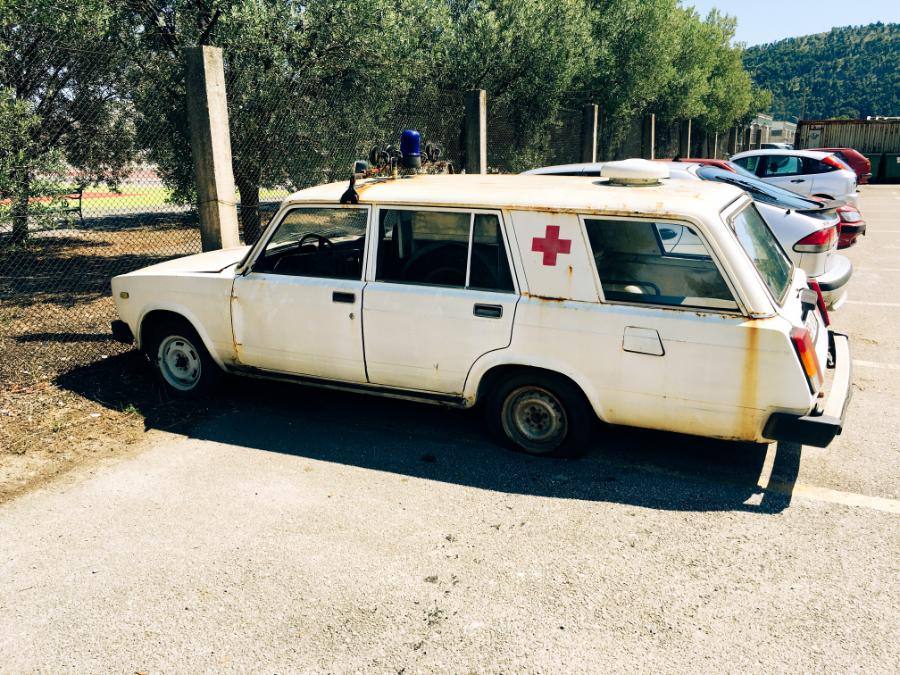
The modern concept of first aid emerged in the late 19th century. The establishment of the Red Cross in 1863 marked a significant milestone, promoting the idea of trained volunteers providing care during emergencies. In 1870, the first aid movement gained further momentum with the formation of St. John Ambulance, which standardized training and expanded public access to first aid education.
20th Century Innovations
The 20th century witnessed rapid advancements in first aid practices, driven by technological progress and wartime experiences. During World War I and II, battlefield medicine evolved, introducing techniques such as triage and advanced wound care. These innovations were adapted for civilian use, enhancing the effectiveness of first aid responses.
The Introduction of CPR
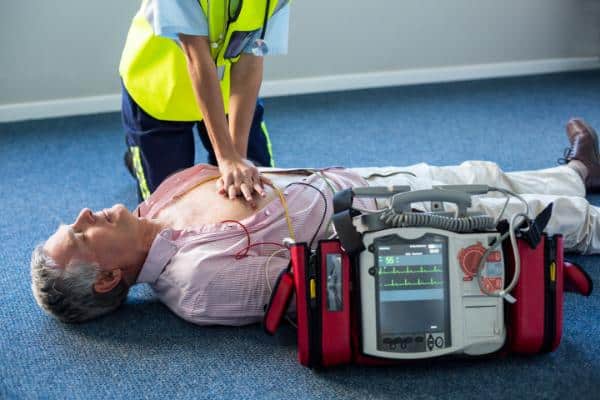
One of the most significant advancements in first aid was the development of cardiopulmonary resuscitation (CPR) in the 1960s. This life-saving technique revolutionized emergency response, providing a method to maintain circulation and breathing in cardiac arrest victims. The widespread adoption of CPR training has empowered countless individuals to save lives.
The Role of Technology in First Aid
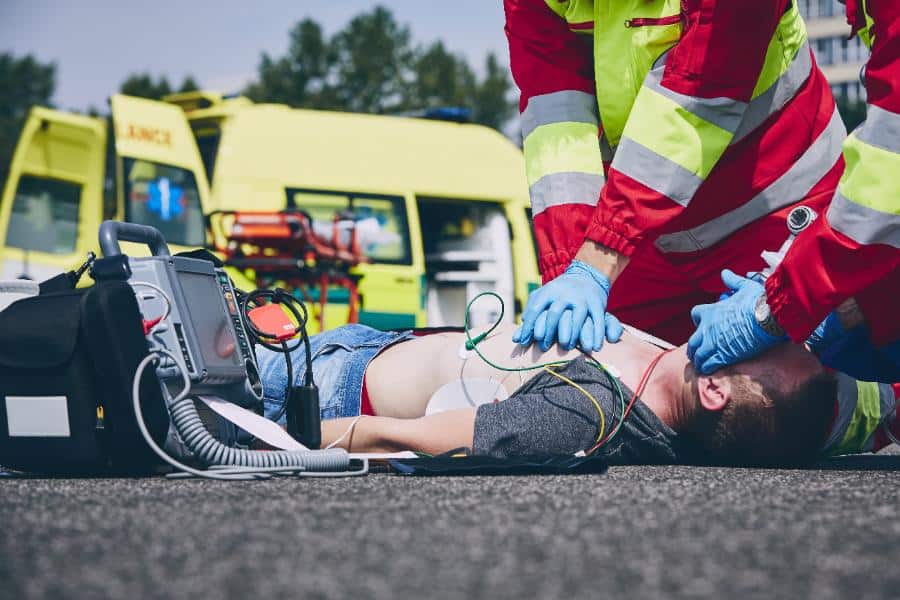
Recent decades have seen the integration of technology into first aid practices. Automated external defibrillators (AEDs) have become commonplace, offering a user-friendly solution for treating sudden cardiac arrest. Mobile apps and online resources provide instant access to first aid instructions, enhancing public knowledge and readiness.
Current Trends in First Aid
Today, first aid practices continue to evolve, with an emphasis on evidence-based techniques and accessibility. Training programs have become more inclusive, accommodating individuals with disabilities and diverse learning needs. The focus on mental health first aid has also gained prominence, addressing the psychological aspects of emergency response.
Emphasizing Education and Training
Education remains a cornerstone of effective first aid practices. Organizations worldwide advocate for comprehensive training programs that equip individuals with the skills and confidence to respond to emergencies. Regular updates and refresher courses ensure that first aid knowledge remains current and effective.
Conclusion: The Legacy and Future of First Aid
The evolution of first aid practices reflects humanity’s enduring commitment to saving lives and alleviating suffering. From ancient remedies to modern techniques, first aid has continually adapted to meet the needs of changing societies. As we look to the future, ongoing research and innovation promise to further enhance our ability to provide immediate care. By embracing the legacy of first aid and prioritizing education, we can continue to build a safer, more prepared world for generations to come.