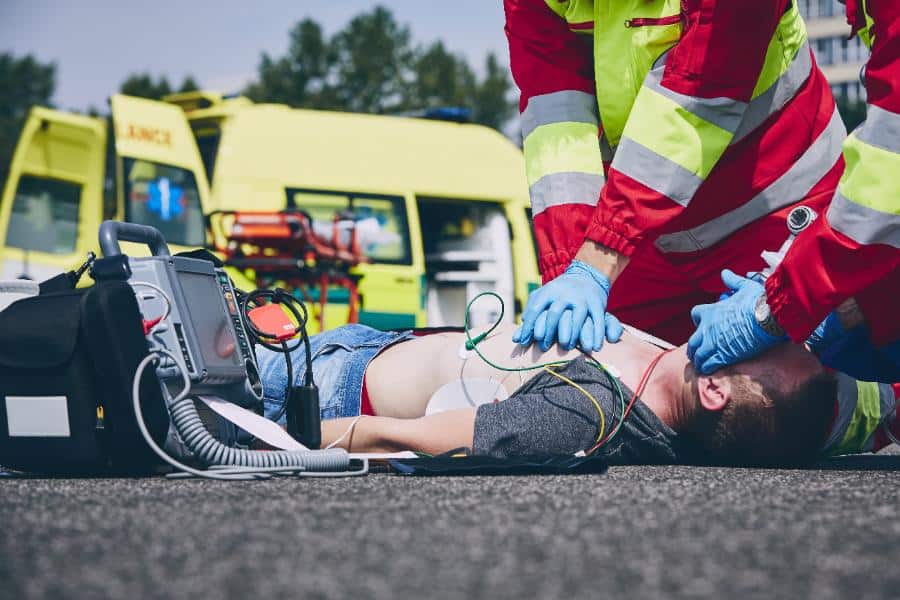
The movies often end the scene right after the heart starts beating again. The ambulance doors close, the siren fades into the distance, and the credits roll. But in real life, the survival of a cardiac arrest is not an ending; it is the beginning of a long, often confusing, and emotionally turbulent chapter. A CPR event is a seismic shock that reverberates through the lives of everyone involved—the survivor, the rescuer, and the family members standing on the sidelines. It leaves invisible scars that can take far longer to heal than broken ribs or bruised chests.
Upgrade your emergency preparedness today and buy aed devices directly through our trusted equipment options.
Supporting someone after a CPR event requires more than just bringing casseroles or driving them to cardiology appointments. It requires a deep understanding of the unique psychological and physical landscape they are traversing. Whether you are supporting a survivor grappling with their “second chance” or comforting a rescuer haunted by the crunch of chest compressions, your role is pivotal. This guide illuminates the path forward, offering descriptive, actionable ways to provide the empathy and stability they desperately need.
Our cpr national programs meet industry standards and are accepted by employers across the country.
Navigating the Survivor’s Journey: The “New Normal”
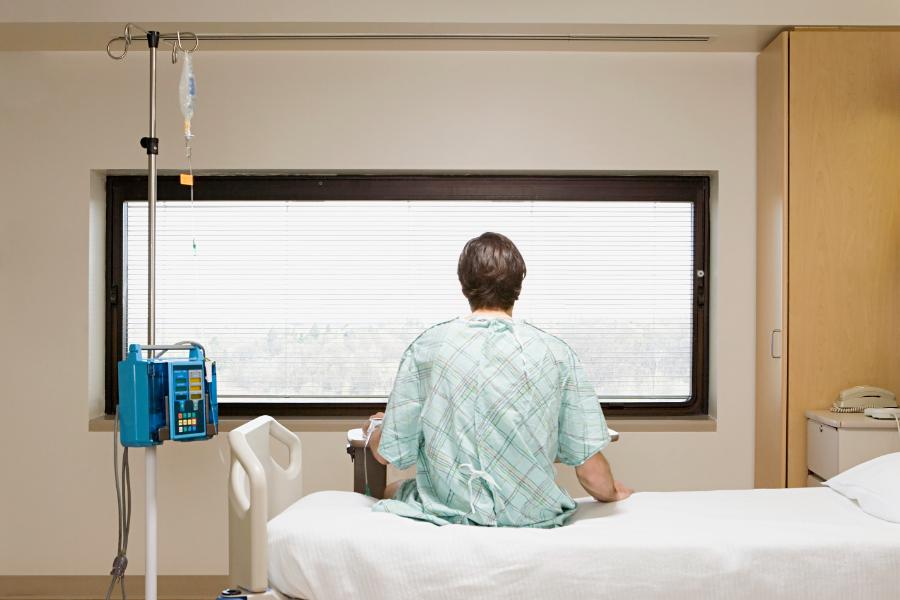
For the person who survived, waking up is often disorienting. They may have lost days or weeks of memory. One moment they were at dinner, and the next they are in an ICU bed surrounded by machines. This gap in time can be terrifying. Physically, they are often exhausted, their chest is sore from the violence of life-saving compressions, and their brain may feel foggy as it recovers from the lack of oxygen.
Learn how to respond to child emergencies with our specialized pediatric cpr training for parents, teachers, and caregivers.

But the emotional toll is often heavier. Many survivors experience a profound loss of trust in their own bodies. They live with the constant, nagging fear that their heart could stop again at any moment. This “Damocles sword” hanging over their head can lead to severe anxiety, depression, and even Post-Traumatic Stress Disorder (PTSD). Supporting them means validating these fears, not dismissing them with toxic positivity like “just be glad you’re alive.”
Patience with Cognitive Changes
It is common for survivors to experience “brain fog,” short-term memory loss, or difficulty concentrating in the weeks or months following the event. This is often a result of the temporary oxygen deprivation during the arrest. To them, it feels frustrating and frightening, as if they are losing their sharpness.
As a supporter, your greatest tool is patience. If they repeat a story they told you ten minutes ago, listen as if it’s the first time. If they struggle to find a word, wait quietly rather than rushing to fill the silence. Help them organize their life with simple tools—calendars, pill organizers, and written reminders. Reassure them that this is a normal part of the healing process and not a sign of permanent decline.
Holding Space for the “Why Me?”
Survivors often wrestle with existential questions. “Why did I survive when others don’t?” “What is my purpose now?” This survivor’s guilt can be paralyzing. They may feel a heavy pressure to do something “extraordinary” with their second chance, which leads to stress and feelings of inadequacy.
Create a safe harbor for these conversations. Let them talk about their guilt without trying to fix it. Remind them that their only job right now is to heal, and that simply existing is “extraordinary” enough. Sometimes, the best support is sitting in silence, holding their hand, and letting them know they don’t have to figure out the meaning of life today.
Supporting the Lay Rescuer: The Hidden Trauma
We often call the person who performed CPR a “hero,” but they rarely feel like one. Whether it was a stranger, a colleague, or a spouse, the rescuer carries a heavy burden. They have seen death up close. They remember the sound of ribs cracking, the feeling of lifelessness, and the sheer panic of the moment. These sensory memories can return as flashbacks or nightmares.
Rescuers frequently suffer from “rescuer’s guilt,” wondering if they did enough, if they pushed hard enough, or if they acted fast enough—even if the outcome was positive. Support them by acknowledging the trauma of the act itself. Avoid constantly calling them a hero if it seems to make them uncomfortable; instead, validate that what they went through was scary and traumatic.
Recognizing the “Co-Survivor”
Family members and close friends are often referred to as “co-survivors.” They are the ones who witnessed the collapse, called 911, and waited in the agonizing uncertainty of the hospital waiting room. Their trauma is valid and real. They may become hyper-vigilant, watching the survivor sleep to ensure they are still breathing, or feeling terrified to leave the house.
If you are supporting a co-survivor, encourage them to take breaks. They cannot pour from an empty cup. Offer to sit with the survivor for an afternoon so the partner can go for a walk, get a coffee, or simply nap without one eye open. Remind them that their mental health is a pillar of the survivor’s recovery.
Connecting with Professional Resources
Love and patience are essential, but they are not always enough. The complex emotions following a cardiac event often require professional navigation. Encourage the use of therapy, specifically with counselors who specialize in medical trauma. Support groups can also be life-changing.
Organizations like the Sudden Cardiac Arrest Foundation or local hospital support groups connect survivors and families with others who have walked the same path. Knowing they are not alone—that their nightmares, memory lapses, and fears are shared by others—is often the most powerful medicine of all.