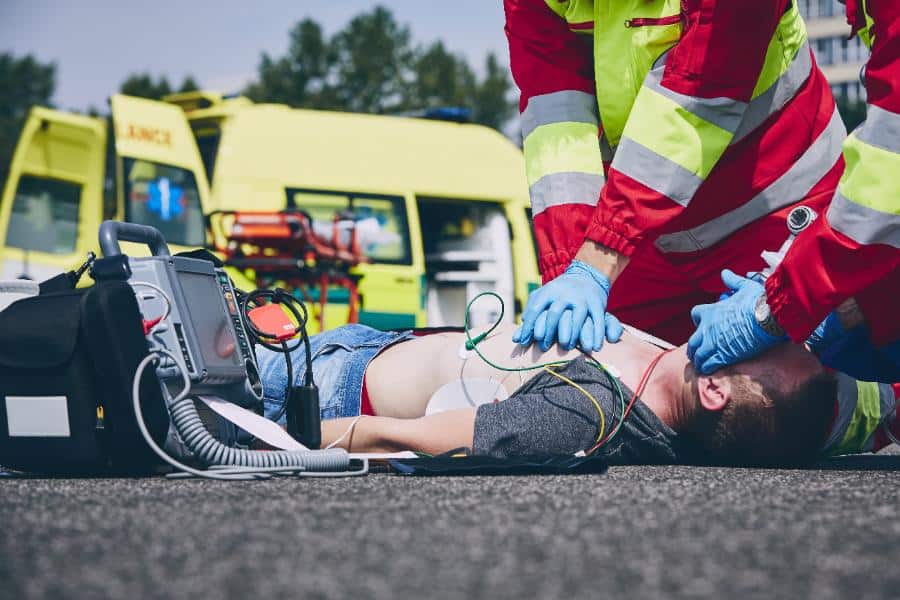

When the siren wails in the distance, most of us feel a fleeting moment of curiosity or concern before returning to our daily lives. For the men and women behind the wheel of that ambulance, fire truck, or police cruiser, however, that siren marks the beginning of another high-stakes chapter in a book that never closes. First responders—paramedics, firefighters, police officers, and dispatchers—are the invisible scaffolding of our society’s safety. They run toward the danger we run from, often at great personal cost to their physical and mental well-being.
We proudly offer spanish cpr classes to ensure more members of the community can access lifesaving education.

First Responders
Supporting these guardians requires more than a “Thank You” sticker on a car bumper. It demands a conscious effort to understand their reality and actionable steps to make their difficult jobs just a little bit lighter. Whether through advocacy, community gestures, or simply changing our driving habits, we all hold the power to be a “responder to the responders.” Here is how you can offer meaningful support to those who serve.
Respecting the “Move Over” Law and Road Safety
The most immediate and life-saving way to support first responders is to change how we behave when we see them. Every year, roadside accidents claim the lives of officers, firefighters, and EMS personnel who are struck by passing vehicles while trying to help someone else. The roadside is their office, but unlike a cubicle, it has cars flying past at seventy miles per hour.
Commit fiercely to the “Move Over” law. When you see flashing lights on the shoulder, slow down significantly and vacate the lane closest to them if possible. Give them a buffer of safety. Furthermore, when you hear a siren behind you, pull over calmly and predictably. Don’t panic or stop in the middle of an intersection. By being a predictable, safe driver, you remove one layer of stress from a job that is already overflowing with it.
Thoughtful Gestures: Food and Fuel
It is a classic image: a citizen dropping off a tray of homemade lasagna at the local fire station. While the sentiment is beautiful, the reality is complicated. Due to safety protocols and allergies, many departments cannot accept homemade food from strangers. The lasagna might end up in the trash, not because they are ungrateful, but because they have to be careful.
If you want to feed the crew, opt for sealed, store-bought goods or gift cards to local restaurants that deliver. A basket of high-quality coffee, protein bars, or hydration packets is often more practical than heavy comfort food. Better yet, call the non-emergency line first and ask what they need. They might tell you they are drowning in cookies but would kill for some fresh fruit or new socks.
Advocating for Better Resources and Funding
First responders often work with budgets that are stretched to the breaking point. Old equipment, understaffed shifts, and a lack of mental health resources are chronic issues. You can be a powerful ally by showing up where decisions are made. Attend town hall meetings and city council sessions to advocate for their funding.
When a levy for a new fire truck or station renovation appears on the ballot, educate yourself and your neighbors on why it matters. Writing letters to local editors or politicians in support of first responder wages and benefits is a form of support that lasts far longer than a handshake. It ensures they have the armor, tools, and staffing to come home safely at the end of their shift.
Supporting Mental Health Initiatives
The things first responders see—the accidents, the violence, the grief—leave marks that don’t bleed but run deep. Rates of PTSD, depression, and suicide are heartbreakingly high in these professions. Support organizations that provide specialized mental health care for them, such as the Gary Sinise Foundation or local peer support networks.
On a personal level, if you know a first responder, check in on them. Don’t ask for the “gory details” of their shift; instead, ask how they are holding up. Be a safe harbor where they can decompress without having to play the stoic hero. Normalizing conversations about their mental health is one of the greatest gifts you can give.
Teaching the Next Generation
Finally, support starts at home with how we talk to our children. Teach kids that police officers and paramedics are helpers to be trusted, not feared. If you see a crew at a grocery store or a community event, encourage your children to say hello and thank them.
These small interactions remind first responders of the humanity they are protecting. In a job that often involves seeing people on their worst days, a high-five from a smiling child can be the bright spot that carries them through the rest of a grueling shift.