Imagine a lively dinner party. The room is filled with the warmth of conversation, the clinking of silverware, and the laughter of friends. Suddenly, the noise drops away. One guest stands up, eyes wide with panic, hands clutching their throat. In this terrifying freeze-frame moment, the difference between a tragic accident and a life-saving rescue is a calm, informed reaction. Choking is a medical emergency that strikes without warning, turning a mundane activity like eating into a life-or-death situation in seconds.
Choose from several first aid courses designed to prepare you for emergencies at work, school, or home.
Because choking cuts off the oxygen supply to the brain, time is the ultimate enemy. There is no time to wait for an ambulance to arrive to resolve the blockage; the intervention must happen immediately, right at the table. Understanding the mechanics of choking and having the confidence to step in can empower you to save a life. This guide breaks down the critical steps to handling these emergencies with clarity and speed.
Our hands-on aed course teaches you how to properly operate an automated external defibrillator during cardiac emergencies.
Mastering the Response: From Recognition to Rescue
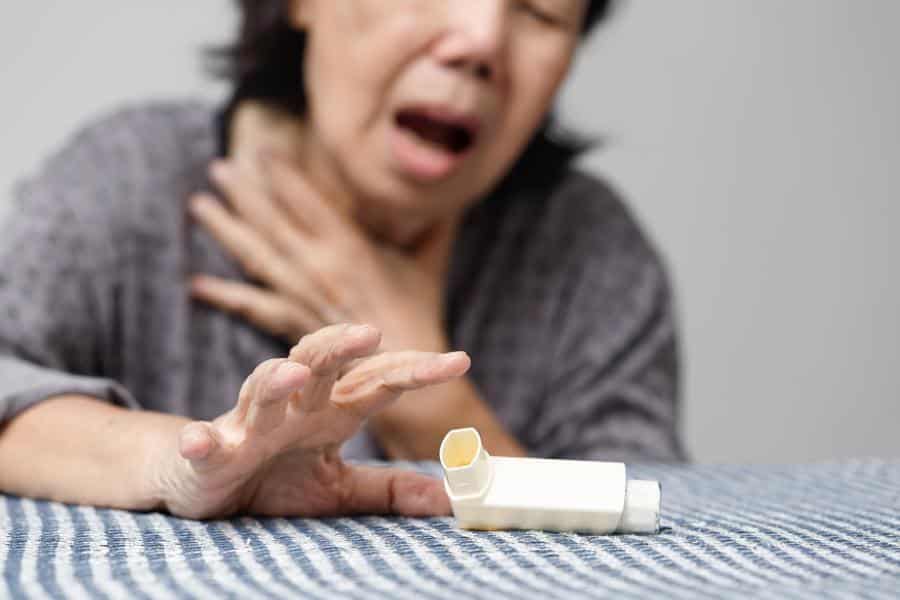
Panic is the natural human response to seeing someone unable to breathe, but panic paralyzes. To act effectively, you must first quickly assess the situation. Not all choking scenarios look the same, and the “Universal Sign for Choking”—clutching the hands to the throat—is the most obvious indicator, but it isn’t the only one. You might see a person’s face turn red and then blue (cyanosis) around the lips, or witness them frantically pointing to their mouth while unable to speak. Recognizing these silent screams for help is the trigger that kicks your training into gear.
We provide cpr certification for healthcare providers that meets professional and workplace compliance requirements.

Assessing the Airway: Partial vs. Complete Blockage
Before you physically intervene, you must determine the severity of the obstruction. This is a critical distinction that dictates your next move. If the person is coughing forcefully, gagging, or able to speak between gasps, they have a partial blockage. In this scenario, their own body is fighting the best battle. Encouraging them to keep coughing is often the best strategy, as a strong cough is more effective than any external maneuver at dislodging an object.
However, if the person is silent, unable to cough or speak, or makes high-pitched wheezing sounds, they have a complete blockage. The silence is the danger signal. This means no air is passing through the obstruction, and you must act immediately by performing abdominal thrusts (commonly known as the Heimlich maneuver) and back blows.
The “Five-and-Five” Approach for Adults and Children
For adults and children over one year old, the American Red Cross recommends a “five-and-five” approach, which combines gravity and pressure to force the object out. Start by standing to the side and slightly behind the victim. Support their chest with one hand and lean them forward so the object will exit the mouth rather than go deeper. deliver five separate, firm back blows between the shoulder blades with the heel of your hand.
If the object remains stuck, perform five abdominal thrusts immediately. Stand behind the person and wrap your arms around their waist. Locate their navel, then make a fist with one hand and place the thumb side just above the navel but below the ribs. Grasp your fist with your other hand and pull inward and upward with a sharp, bursting motion. You are essentially trying to use the air trapped in their lungs to pop the cork—the obstruction—out of the airway. Continue this cycle of five back blows and five abdominal thrusts until the object is expelled or help arrives.
Special Care for Infants: Delicate but Decisive
Babies require a completely different technique because their bodies are fragile and their organs are not yet fully protected by the rib cage. You cannot use abdominal thrusts on an infant under one year old. Instead, sit down and rest your forearm on your thigh. Place the infant face down along your forearm, supporting their head and jaw with your hand—be careful not to cover their mouth or twist their neck. Their head should be lower than their chest.
Deliver five gentle but firm back blows between the infant’s shoulder blades using the heel of your hand. If the object doesn’t come out, sandwich the infant between your arms and turn them face-up, keeping their head lower than their body. Using two fingers placed in the center of the chest (just below the nipple line), give five chest thrusts, pushing down about 1.5 inches. Repeat this back-and-forth cycle until the infant breathes again.
When You Are Alone: The Self-Rescue
Perhaps the most terrifying scenario is choking when no one else is around. You cannot panic. You must generate the pressure needed to clear your own airway. First, try to cough as forcefully as possible. If that fails, you need to perform abdominal thrusts on yourself. Make a fist, place it above your navel, grab it with your other hand, and bend over a hard surface—a countertop, the back of a sturdy chair, or a railing.
Thrust your upper abdomen against the edge of the object with a quick, upward motion. It will be painful, and it requires overcoming the instinct to avoid pain, but using your body weight against a solid object is the most effective way to simulate the force of another person helping you.
The Aftermath: Why Medical Attention is Essential
If you successfully dislodge an obstruction, the relief will be overwhelming. However, the emergency isn’t necessarily over. Abdominal thrusts and chest compressions are violent, traumatic events for the body. They can cause internal bruising, fractured ribs, or damage to the spleen and other organs.
Furthermore, small pieces of food or an object may remain in the lungs, which can lead to aspiration pneumonia later. Anyone who has required physical intervention for choking should be seen by a medical professional immediately. Surviving the choking incident is the victory; ensuring there are no lasting complications is the final step in the rescue.