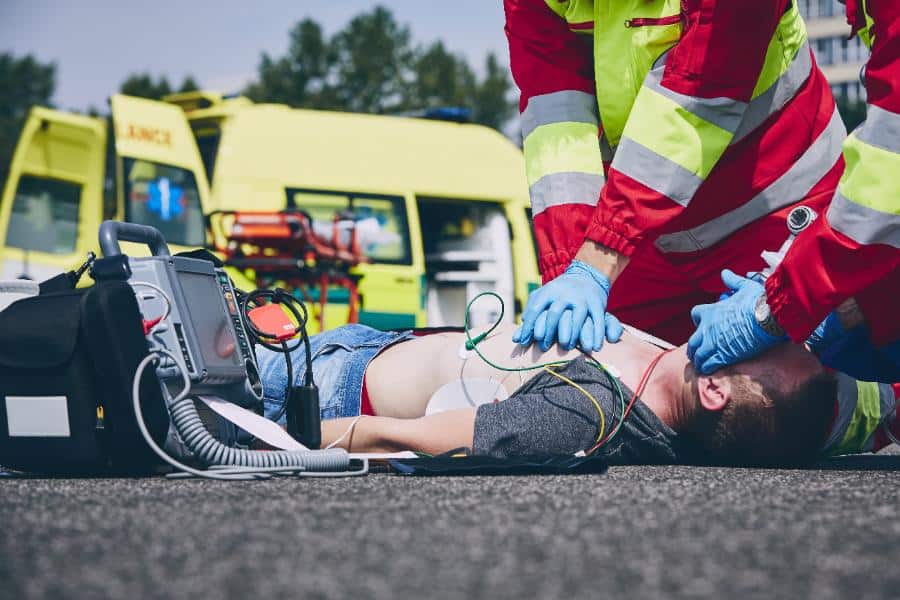

Panic is the thief of reason. When a glass shatters, a child screams, or a colleague suddenly collapses, the logical part of our brain often shuts down, hijacked by a rush of adrenaline. In that chaotic moment, trying to remember where the bandages are or what the emergency number is can feel like trying to read a map in a hurricane. This is why reliance on memory is not enough. You need a blueprint.
If you need flexible training from home, our online cpr and first aid program lets you learn lifesaving skills at your own pace.
First Aid Action Plan
A First Aid Action Plan is more than just a list of phone numbers taped to the fridge; it is a pre-programmed response system. It acts as an external brain that remains calm when you cannot. By establishing clear protocols, designated roles, and accessible resources before a crisis strikes, you transform potential chaos into a coordinated, effective response. Whether for your home, your workplace, or your sports club, building this plan is one of the most proactive investments you can make in the safety of your community.

Step 1: Assess Your Unique Risks and Environment
No two environments are the same, and a generic plan is often a useless one. To create a plan that works, you must first play the role of a detective in your own life. Walk through your space with a critical eye. What are the specific hazards here? A woodworking shop has a high risk of traumatic cuts and eye injuries. A home with a swimming pool has a drowning risk. A corporate office may have a higher likelihood of cardiac events among sedentary staff.
Map out these “hot zones.” Consider the demographics of the people you are protecting. Do you have elderly residents who might suffer a stroke? Do you have toddlers who are prone to choking? Your plan must be tailored to these realities. If you live in a rural area, your plan must account for a 20-minute ambulance wait time, whereas an urban plan might focus on immediate stabilization for a 5-minute transport.
Step 2: The Communication Chain
In an emergency, silence is dangerous, but noise is confusing. Your plan needs a clear communication hierarchy. Who calls 911? It shouldn’t be “whoever is closest.” It should be a designated role. In a workplace, this might be the receptionist. In a family, it might be the parent who isn’t performing first aid.
But communication goes beyond the initial call. How do you guide the ambulance to your location? If you live in a complex apartment building or work on a large campus, someone needs to be the “flag bearer”—the person who goes to the street to wave down the paramedics and guide them in. Define this role clearly. “If Dad is hurt, Mom helps him, and Timmy runs to the driveway to wait for the siren.”
Step 3: Inventory and Accessibility of Equipment
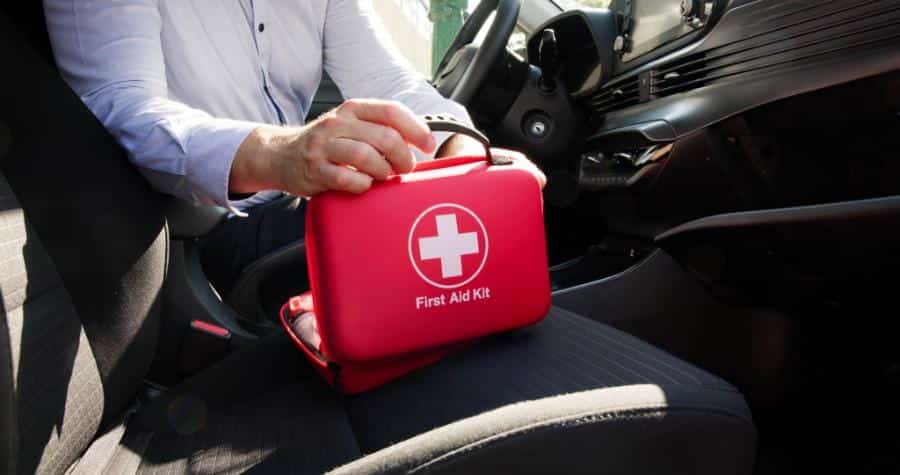
A plan is powerless without tools. Your First Aid Action Plan must detail exactly where the supplies are kept. Avoid the “junk drawer” mentality. Your kit should be in a central, high-visibility location—not buried under winter coats or locked in a manager’s office. If you have an Automated External Defibrillator (AED), it needs to be accessible within three minutes of a collapse.
Part of your plan is a maintenance schedule. Assign a “Quartermaster”—someone responsible for checking the kit every three months. Their job is to replace expired medications, restock used bandages, and check the battery status of the AED. A plan that relies on a dried-out EpiPen is a plan that will fail.
Step 4: Role Assignment and Training
The “Bystander Effect” is a psychological phenomenon where people freeze because they assume someone else will act. Your plan defeats this by assigning ownership. In a business, designate specific “First Aid Officers” for each shift. In a family, teach every member their job. Even a six-year-old can be the “Phone Captain.”
List the training status of your team. Who is CPR certified? Who knows how to use a tourniquet? Your plan should include a schedule for refresher courses. Skills degrade over time, and a certificate from ten years ago offers a false sense of security. Make training a recurring event on the calendar, not a one-time checkbox.
Step 5: The “After-Action” Protocol
The emergency doesn’t end when the ambulance pulls away. The aftermath is often messy and emotional. Your plan should include a protocol for what happens next. Who cleans up the scene? Who notifies the family members or emergency contacts? Who documents the incident for insurance or legal purposes?
Include a component for mental health support. Witnessing a medical emergency is traumatic. Your plan should list resources for counseling or a simple “debriefing” session where everyone can talk about what happened. Caring for the rescuers is just as important as caring for the victim.
Step 6: Drill, Refine, Repeat
Finally, a plan that lives only on paper is a hallucination. You must test it. Run a “fire drill” for a medical emergency. Announce a mock scenario: “Uncle Bob has collapsed in the kitchen. Go!” Watch what happens. Does everyone know where the kit is? Did the communication chain work? Did the dog get in the way?
Use these drills to find the friction points and smooth them out. Maybe you realize the kit is too high for the kids to reach, or that cell service is dead in the basement. Adjust your plan based on reality. A living, breathing plan is the only kind that saves lives.