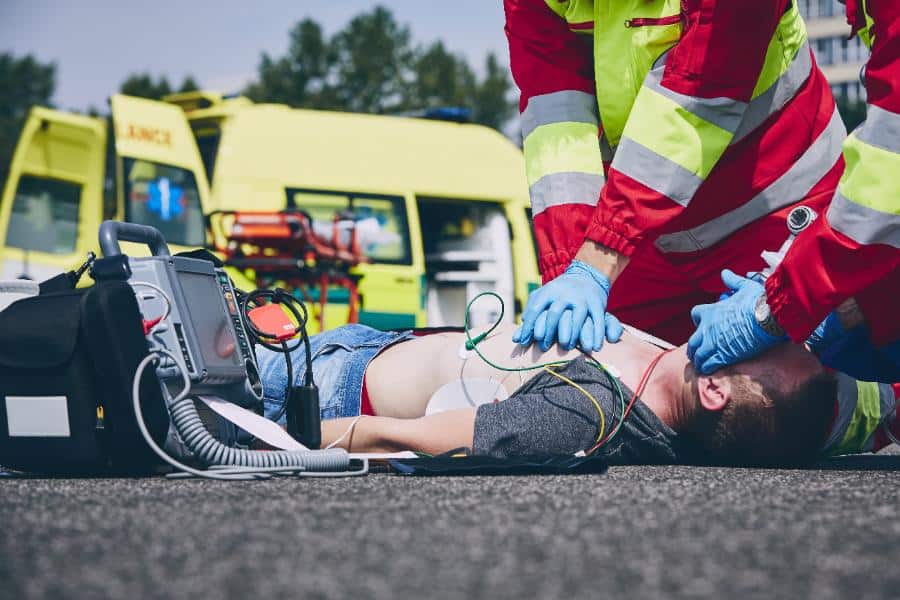
The alarm sounds, a glass shatters, or a loved one suddenly collapses. In that split second, the world seems to tilt on its axis. The air leaves the room, and a visceral jolt of adrenaline floods your system. This is the “fight, flight, or freeze” response, an ancient biological mechanism designed to keep us safe. However, in a medical emergency, the “freeze” response is the enemy. Many people possess the certification cards—the proof that they know CPR or first aid—but they lack the one ingredient that makes those skills usable: confidence.
Upgrade your emergency preparedness today and buy aed devices directly through our trusted equipment options.
Confidence in emergency response is not a personality trait reserved for paramedics and firefighters; it is a skill that can be constructed, brick by brick. It is the bridge that connects the intellectual knowledge in your brain to the skilled movement of your hands. Building this confidence is a journey of mental and physical preparation that transforms panic into purpose, allowing you to become the anchor in someone else’s storm.
Our cpr national programs meet industry standards and are accepted by employers across the country.
Moving Beyond the Classroom: The Psychology of Readiness
There is a vast canyon between a sterile classroom environment and the chaotic reality of an emergency. In a class, the lighting is perfect, the floor is carpeted, and the mannequin waits patiently. Real life is messy, loud, and unpredictable. The hesitation that plagues many potential rescuers stems from the fear of doing something wrong or making the situation worse. To build true confidence, we must dismantle this fear and replace it with a mindset of “stress inoculation.”
Learn how to respond to child emergencies with our specialized pediatric cpr training for parents, teachers, and caregivers.
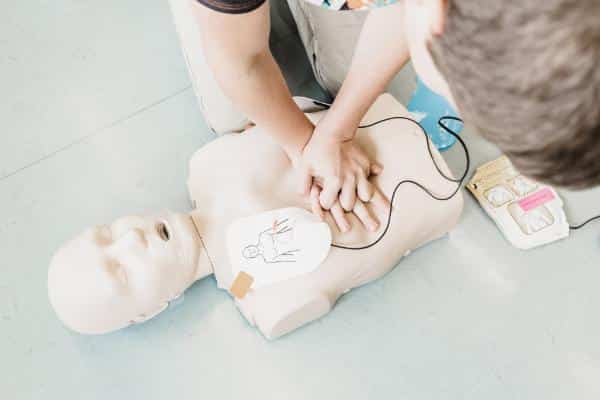
This process involves training your brain to recognize the signals of danger not as a cue to panic, but as a cue to act. It requires shifting your internal monologue from “What if I fail?” to “I know what to do next.” This shift doesn’t happen by accident; it happens through intentional practice and mental conditioning.
The Power of Mental Rehearsal and Visualization
Elite athletes and pilots use visualization to improve performance, and emergency responders can do the same. You don’t need a medical dummy to practice saving a life. You can play the “What If?” game during your daily commute or while sitting at your desk. Ask yourself: “If the person next to me collapsed right now, what would be my first move? Where is the nearest exit? Do I know where the AED is located in this building?”
Visualize the scenario in high definition. Imagine the weight of the door as you run to get help. Imagine the texture of the AED pads. Imagine the sound of your own voice directing a bystander to call 911. By mentally rehearsing these steps, you are laying down neural pathways. When a real emergency occurs, your brain will recognize the pattern. You won’t have to think; you will simply press “play” on the script you have already written in your mind.
Mastering Physiological Control: Tactical Breathing
Confidence is hard to maintain when your heart is hammering at 150 beats per minute and your hands are shaking. This is the physiological hijack of adrenaline. To make good decisions, you must first control your own body. The most effective tool for this is “tactical breathing” or “box breathing.”
This technique is simple but profound: inhale for four seconds, hold for four seconds, exhale for four seconds, and hold empty for four seconds. This rhythmic pattern hacks your nervous system, forcing it out of the panic state and back into a focus state. Practicing this when you are stressed in traffic or before a meeting builds the muscle memory needed to use it when someone is bleeding. A calm rescuer is a competent rescuer.
Exposure to Realistic Scenarios
Confidence comes from competence, and competence comes from repetition. If your only experience with CPR was three years ago, your confidence is naturally going to be low. Seek out refresher courses that offer scenario-based training. These are classes that don’t just teach you the skills but put you in simulated pressure situations.
Look for training that introduces elements of noise, confusion, or physical exertion. When you have successfully applied a tourniquet while your instructor is yelling time updates and a recording of sirens is playing, doing it in real life feels far less daunting. You learn to tune out the noise and tunnel your vision onto the patient. This “stress exposure” proves to your subconscious that you can function even when the environment is hostile.
Curating Your “Go-Bag” and Tools
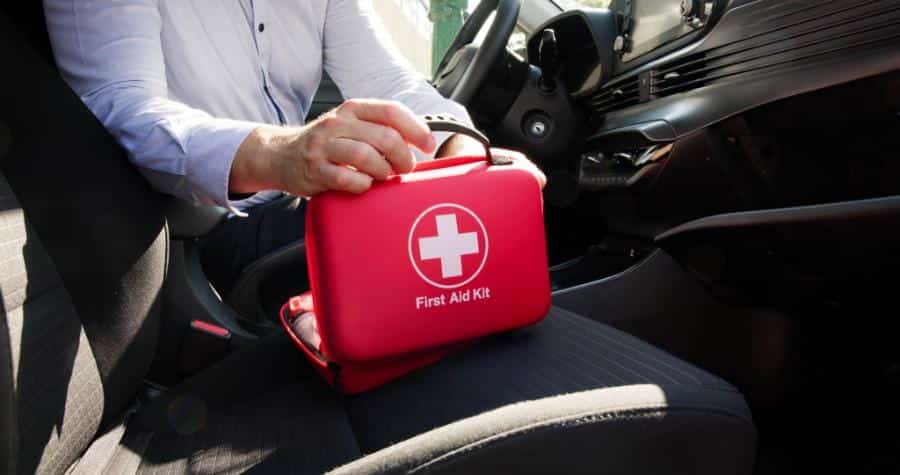
There is a specific type of confidence that comes from being materially prepared. Knowing you have the right tools within arm’s reach reduces cognitive load. If you have a well-stocked first aid kit in your car and you know exactly where the trauma shears and gloves are, you don’t have to waste mental energy improvising.
Take the time to organize your supplies. Familiarize yourself with the packaging. Open a bandage wrapper so you know how much force it takes. Handle the tourniquet so you know how the windlass turns. When you trust your gear, you trust yourself. You are no longer just a bystander; you are a mobile response unit.
Accepting Imperfection: The “Good Enough” Mindset
Finally, building confidence requires letting go of the need for perfection. In an emergency, perfect is the enemy of done. You might not remember the exact ratio of compressions to breaths perfectly, or your bandaging might look messy. That is okay. The goal is not to pass a test; the goal is to sustain life.
Understand that doing something is almost always better than doing nothing. The law protects you, the physiology of the victim requires you, and your training supports you. By embracing the mindset that you are simply doing your best to help, you strip away the paralyzing fear of judgment and unlock the courage to act.