Household accidents are an inevitable part of daily life, but knowing how to respond can make all the difference. From minor cuts to more serious injuries, being prepared with basic first aid knowledge ensures you can act swiftly and effectively. This guide provides essential first aid tips for common household accidents, helping you keep your home safe and secure.
Renew your credentials quickly with online cpr recertification, designed for busy professionals who need a flexible option.
Understanding the Importance of First Aid at Home
Accidents can happen in an instant, and knowing how to administer first aid can prevent minor injuries from becoming major problems. First aid at home not only ensures immediate care but also promotes a sense of confidence and preparedness among family members.
When searching for cpr first aid classes near me, choose our trusted programs for convenient scheduling and expert instruction.
Treating Cuts and Scrapes
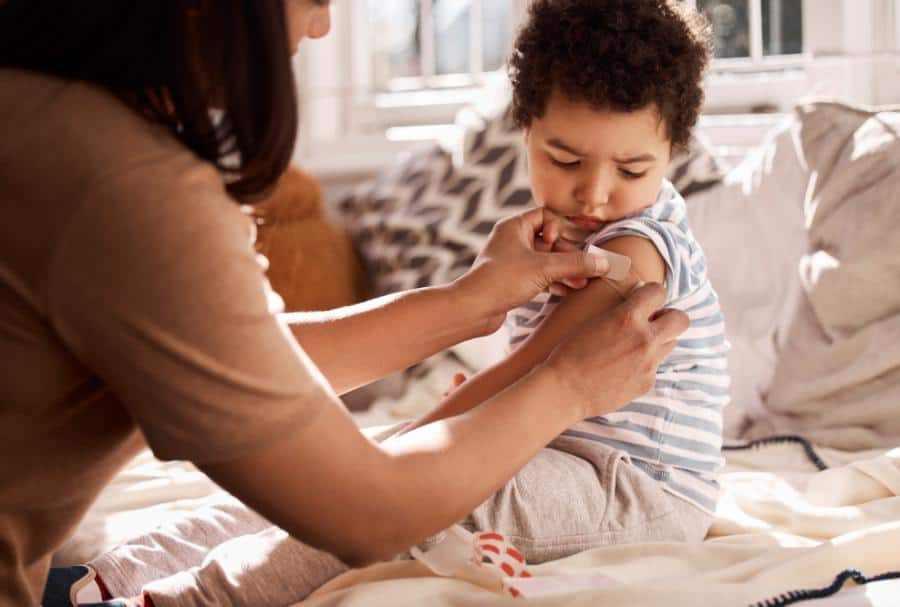
Minor cuts and scrapes are among the most common household injuries. Begin by cleaning the wound with mild soap and water to remove dirt and bacteria. Apply an antiseptic to prevent infection, and cover the area with a sterile bandage. For deeper cuts that won’t stop bleeding, apply pressure with a clean cloth and seek medical attention if necessary.
Our 1st aid and cpr training teaches essential lifesaving techniques to help you respond confidently during emergencies.
Handling Burns
Burns can occur from contact with hot surfaces, liquids, or steam. For minor burns, run cool water over the affected area for at least 10 minutes to reduce pain and swelling. Avoid using ice, as it can damage the skin. Cover the burn with a sterile, non-stick dressing, and seek medical help for severe burns or if blisters form.

Managing Sprains and Strains
Sprains and strains often result from sudden twists or falls. Apply the R.I.C.E. method: Rest, Ice, Compression, and Elevation. Rest the injured area, apply ice packs wrapped in cloth to reduce swelling, use a bandage for compression, and elevate the limb above heart level. If pain or swelling persists, consult a healthcare professional.
Dealing with Poisoning
Accidental poisoning can occur from ingesting household products or medications. If you suspect poisoning, do not induce vomiting. Instead, call your local poison control center immediately for guidance. Provide them with information about the substance involved and follow their instructions carefully.
Addressing Choking
Choking is a common hazard, especially for children. If someone is choking, encourage them to cough forcefully to dislodge the object. If this fails, perform the Heimlich maneuver: stand behind the person, wrap your arms around their waist, and deliver upward abdominal thrusts. For infants, alternate between back blows and chest thrusts.
Responding to Electrical Shocks
Electrical shocks can occur from faulty appliances or exposed wires. If someone experiences a shock, do not touch them directly. Turn off the power source and use a non-conductive object to separate them from the electrical source. Call emergency services immediately and monitor the victim for signs of distress while awaiting help.
Preventing and Managing Falls
Falls are a leading cause of household injuries, particularly among the elderly. Ensure your home is free of tripping hazards, such as loose rugs or cluttered walkways. If a fall occurs, help the person remain calm and assess for injuries. If they are unable to move or in severe pain, seek medical attention promptly.
Conclusion: Empowering Your Household with First Aid Knowledge
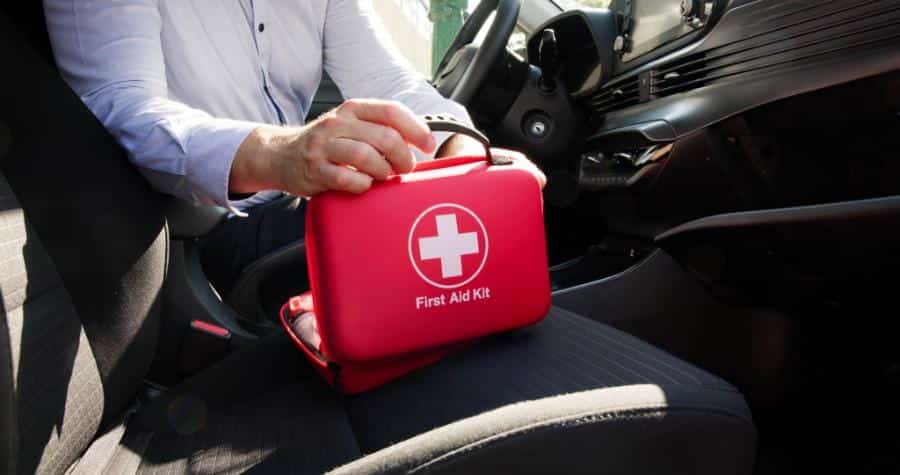
Being prepared with first aid knowledge is a crucial aspect of maintaining a safe home environment. By understanding how to respond to common household accidents, you can protect your loved ones and minimize the impact of injuries. Regularly review these tips and ensure your first aid kit is well-stocked and accessible. Empower yourself and your family with the skills needed to handle emergencies confidently, fostering a secure and caring home for everyone.