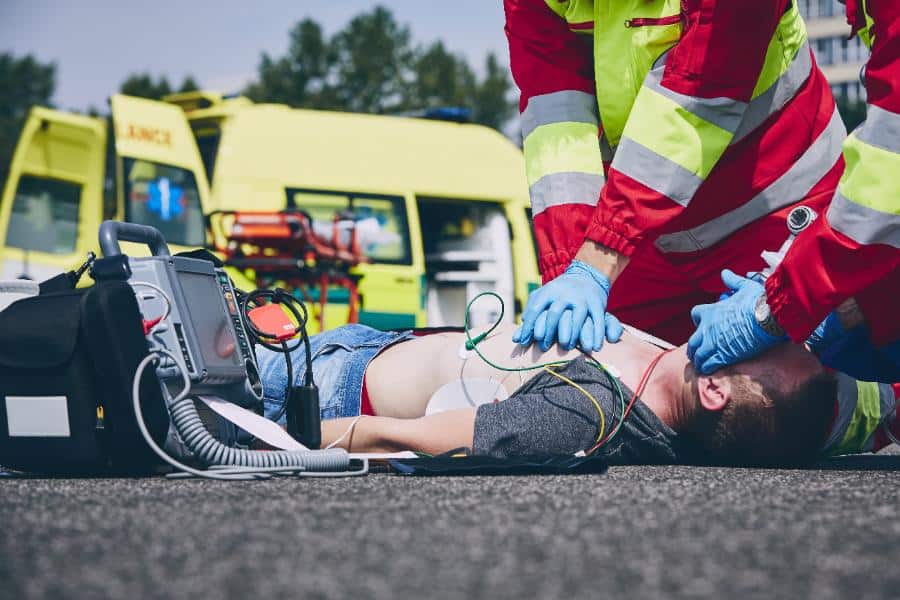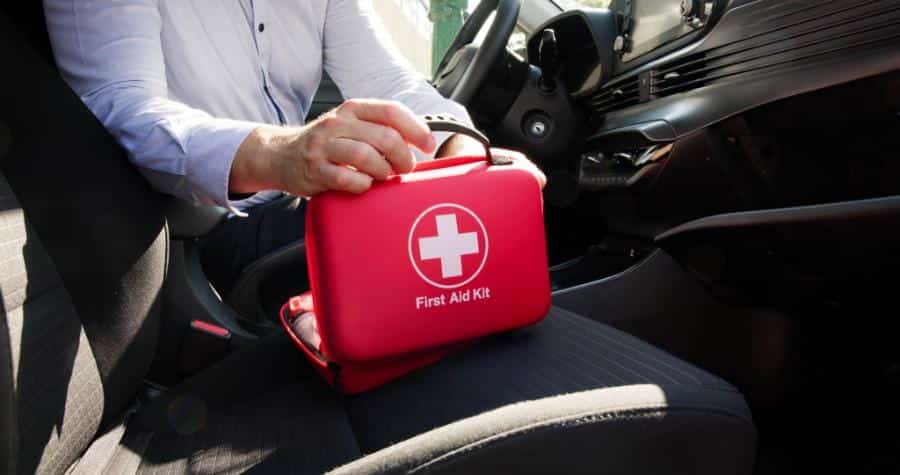
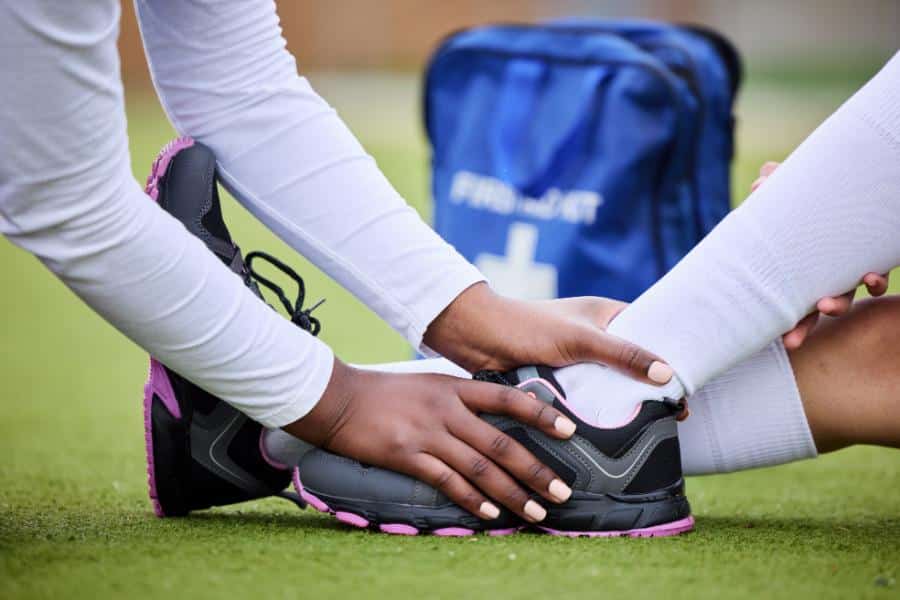
Sports are a vital part of a healthy lifestyle, offering physical fitness and mental well-being. However, they also come with the risk of injuries. Knowing how to administer first aid for sports-related injuries ensures that you can respond quickly and effectively, minimizing the impact and facilitating recovery. This guide provides essential first aid tips to handle common sports injuries, keeping athletes safe and active.
Join our instructor-led cpr and first aid classes phoenix to gain practical, real-world lifesaving skills.
Understanding Common Sports Injuries
Sports-related injuries vary in severity and type, often affecting muscles, ligaments, and bones. Common injuries include sprains, strains, fractures, and concussions. Recognizing these injuries and knowing how to respond is crucial for preventing further harm and promoting healing.
Our comprehensive cpr and first aid training prepares individuals, families, and businesses to respond effectively in emergencies.
Managing Sprains and Strains
Sprains and strains are among the most common sports injuries, occurring when ligaments or muscles are overstretched. The R.I.C.E. method—Rest, Ice, Compression, and Elevation—is an effective first aid treatment. Rest the injured area, apply ice packs to reduce swelling, wrap the area with a compression bandage, and elevate it above heart level to minimize swelling.
If you prefer learning at home, our fully accredited cpr online options make certification simple and accessible.

Treating Fractures
Fractures require immediate attention to prevent further damage. Immobilize the affected area using a splint or any rigid material, ensuring it does not cause additional pain. Avoid moving the injured limb and seek professional medical help urgently. Applying ice can help reduce swelling and discomfort while waiting for medical assistance.
Addressing Concussions
Concussions are serious head injuries that require careful monitoring. If an athlete experiences a blow to the head followed by symptoms such as confusion, dizziness, or loss of consciousness, suspect a concussion. Ensure the individual rests and seeks medical evaluation promptly. Avoid physical activity until a healthcare provider gives clearance.
Dealing with Cuts and Abrasions
Cuts and abrasions are common in contact sports. Clean the wound with mild soap and water to remove dirt and bacteria. Apply an antiseptic and cover with a sterile bandage to prevent infection. For deeper cuts, apply pressure to stop bleeding and seek medical attention if necessary.
Handling Muscle Cramps
Muscle cramps are sudden, involuntary contractions often caused by dehydration or overuse. Encourage the athlete to rest and gently stretch the affected muscle. Hydration is key, so provide water or an electrolyte drink to replenish lost fluids. Massaging the area can also help alleviate discomfort.
Preventing Sports Injuries
Prevention is always better than cure. Encourage athletes to warm up properly before engaging in sports activities, as this prepares muscles and reduces injury risk. Ensure they wear appropriate gear and maintain hydration throughout the activity. Educating athletes on proper techniques and body mechanics also helps in preventing injuries.
Creating an Emergency Action Plan
Having an emergency action plan is essential for sports teams and organizations. This plan should include protocols for handling injuries, emergency contact information, and locations of first aid kits and AEDs. Regularly review and practice the plan with team members to ensure everyone is prepared to respond to emergencies.
Training for First Responders
Training coaches, trainers, and team leaders in first aid and CPR is vital for effective injury management. These individuals are often the first responders when injuries occur, and their ability to provide immediate care can significantly influence recovery outcomes. Encourage ongoing education and certification in first aid practices.
Conclusion: Keeping Athletes Safe and Active
First aid is a crucial component of sports safety, providing immediate care that can prevent minor injuries from becoming major issues. By understanding common sports injuries and how to address them, you contribute to a safer athletic environment. Equip yourself with the knowledge and skills to protect athletes, ensuring they remain healthy, active, and ready to achieve their best. Prioritize safety and preparedness, empowering athletes to enjoy the benefits of sports with confidence and peace of mind.