Cardiopulmonary resuscitation (CPR) is a critical life-saving technique, yet it’s often surrounded by myths and misconceptions. Understanding the truth about CPR can make the difference between life and death in emergencies. In this article, we’ll debunk common myths about CPR, empowering you with accurate and valuable information.
Earn your CPR certification online with an easy-to-follow program that allows you to train at your own pace.
The Importance of CPR Knowledge
Having a clear understanding of CPR can significantly increase the survival rates of cardiac arrest victims. Often, bystanders hesitate to perform CPR due to misunderstandings or fear. By dispelling these myths, we aim to boost confidence and willingness to act in critical situations.
Healthcare professionals can enroll in BLS certification courses that meet industry standards and employer requirements.
Myth 1: CPR is Only for Medical Professionals
One of the most pervasive myths is that CPR should only be performed by doctors or paramedics. In reality, anyone can learn and administer CPR. Basic CPR involves chest compressions that can be performed by any trained individual, regardless of their medical background. Numerous organizations offer CPR training courses, equipping individuals with the skills needed to save lives.
Sign up for BLS classes Phoenix to receive hands-on skills practice and a nationally recognized certification close to home.
Myth 2: Mouth-to-Mouth Resuscitation is Essential
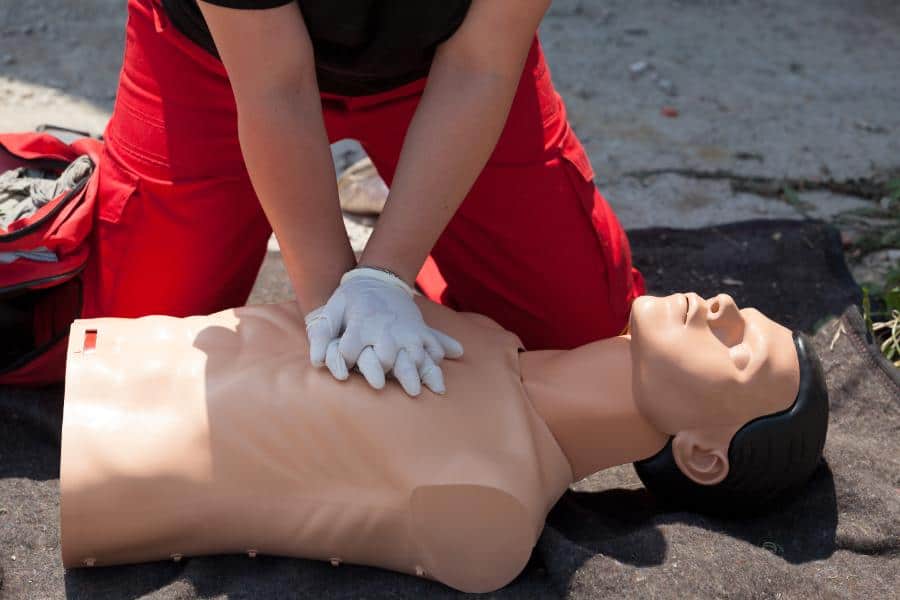
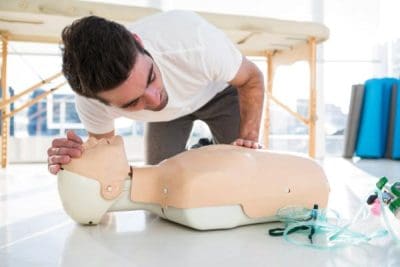
While mouth-to-mouth resuscitation, known as rescue breathing, was traditionally a key component of CPR, modern guidelines emphasize hands-only CPR. Studies have shown that chest compressions alone can be highly effective, especially in the initial minutes following a cardiac arrest. Hands-only CPR is simpler, making it easier for bystanders to perform without hesitation.
Myth 3: CPR Can Harm the Victim
Some people fear that performing CPR might injure the victim. While it’s true that chest compressions can sometimes cause rib fractures, the potential benefits far outweigh the risks. When someone is experiencing cardiac arrest, the priority is to keep blood flowing to vital organs. Immediate CPR can double or triple the chances of survival.
Myth 4: CPR Always Revives the Victim
Another common misconception is that CPR will always revive someone. Unfortunately, CPR does not guarantee survival. Its purpose is to maintain blood circulation and oxygenation until professional medical help arrives. Even when revival isn’t immediate, CPR provides critical support that can lead to a successful outcome once medical intervention occurs.
Myth 5: You Need Special Equipment to Perform CPR
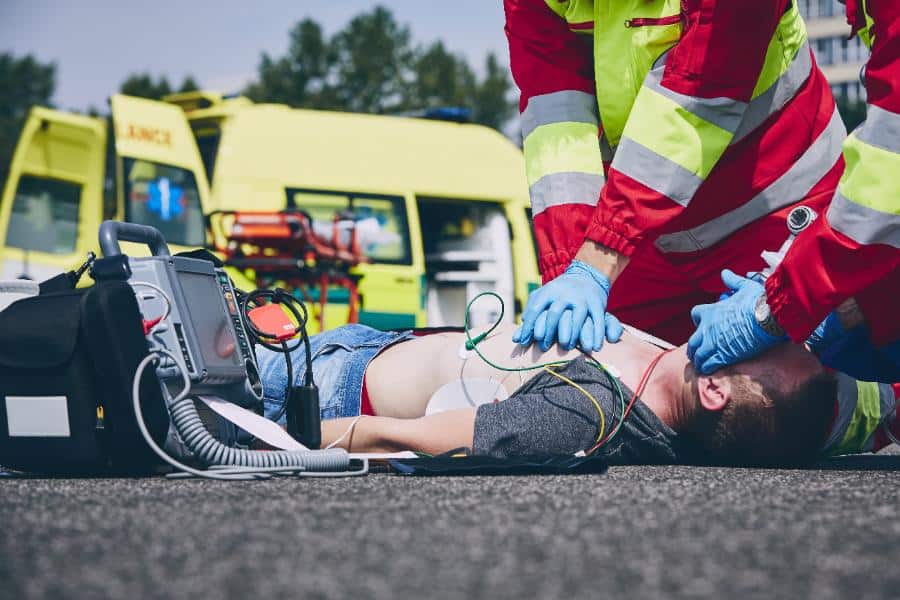
While automated external defibrillators (AEDs) are highly beneficial and increase survival rates, they are not necessary for performing CPR. Hands-only CPR requires no equipment, only your hands and knowledge of the technique. However, if an AED is available, using it alongside CPR is highly recommended, as it can restore normal heart rhythm.
Myth 6: CPR is Only Necessary if the Person Has Stopped Breathing
CPR should be administered when a person is unresponsive and not breathing normally. Agonal breathing, characterized by irregular, gasping breaths, is a sign that CPR is needed. Waiting until breathing stops altogether can delay critical intervention.
 Myth 7: Children Cannot Perform CPR
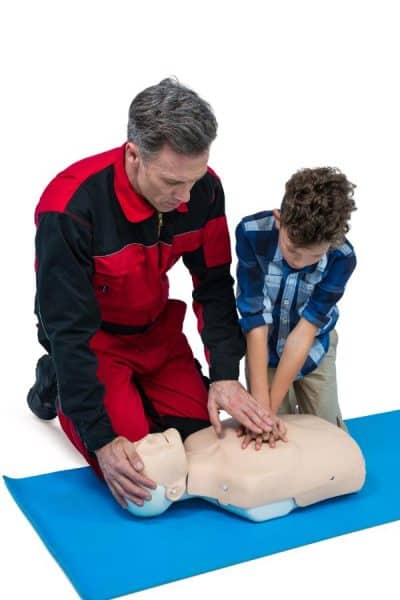
Even children can learn and perform CPR effectively. Many schools and community programs now offer CPR training to young people. Teaching children CPR not only equips them with life-saving skills but also fosters a sense of responsibility and confidence in emergency situations.
Myth 8: CPR is Not Needed if Emergency Services Are on Their Way
Every second counts in cardiac arrest situations. While emergency responders are on their way, performing CPR can sustain life until they arrive. Immediate action can make a significant difference, bridging the gap between the onset of cardiac arrest and professional medical care.
Conclusion: Empowering Action Through Knowledge
Understanding and debunking these common myths about CPR is crucial for empowering individuals to take swift and decisive action during emergencies. By spreading accurate information and encouraging CPR training, we can increase the number of bystanders ready to step in and potentially save a life. Remember, your actions could mean the difference between life and death. Equip yourself with the knowledge, practice regularly, and be prepared to act when it matters most.