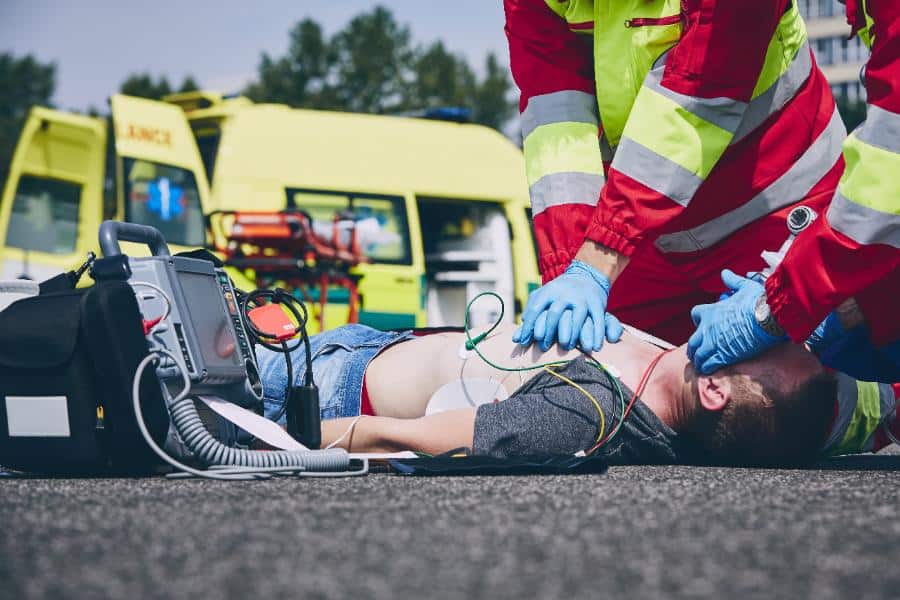
Automated External Defibrillators (AEDs) are vital devices that play a crucial role in saving lives during cardiac emergencies. These portable machines are designed to deliver a controlled electric shock to the heart, helping to restore a normal rhythm in cases of sudden cardiac arrest. Understanding how AEDs work and their importance can empower individuals and communities to respond effectively in critical situations.
Parents and caregivers benefit from our specialized infant cpr classes that focus on choking relief and infant-specific techniques.
The Science Behind AEDs
AEDs are built on the principle of defibrillation, a process that uses electrical energy to reset the heart’s electrical system. When the heart experiences irregular rhythms such as ventricular fibrillation, it loses its ability to pump blood effectively. AEDs analyze the heart’s rhythm and, if necessary, deliver a shock to reestablish a regular heartbeat.
Sign up for bls certification phoenix courses designed specifically for healthcare professionals and first responders.
How AEDs Work
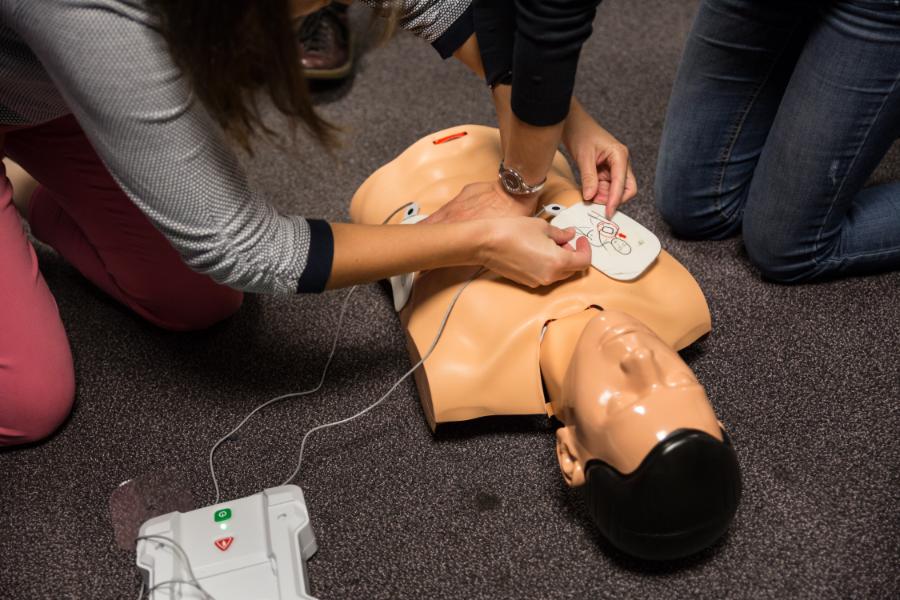
AEDs are user-friendly and designed for anyone, regardless of medical training. The device provides clear, step-by-step voice and visual instructions. Once the electrode pads are attached to the victim’s bare chest, the AED analyzes the heart rhythm and determines if a shock is needed. If so, the device instructs the user to press a button to deliver the shock.
If you prefer hands-on instruction, our cpr and first aid classes in person provide practical, instructor-led training in a supportive environment.
The Importance of Rapid AED Deployment
 Time is of the essence in cardiac arrest situations. Survival rates decrease by 7-10% for every minute defibrillation is delayed. AEDs significantly reduce response time because they are often available in public spaces such as airports, schools, and sports facilities. Quick access to an AED can double or even triple survival chances, highlighting the importance of widespread availability.
Integrating AEDs with CPR
AEDs are most effective when used in conjunction with CPR. While CPR maintains blood flow to vital organs, AEDs address the underlying heart rhythm issue. Initiating CPR immediately and using an AED as soon as it is available creates a comprehensive response that maximizes the victim’s chances of survival.
Community Training and Awareness
Community training programs are essential for maximizing the effectiveness of AEDs. Educating the public on how to locate and use AEDs builds confidence and readiness. CPR and AED certification courses provide hands-on experience, ensuring individuals are prepared to act decisively in emergencies.
Overcoming Barriers to AED Use
Despite their simplicity, some people hesitate to use AEDs due to fear of causing harm or lack of confidence. Understanding that AEDs are safe and designed to guide users through the process is crucial. The devices will not deliver a shock unless it’s necessary, and Good Samaritan laws protect those who provide emergency assistance.
Expanding AED Access
Increasing AED availability is a public health priority. Encouraging businesses, schools, and community centers to install AEDs can make a significant impact. Public awareness campaigns and funding initiatives can support these efforts, ensuring that AEDs are as accessible as fire extinguishers in public spaces.
Conclusion: The Lifesaving Potential of AEDs
Understanding AEDs and their importance is a vital step in enhancing community safety and preparedness. These devices are a cornerstone of emergency response, offering a chance for survival when every second counts. By promoting AED education, accessibility, and integration with CPR, we can empower individuals to take lifesaving action confidently. Embrace the power of AEDs and become an advocate for their widespread use, ensuring that your community is ready to respond when it matters most.