Cardiopulmonary resuscitation (CPR) is an essential life-saving technique widely recognized for its role in emergency situations. When performed promptly and correctly, CPR can significantly increase the chances of survival for individuals experiencing cardiac arrest. This article explores the vital role of CPR in emergencies, offering valuable insights into its importance and effectiveness.
Our comprehensive first aid CPR training equips you with the skills needed to respond quickly and effectively in emergency situations.
Understanding CPR and Its Importance
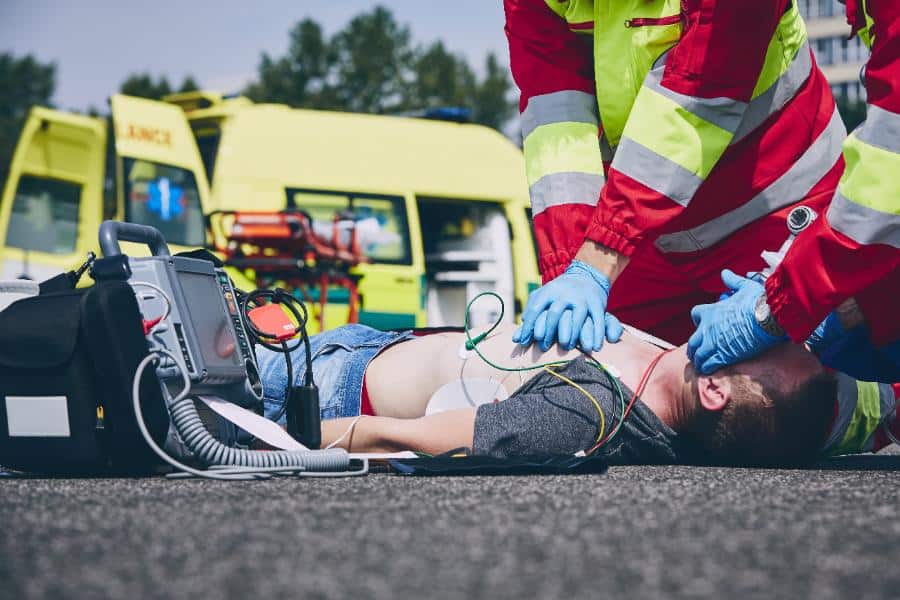
CPR is a combination of chest compressions and rescue breaths designed to maintain blood flow and oxygenation when the heart stops beating. In emergencies, such as sudden cardiac arrest, every second counts, and immediate CPR can be the difference between life and death.
Enroll in first aid and CPR classes to learn lifesaving techniques that protect your family, coworkers, and community.
How CPR Works
During cardiac arrest, the heart’s electrical system malfunctions, causing it to stop pumping blood effectively. CPR works by manually compressing the chest, which helps pump blood to the brain and other vital organs. Rescue breaths deliver oxygen to the lungs, helping keep the body’s tissues oxygenated until professional medical help arrives.
Ready to get CPR certified? Our flexible courses make it easy to complete training on your schedule.
The Impact of Immediate CPR
The prompt initiation of CPR can double or even triple a cardiac arrest victim’s chance of survival. The first few minutes following cardiac arrest are critical, and bystanders trained in CPR can provide crucial support. Immediate action prevents brain damage and increases the likelihood of a positive outcome once advanced medical intervention is available.
CPR in Different Emergency Scenarios
CPR is not limited to cardiac arrest situations. It plays a vital role in various emergencies, including drowning, suffocation, and severe trauma. In these scenarios, the heart may stop due to a lack of oxygen, and CPR becomes a crucial intervention to restore normal function.
Hands-Only CPR: A Simplified Approach
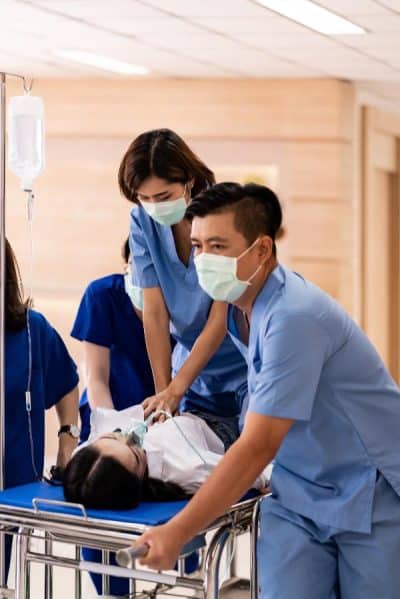 Recent guidelines emphasize the effectiveness of hands-only CPR, which involves chest compressions without rescue breaths. This method is particularly beneficial for bystanders untrained in full CPR or hesitant to perform mouth-to-mouth resuscitation. Hands-only CPR is simple and can be performed without any special equipment, making it accessible to everyone.
The Role of Training and Awareness
Widespread CPR training and awareness are essential for maximizing the technique’s effectiveness in emergencies. Many organizations offer CPR certification courses, equipping individuals with the skills and confidence to act decisively. Education programs in schools and communities ensure that more people are prepared to respond to emergencies.
The Integration of AEDs in CPR
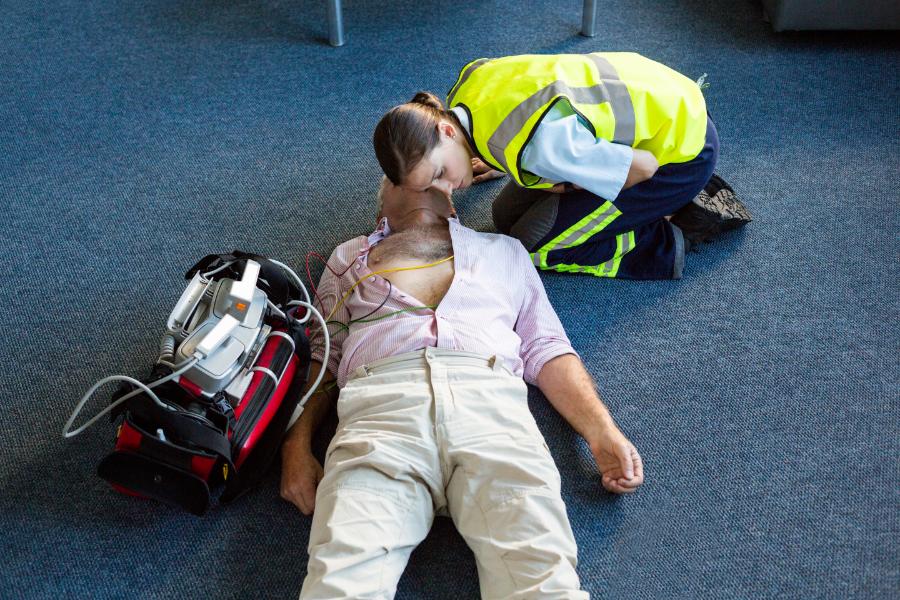
Automated external defibrillators (AEDs) are portable devices used in conjunction with CPR to restore a normal heart rhythm. AEDs are designed to be user-friendly and provide vocal instructions to guide rescuers through the process. When used promptly, AEDs significantly increase the chances of survival, especially in cases of ventricular fibrillation, a common cause of cardiac arrest.
Overcoming Barriers to Performing CPR
Despite its life-saving potential, many bystanders hesitate to perform CPR due to fear of causing harm or lack of confidence. Overcoming these barriers requires education and reassurance. Understanding that CPR-related injuries are rare and that performing CPR is better than doing nothing at all can empower more individuals to take action.
Conclusion: The Lifesaving Power of CPR
CPR plays an indispensable role in emergency situations, offering a lifeline to individuals experiencing cardiac arrest and other life-threatening conditions. By maintaining blood flow and oxygenation, CPR sustains life until advanced medical care can be provided. Increasing awareness, training, and confidence in CPR techniques ensures that more people are prepared to save lives when it matters most. Embrace the power of CPR and be ready to make a difference in an emergency.