
CPR training is a vital component of enhancing community safety, equipping individuals with the skills needed to respond effectively in emergencies. This empowering knowledge not only saves lives but also fosters a sense of security and preparedness within the community. In this article, we explore the profound impact of CPR training on community safety and how it transforms ordinary citizens into life-saving heroes.
With flexible scheduling, our cpr online classes allow you to complete your training anytime and from anywhere.
Building a Community of First Responders
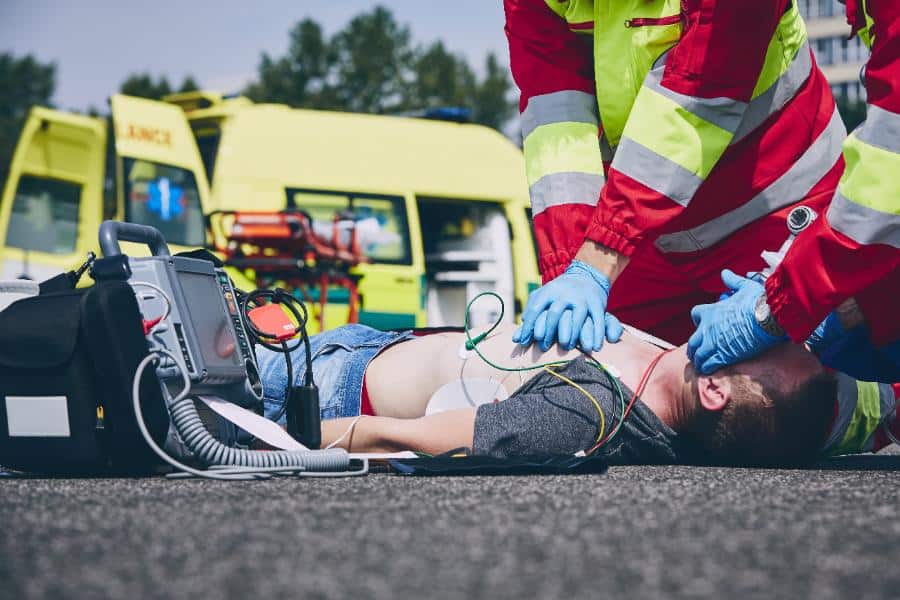
When individuals within a community are trained in CPR, they become first responders capable of acting swiftly in critical situations. This widespread knowledge ensures that help is readily available, even before professional medical teams arrive. A community well-versed in CPR contributes to a robust safety net, enhancing the overall resilience and readiness of its members.
Stay current and confident by enrolling in our fast and convenient cpr recertification program before your credentials expire.
Increasing Survival Rates
The immediate application of CPR significantly increases the chances of survival in cardiac arrest situations. With each passing minute, the likelihood of survival decreases, making prompt intervention crucial. Communities with higher rates of CPR-trained individuals see increased survival rates, as bystanders are more likely to initiate life-saving measures quickly.
Residents looking for cpr certification gilbert az can count on our nearby classes for trusted, high-quality instruction.

Reducing Response Time
CPR training empowers individuals to act without hesitation, reducing response time in emergencies. When trained citizens are present, they can begin CPR immediately, ensuring that critical time is not lost. This swift action provides vital support until emergency medical services arrive, bridging the gap and improving outcomes.
Enhancing Confidence and Preparedness
Knowing how to perform CPR instills confidence and preparedness in individuals. Trained community members feel empowered to take action, rather than feeling helpless in emergencies. This confidence extends beyond CPR, encouraging a proactive approach to safety and emergency response in various situations.
Fostering a Culture of Safety
CPR training promotes a culture of safety and awareness within the community. It encourages individuals to prioritize safety in their daily lives and to seek out further training and education. This cultural shift enhances community cohesion, as members work together to ensure the well-being of all residents.
Encouraging Lifelong Learning
CPR training often serves as a gateway to further education and skill development. Those who undergo training are more likely to pursue additional courses in first aid, emergency response, and health education. This commitment to lifelong learning strengthens the community’s ability to respond to a wide range of emergencies.
Supporting Vulnerable Populations
Communities with widespread CPR training are better equipped to support vulnerable populations, such as the elderly and those with pre-existing health conditions. By ensuring that a large number of individuals can provide immediate assistance, these communities create a safer environment for everyone, particularly those at higher risk of cardiac events.
Promoting Health and Wellness
Beyond emergency response, CPR training promotes overall health and wellness. It raises awareness of cardiovascular health and encourages individuals to adopt healthier lifestyles to prevent cardiac events. This proactive approach contributes to a healthier community, reducing the prevalence of heart-related emergencies.
Conclusion: A Call to Action
The impact of CPR training on community safety is profound, transforming individuals into empowered first responders and fostering a culture of preparedness and care. By investing in CPR education, communities can enhance their resilience, reduce response times, and improve survival rates in emergencies. Join the movement towards safer communities by advocating for CPR training and becoming a part of this life-saving network. Together, we can build a community that is ready, resilient, and empowered to save lives.