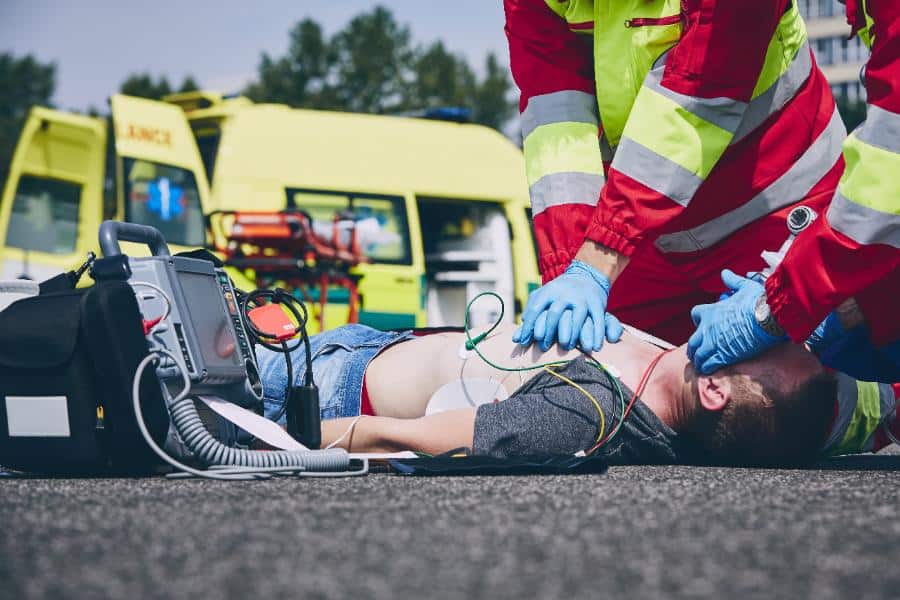

Workplace CPR training is an invaluable investment in employee safety and well-being. Equipping staff with the skills to respond to cardiac emergencies fosters a secure environment, enhancing both morale and productivity. This article explores the numerous benefits of implementing CPR training in the workplace, highlighting its impact on safety and community well-being.
Parents and caregivers benefit from our specialized infant cpr classes that focus on choking relief and infant-specific techniques.
Creating a Safer Work Environment
CPR training equips employees with the knowledge to act swiftly and effectively in emergencies. This preparedness transforms the workplace into a safer environment, empowering individuals to respond confidently to cardiac incidents. The presence of trained staff reduces the time between the onset of an emergency and the administration of life-saving measures, significantly increasing survival rates.
Sign up for bls certification phoenix courses designed specifically for healthcare professionals and first responders.
Boosting Employee Confidence and Morale
Knowing how to perform CPR instills confidence in employees, reassuring them that they can handle emergencies effectively. This confidence extends beyond the workplace, enhancing personal lives and community interactions. Additionally, employees feel valued when their safety is prioritized, which boosts morale and fosters loyalty and commitment to the organization.
If you prefer hands-on instruction, our cpr and first aid classes in person provide practical, instructor-led training in a supportive environment.
Reducing Workplace Liability
By providing CPR training, employers demonstrate a commitment to safety and can reduce liability in the event of an emergency. Trained employees are more likely to respond appropriately, minimizing the risk of errors or delays that could result in adverse outcomes. This proactive approach can also lead to lower insurance premiums, as insurers recognize the reduced risk associated with a trained workforce.
If you prefer hands-on instruction, our cpr and first aid classes in person provide practical, instructor-led training in a supportive environment.
Enhancing Teamwork and Collaboration
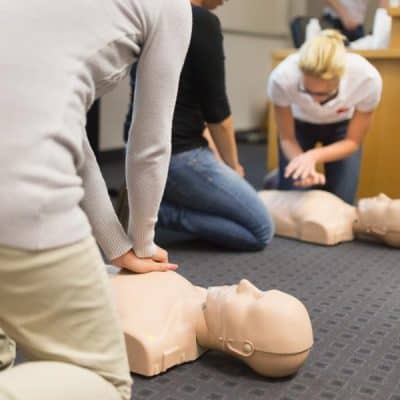
CPR training sessions often involve group activities that promote teamwork and collaboration. Employees learn to work together under pressure, coordinating their efforts to achieve a common goal. This collaborative spirit extends to everyday tasks, improving communication and cooperation within teams. The shared experience of training strengthens bonds and encourages a supportive work culture.
Improving Community Preparedness
The benefits of workplace CPR training extend beyond the office, contributing to community safety. Employees take their skills home, prepared to act in emergencies involving family, friends, or strangers. This ripple effect creates a network of trained individuals, enhancing community resilience and preparedness.
Staying Compliant with Health and Safety Regulations
Many industries have regulations requiring workplace safety measures, including CPR training. By offering training programs, employers ensure compliance with these regulations and avoid potential fines and legal issues. Staying compliant not only protects the organization but also reinforces a commitment to employee welfare.
Facilitating Quick Recovery and Business Continuity
In the event of a cardiac emergency, a quick and effective response is crucial for the victim’s recovery. Having trained employees on-site ensures immediate action, increasing the chances of a positive outcome. A timely response can prevent prolonged disruptions, allowing the business to maintain operations and productivity.
Promoting a Culture of Safety
Implementing CPR training promotes a culture of workplace safety. Employees become more aware of potential hazards and take proactive steps to prevent accidents. This culture of vigilance and care extends to all aspects of work, fostering an environment where safety is a shared responsibility.
Conclusion: Embracing the Lifesaving Power of CPR
Workplace CPR training is a critical component in ensuring the safety and well-being of employees and the broader community. By investing in this training, organizations not only protect their workforce but also cultivate a culture of preparedness and care. The benefits are far-reaching, enhancing morale, reducing liability, and contributing to community resilience. Embrace the lifesaving power of CPR training and make it an integral part of your workplace safety strategy, empowering employees to act with confidence and compassion in emergencies.