
The modern classroom is a vibrant ecosystem of energy, curiosity, and movement. From the chemistry lab to the playground, and from the quiet reading corner to the chaotic gymnasium, schools are hubs of constant activity. However, where there is activity, there is inevitably risk. A scraped knee is a rite of passage, but the reality of school safety encompasses far more than minor cuts and bruises. In the critical moments following an accident or a sudden medical episode, a teacher is often the only line of defense standing between a student and a tragedy.
With flexible scheduling, our cpr online classes allow you to complete your training anytime and from anywhere.
While the primary role of an educator is to nurture the mind, the responsibility to protect the body is equally paramount. First aid certification is not merely a badge to wear or a box to check on a professional development form; it is a vital toolkit that empowers teachers to act decisively when seconds count. By equipping educators with life-saving skills, we create a safety net that spans the entire school day, ensuring that learning environments remain safe havens for every child.
Stay current and confident by enrolling in our fast and convenient cpr recertification program before your credentials expire.
Transforming Educators into Confident First Responders
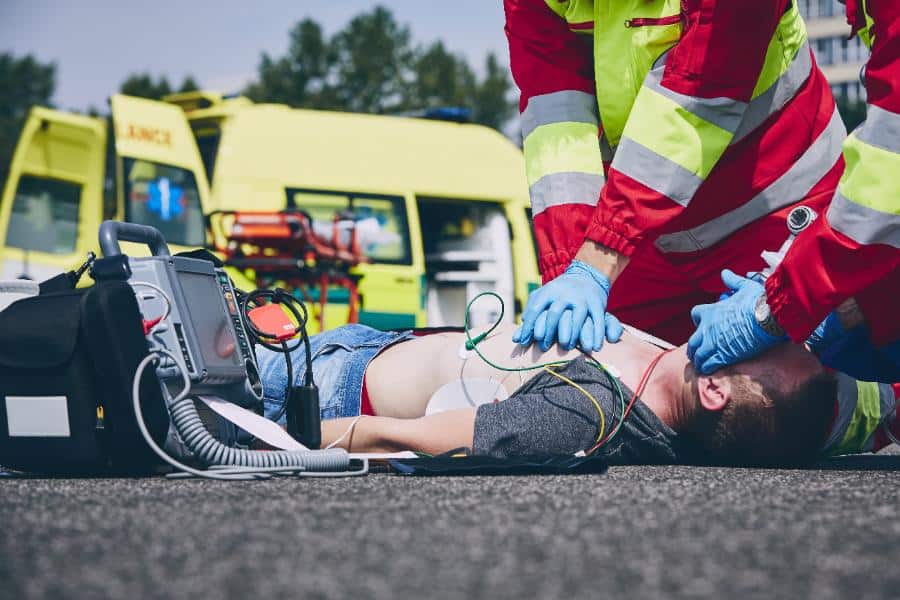
When an emergency strikes, the atmosphere in a classroom changes instantly. The hum of learning is replaced by a sudden, terrifying silence or chaotic panic. In these high-pressure scenarios, the “bystander effect” can be dangerous, with adults freezing because they lack the knowledge to intervene. First aid certification bridges the gap between the occurrence of an injury and the arrival of professional medical help.
Residents looking for cpr certification gilbert az can count on our nearby classes for trusted, high-quality instruction.

Training transforms a teacher from a helpless observer into a capable first responder. It provides the psychological armor needed to push past fear. When a teacher knows exactly how to perform CPR, how to apply pressure to a severe wound, or how to maneuver the Heimlich maneuver, they project a sense of authority and calm. This composure is contagious; it stabilizes the injured student and prevents panic from spreading to the rest of the class.
Bridging the Gap Between Accident and Ambulance
The most critical element in any medical emergency is time. While emergency services are efficient, the average ambulance response time can range from eight to fifteen minutes depending on the location. In the context of a severe allergic reaction, a choking incident, or cardiac arrest, those minutes are an eternity. Brain damage can begin in as little as four minutes without oxygen.
A teacher trained in first aid and CPR becomes the stopgap. By recognizing the signs of distress immediately—whether it’s the wheeze of an asthma attack or the clutch of a throat during lunch—a certified teacher initiates care instantly. Administering an EpiPen or starting chest compressions before the paramedics arrive drastically increases the survival rates and recovery prospects for the student. That immediate intervention is often the difference between a scary story to tell later and a life-altering tragedy.
Mastering the Management of Chronic Conditions
School safety isn’t always about dramatic accidents; often, it is about managing the silent, ongoing health battles that many students fight daily. Today’s classrooms are inclusive environments hosting students with a wide array of chronic conditions, including epilepsy, diabetes, severe asthma, and life-threatening allergies.
First aid certification courses go beyond bandages; they train educators to spot the subtle onset of medical crises. A teacher with this knowledge can distinguish between a student who is simply daydreaming and one who is having an absence seizure. They can recognize the fruity breath or confusion associated with hyperglycemia in a diabetic child. This heightened state of awareness allows teachers to intervene with medication or care protocols early, often preventing a full-blown medical emergency from developing in the first place.
Safety Beyond the School Gates
Learning often leaves the building. Field trips, sports tournaments, and outdoor excursions are some of the most memorable parts of a student’s education, but they also remove the safety net of the school nurse’s office. When a class is hiking a nature trail or visiting a museum, the teacher is the de facto medical authority.
In these off-site scenarios, resources are limited. A first aid certified teacher carries the knowledge of how to improvise splints, treat heat exhaustion, or manage insect stings miles away from campus. This autonomy allows schools to offer enriching off-campus experiences with the confidence that the adults in charge can handle the unexpected, ensuring that adventure never comes at the cost of safety.
Enhancing Professional Value and Employability
From a career perspective, first aid certification is a tangible asset that sets an educator apart. School administrators are under immense pressure to minimize liability and maximize student safety. When hiring, a candidate who brings a valid first aid and CPR certificate to the table demonstrates a proactive commitment to the holistic well-being of their students.
It signals to parents and principals alike that this teacher is prepared for the “what ifs.” In an era where school safety is a top priority for communities, possessing these credentials makes a teacher more employable and positions them as a leader within the faculty, capable of mentoring others in safety protocols.
The Ripple Effect of Preparedness
Ultimately, the benefits of first aid training ripple outward. A teacher who knows first aid can teach it, formally or informally, to their students. They model a culture of care and preparedness. When students see their teachers handling minor injuries with competence and care, they feel safer and more secure, which is the foundation required for effective learning.
Investing in first aid certification is an investment in the resilience of the school community. It ensures that when the bell rings, the adults in the room are ready for anything—protecting not just the future of their students, but their lives in the present moment.