Obtaining CPR certification is a vital step toward being equipped to save lives during cardiac emergencies. The certification exam tests your knowledge and ability to perform CPR effectively. Proper preparation is key to passing this exam with confidence. This guide offers valuable tips and insights to help you prepare thoroughly for your CPR certification exam.
Renew your credentials quickly with online CPR recertification, designed for busy professionals who need a flexible option.
Understanding the Importance of CPR Certification
CPR certification provides formal recognition of your ability to perform cardiopulmonary resuscitation. It assures employers, colleagues, and the public that you can respond effectively in emergencies. Certification is often required for healthcare professionals, educators, and various other occupations where safety is paramount.
When searching for CPR first aid classes near me, choose our trusted programs for convenient scheduling and expert instruction.
Familiarize Yourself with CPR Guidelines
Start by reviewing the latest CPR guidelines from reputable organizations such as the American Heart Association (AHA) or the Red Cross. These guidelines are based on scientific research and outline the most effective techniques for performing CPR. Understanding these standards is crucial for both the written and practical components of the exam.
Our 1st aid and CPR training teaches essential lifesaving techniques to help you respond confidently during emergencies.
Enroll in a Comprehensive CPR Course
Signing up for a CPR course is an essential step in your preparation. Look for accredited programs that offer hands-on training and cover all aspects of CPR. These courses offer the opportunity to practice techniques under the guidance of experienced instructors, helping you develop the skills and confidence you need.
Practice Regularly with Manikins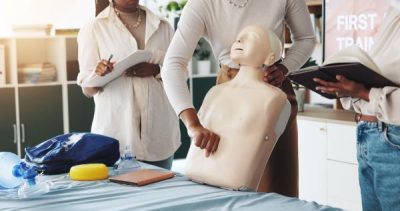
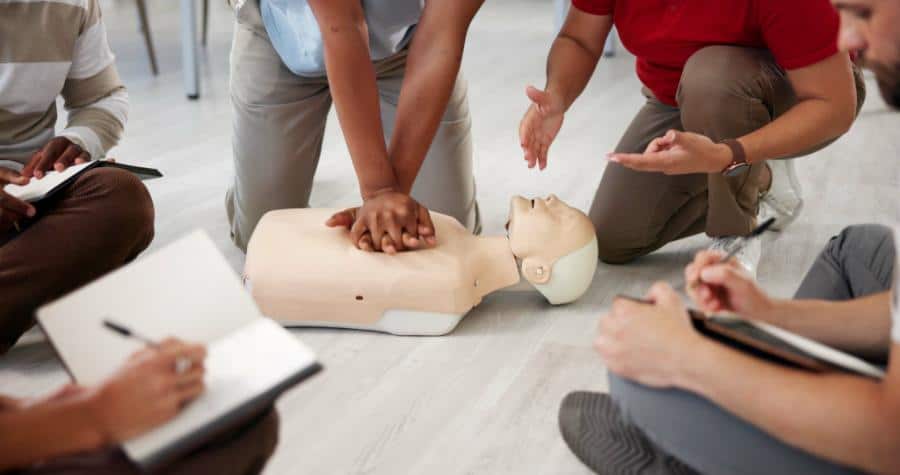
Hands-on practice is key to mastering CPR. Use manikins to simulate real-life scenarios, focusing on achieving the correct depth and rate of compressions. Practice full recoil and learn to coordinate compressions with rescue breaths. Repeated practice helps build muscle memory, ensuring you perform effectively under pressure.
Study the Written Material Thoroughly
In addition to practical skills, the CPR certification exam includes a written component. Study the provided materials thoroughly, focusing on the principles behind CPR, emergency protocols, and the role of defibrillators. Understanding the theory enhances your ability to make informed decisions during emergencies.
Utilize Online Resources and Practice Tests
Leverage online resources, such as instructional videos, interactive simulations, and practice tests. These tools reinforce learning and provide a platform to test your knowledge. Practice tests mimic the format of the actual exam, helping you identify areas that require further study.
Understand the Use of AEDs
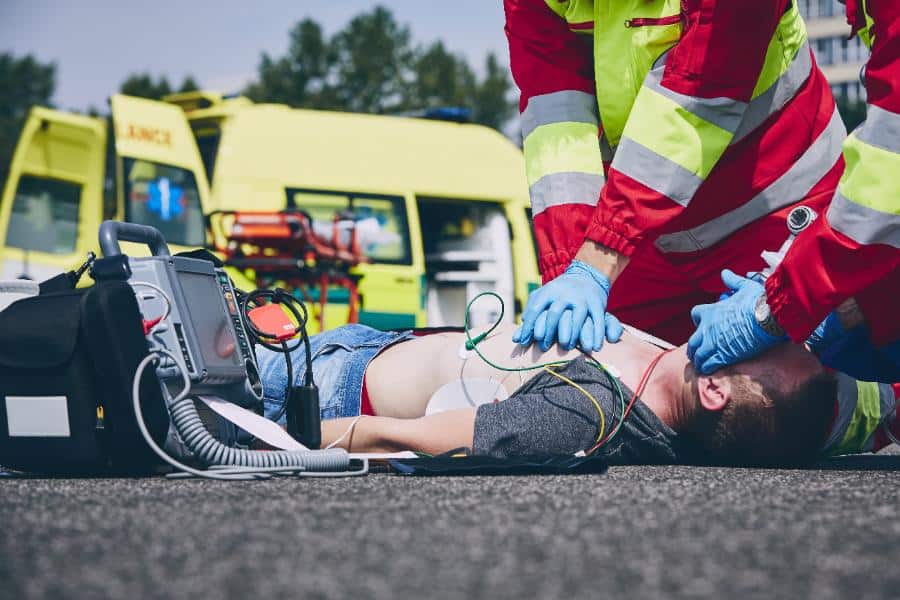
Automated External Defibrillators (AEDs) are an integral part of CPR. Familiarize yourself with the operation of AEDs, learning how to apply pads and follow the device’s prompts. Understanding the role and function of AEDs is crucial, as their use may be tested during the exam.
Stay Calm and Confident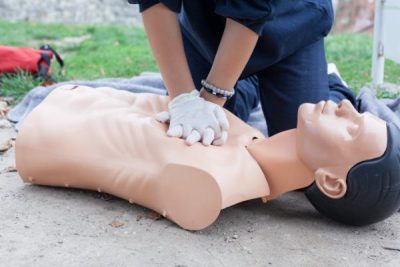
On exam day, maintain a calm and confident demeanor. Trust in your preparation and focus on each task at hand. Read questions carefully during the written exam and approach practical scenarios methodically. Confidence in your abilities enhances performance and reduces anxiety.
Seek Feedback and Continuous Improvement
After completing the course, seek feedback from instructors and peers. Constructive criticism helps identify areas for improvement, ensuring you further refine your skills. Commit to continuous learning and practice, even after certification, to keep your knowledge and techniques up to date.
Conclusion: Achieving CPR Certification Success
Preparing for a CPR certification exam requires dedication, practice, and a thorough understanding of the guidelines. By enrolling in a comprehensive course, practicing regularly, and utilizing available resources, you can approach the exam with confidence. Remember, achieving certification is not just about passing an exam—it’s about gaining the skills necessary to make a life-saving difference in emergencies. Embrace the journey and take pride in becoming a certified CPR provider, ready to respond when it matters most.