In the midst of a medical emergency, staying calm can be challenging yet crucial. Maintaining composure enables you to think clearly and act effectively, potentially saving lives. This article provides strategies to help you remain calm during such critical moments, ensuring you are prepared to handle emergencies with confidence and clarity.
Earn your CPR certification online with an easy-to-follow program that allows you to train at your own pace.
The Importance of Staying Calm
During a medical emergency, panic can cloud judgment, leading to mistakes or delays in providing essential care. Staying calm allows you to assess the situation accurately, make informed decisions, and communicate effectively with medical professionals. By controlling your emotions, you can become a reliable source of support for those in need.
Healthcare professionals can enroll in BLS certification courses that meet industry standards and employer requirements.
Understand the Situation
Begin by assessing the nature of the emergency. Determine the severity of the situation and the immediate risks involved. Understanding what is happening helps you prioritize actions and allocate resources efficiently. Take a deep breath and focus on gathering information, such as the number of people affected and the symptoms they are experiencing.
Sign up for BLS classes in Phoenix to receive hands-on skills practice and a nationally recognized certification close to home.
Call for Help
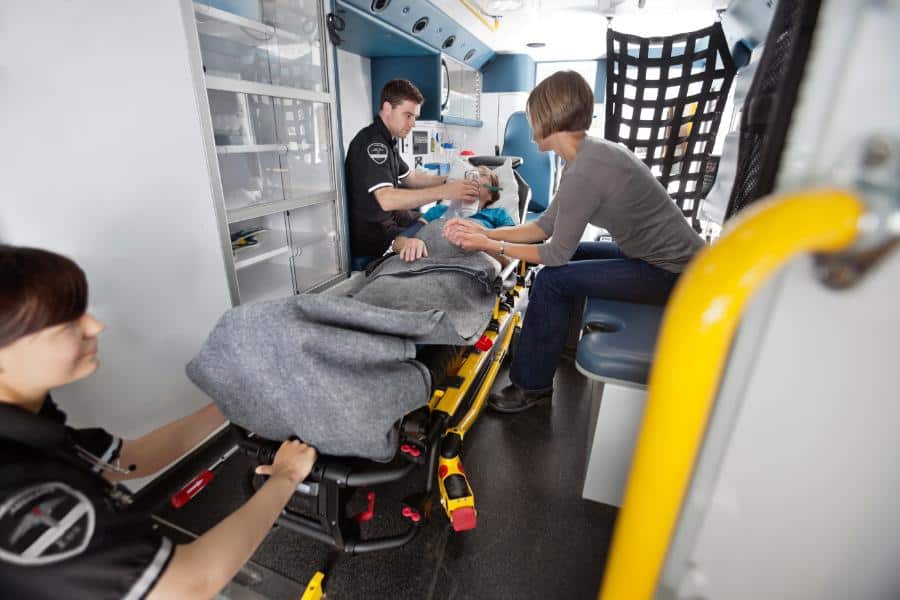
Once you’ve assessed the situation, contact emergency services immediately. Clearly and calmly provide them with essential details, including your location, the nature of the emergency, and any specific instructions they should know. Early communication with medical professionals ensures that help is on the way, allowing you to focus on providing any necessary first aid in the interim.
 Apply Basic First Aid
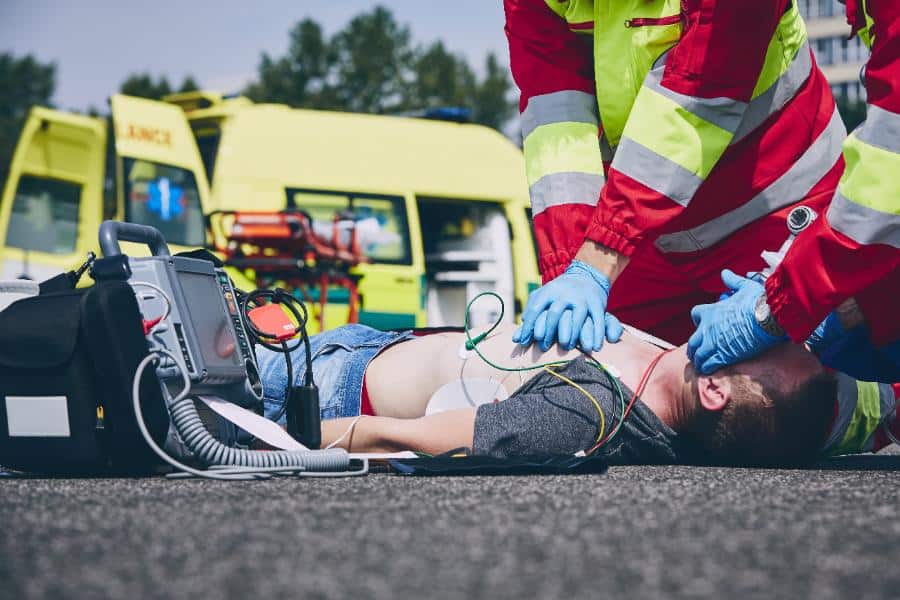
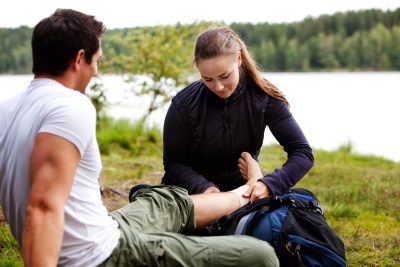
While waiting for professional help, applying basic first aid can make a significant difference. Familiarize yourself with key techniques such as CPR, wound care, and the Heimlich maneuver. Having these skills ready reduces anxiety and empowers you to take proactive steps, knowing you are providing effective care.
Practice Deep Breathing
Deep breathing is a powerful tool for maintaining calmness. It helps regulate your heart rate and clear your mind. Inhale slowly through your nose, hold your breath for a few seconds, and then exhale through your mouth. Repeating this process several times can reduce stress and increase your ability to focus on the task at hand.
Stay Positive and Focused
Keeping a positive mindset can influence the outcome of an emergency situation. Remind yourself that staying calm is beneficial and that your efforts can make a difference. Concentrate on what you can do rather than what is beyond your control. This focus can help prevent feelings of helplessness and encourage effective action.
Communicate Effectively
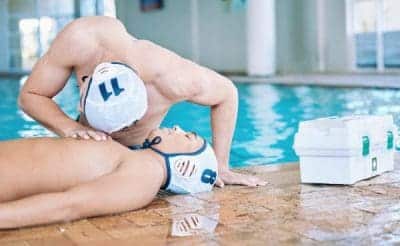
Clear communication is essential during a medical emergency. Speak in concise, calm tones, and listen carefully to instructions from medical professionals. If you are with others, delegate tasks to ensure that everyone contributes effectively. Assign roles such as guiding emergency personnel to the scene or gathering medical information on the affected individual.
Prepare Mentally and Physically
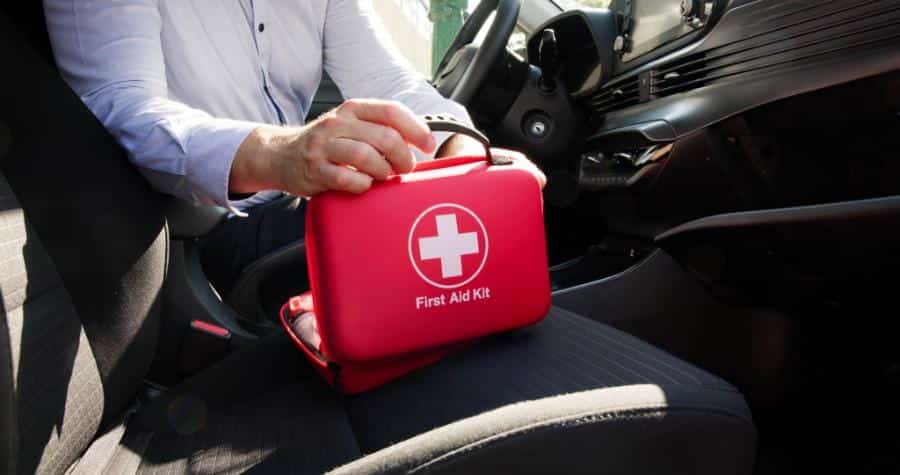
Preparation is key to staying calm during emergencies. Regularly review emergency procedures and keep a first aid kit readily available. Consider participating in emergency response training courses to build confidence and competence. Familiarity with emergency protocols reduces uncertainty and enhances your ability to respond effectively.
Reflect and Learn
After the emergency has passed, take time to reflect on the experience. Evaluate what went well and identify areas for improvement. Sharing your experiences with others can also provide valuable insights and encouragement. Continuous learning and reflection ensure that you are better prepared for future emergencies.
Conclusion: Mastering Calmness in Crisis
Staying calm during a medical emergency is a skill that can be developed with practice and preparation. By understanding the situation, applying basic first aid, and maintaining a positive mindset, you can effectively manage crises. Remember, your calm demeanor can provide reassurance and support to those affected, making a meaningful impact when it matters most. Equip yourself with knowledge and confidence, ready to face any emergency with composure.