When we imagine a heart attack, the image is often cinematic: a person suddenly clutches their chest, grimaces in agony, and collapses to the floor while dramatic music plays. While this scenario certainly happens, the reality of a myocardial infarction—the medical term for a heart attack—is often far more subtle, insidious, and confusing. This discrepancy between expectation and reality is dangerous. It leads to hesitation, and when it comes to heart health, time is the single most valuable currency you have.
With flexible scheduling, our cpr online classes allow you to complete your training anytime and from anywhere.
Recognizing the signs of a heart attack isn’t just about identifying pain; it is about listening to the quiet, urgent whispers of your body before they turn into a scream. Understanding these signals can mean the difference between a full recovery and permanent damage, or life and death. By familiarizing yourself with the full spectrum of symptoms—from the crushing pressure to the unexplained fatigue—you empower yourself to act decisively when seconds count.
Stay current and confident by enrolling in our fast and convenient cpr recertification program before your credentials expire.
Understanding the Warning Signals: It’s Not Always Dramatic
A heart attack occurs when the flow of oxygen-rich blood to a section of heart muscle suddenly becomes blocked and the heart can’t get oxygen. If blood flow isn’t restored quickly, that section of heart muscle begins to die. The body reacts to this crisis in various ways, and not all of them are centered immediately on the heart itself. The nervous system is complex, and pain signals can radiate, masquerade as indigestion, or manifest as sheer exhaustion.
Residents looking for cpr certification gilbert az can count on our nearby classes for trusted, high-quality instruction.
To truly protect yourself and your loved ones, we need to look beyond the stereotype of the “Hollywood Heart Attack” and understand the nuanced language of cardiovascular distress.
The Characteristic Chest Discomfort
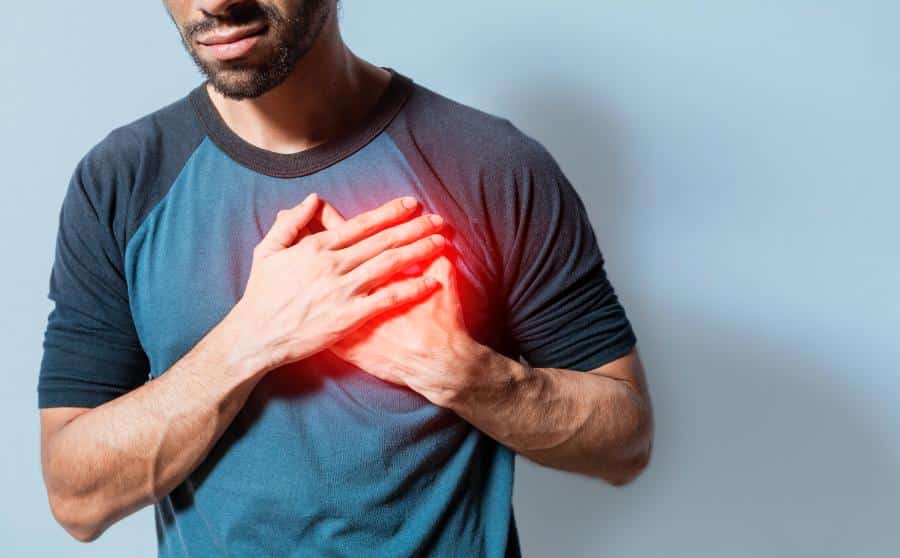
While it doesn’t always happen, chest discomfort remains the most common sign of heart danger. However, looking only for “pain” can be misleading. Many survivors describe the sensation not as sharp or stabbing, but as an immense, uncomfortable pressure. It often feels like a squeezing sensation, a fullness, or a heavy weight—as if an elephant were sitting directly on the center of the chest.
This discomfort usually lasts for more than a few minutes, or it may go away and come back. It can be mild or severe. If you experience a persistent, viselike grip in the center or left side of your chest that doesn’t resolve with rest or shifting position, this is a red flag that requires immediate attention.
 Discomfort Radiating to the Upper Body
The heart shares nerve pathways with other parts of the body, which can lead to “referred pain.” This is why a heart attack often announces itself in areas seemingly unrelated to the chest. You might feel pain or discomfort spreading from the chest to the shoulders, arms (most commonly the left, but potentially both), the back, the neck, or even the jaw.
Be particularly wary of jaw pain that arises without a dental cause, or a dull ache between the shoulder blades that feels like a strained muscle but has no clear origin. If this upper body discomfort appears suddenly and is accompanied by a general sense of unease, do not ignore it.
Shortness of Breath and “Air Hunger”
Imagine the feeling of having run a sprint, gasping for air with your lungs burning. Now, imagine feeling that way while sitting perfectly still on your living room couch. Shortness of breath can occur with or without chest discomfort and is a major indicator that the heart is struggling to pump blood effectively.
This symptom, often described as “air hunger,” can be terrifying. It may come on suddenly, waking you from sleep, or it may develop gradually after mild exertion that wouldn’t normally tire you out. If you find yourself unable to catch your breath for no apparent reason, treat it as a medical emergency.
Nausea, Indigestion, and Stomach Pain
One of the most dangerous masquerades of a heart attack is gastrointestinal distress. Because the heart rests just above the stomach, signals can get crossed. Many people, particularly women, experience nausea, vomiting, or a burning sensation in the upper abdomen that feels exactly like heartburn or indigestion.
Tragically, many people reach for antacids instead of a phone to call emergency services. If you experience sudden, severe nausea or stomach pain that isn’t related to something you ate—especially if it accompanies other symptoms like lightheadedness or chest pressure—err on the side of caution. It is better to be embarrassed at the ER for a false alarm than to ignore a cardiac event.
The “Cold Sweat” and Lightheadedness
Breaking out in a cold sweat without physical exertion is a classic, yet often overlooked, sign of a heart attack. This isn’t the warm sweat of a workout; it is a clammy, cool sheen that covers the skin, often accompanied by a pale or grayish complexion. This happens because the sympathetic nervous system activates a “fight or flight” response to the heart’s distress.
Simultaneously, you may feel sudden lightheadedness or dizziness. As the heart struggles to pump, blood pressure can drop, leading to a feeling of faintness. If the room starts to spin or you feel you might pass out, sit down immediately and call for help.
The Silent Heart Attack and Signs in Women
It is vital to note that biology plays a role in how symptoms present. Women are somewhat more likely than men to experience some of the other common symptoms, particularly shortness of breath, nausea/vomiting, and back or jaw pain. Women are also more prone to extreme, unexplained fatigue—a tiredness so profound that making a bed or walking to the mailbox feels like climbing a mountain. This fatigue can set in days or even weeks before the actual attack.
Furthermore, “silent” heart attacks can occur with no symptoms, or symptoms so mild they are ignored. These are more common in people with diabetes, whose nerve endings may not transmit pain signals as sharply. Regular check-ups are the only way to detect the damage left behind by these silent events.
Acting on the Signs: What to Do Next
If you suspect you or someone else is having a heart attack, the rule is simple: act fast. Do not wait to see if the symptoms pass. Do not drive yourself to the hospital. Call 911 or your local emergency number immediately.
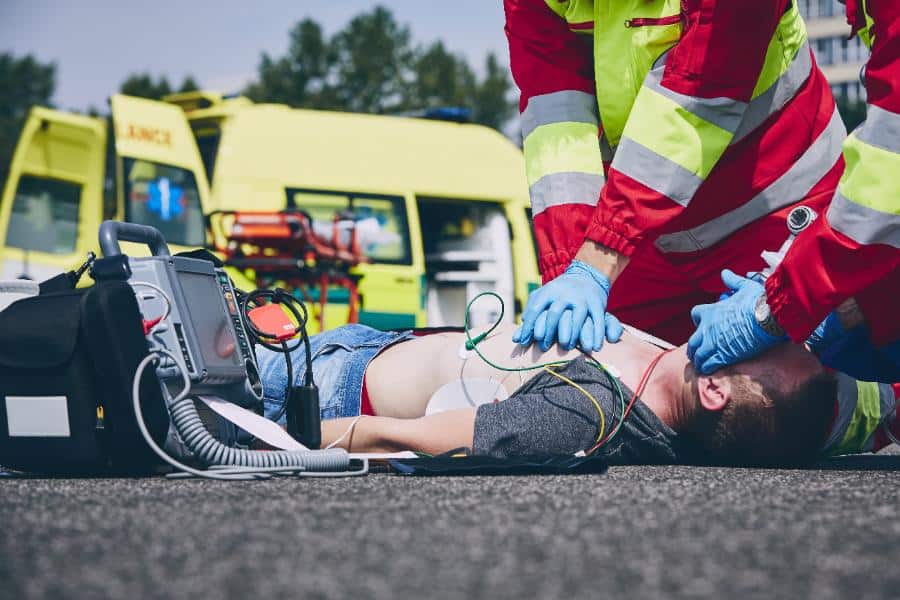
Emergency medical services (EMS) staff can begin treatment as soon as they arrive—up to an hour sooner than if you got to the hospital by car. They are also trained to revive someone whose heart has stopped. While waiting for help, if the person is conscious and not allergic, chewing an aspirin can help thin the blood and improve flow.
Your heart works tirelessly for you every second of every day. By learning its language and recognizing these signs, you can be the hero in your own story, ensuring that a heart attack is a chapter you survive, not the end of the book.