Being prepared for emergencies is crucial, and having a family emergency plan can make all the difference when unforeseen events occur. A well-thought-out plan ensures that every family member knows their role and can respond effectively, reducing panic and confusion. This guide provides step-by-step instructions on creating a comprehensive family emergency plan that prioritizes safety and peace of mind.
Parents and caregivers benefit from our specialized infant cpr classes that focus on choking relief and infant-specific techniques.
Understanding the Importance of a Family Emergency Plan
An emergency plan is a strategic approach to managing unexpected situations, such as natural disasters, fires, or medical emergencies. By preparing in advance, families can ensure swift and organized responses, minimizing the impact of the event. A good plan fosters confidence and resilience, empowering family members to act decisively and safely.
Sign up for bls certification phoenix courses designed specifically for healthcare professionals and first responders.
Assess Potential Risks
Begin by identifying the potential risks and emergencies that could affect your family. Consider natural disasters common in your area, such as hurricanes, earthquakes, and floods, as well as other emergencies, such as fires or power outages. Understanding these risks will help you tailor your plan to address specific scenarios, ensuring comprehensive preparedness.
If you prefer hands-on instruction, our cpr and first aid classes in person provide practical, instructor-led training in a supportive environment.
Establish Communication Strategies
Communication is vital during emergencies. Create a communication plan that includes multiple methods of staying in touch, such as phone, text, or social media. Designate a primary and secondary contact outside your immediate area who can relay information if local communication is disrupted. Ensure every family member has a list of important contacts saved on their phone and written down.
Designate Safe Meeting Spots
 Identify safe meeting locations both within and outside your neighborhood. Choose a nearby spot for quick evacuations, such as a neighbor’s house or a local park, and a more distant location for larger-scale emergencies. Ensure all family members know these locations and practice traveling to them from different starting points to reinforce their familiarity.
Assemble Emergency Kits
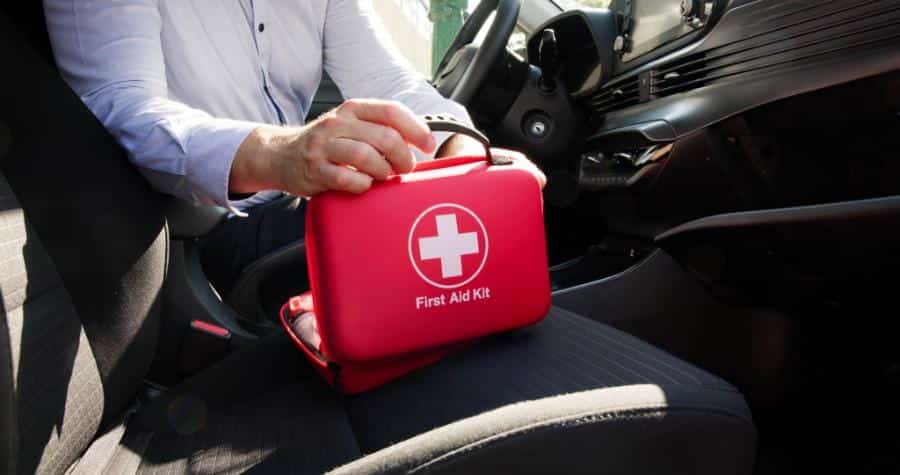
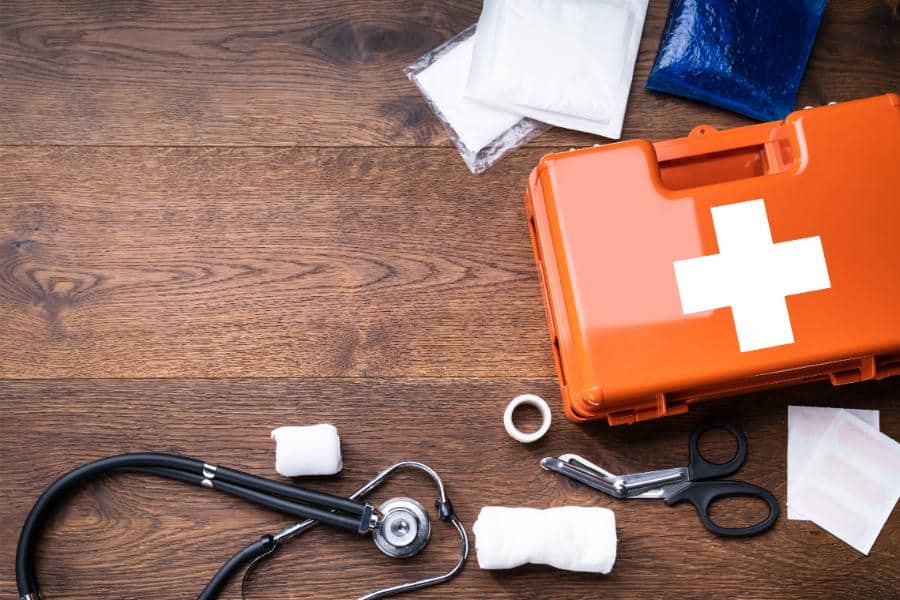
Prepare emergency kits that contain essential supplies for each family member. These kits should include non-perishable food, water, a flashlight, batteries, a first-aid kit, medications, personal hygiene items, and copies of important documents. Store them in easily accessible locations, such as the car, home, and workplace, so you’re ready wherever you are.
Plan for Special Needs
Consider any special needs within your family, such as medical conditions or mobility challenges. Make arrangements for necessary medical equipment, medications, and accessibility during an evacuation. Include planning for pets, ensuring they have food, water, and a safe place to stay.
Conduct Regular Drills
Practice makes perfect, and regular drills are essential for reinforcing your emergency plan. Conduct drills for different scenarios, such as evacuating the home or contacting family members. Use these drills to identify any weaknesses in your plan and make necessary adjustments. Involving everyone in the practice sessions ensures that each family member is comfortable with their role.
Review and Update the Plan

Your emergency plan should be a living document that evolves with your family’s needs and circumstances. Review and update it annually or after any significant changes, such as moving to a new home or changes in family size. Ensure that all contact information is up to date and that emergency kits are replenished and in good condition.
Educate and Empower Family Members
Ensure that every family member understands the emergency plan and their responsibilities. Empower children by teaching them how to dial emergency numbers and recognize alarms. Encourage open discussions about safety and preparedness to foster a proactive mindset that prioritizes well-being.
Conclusion: Be Prepared for Peace of Mind
Creating a family emergency plan is a proactive step towards ensuring safety and security in the face of unexpected events. By assessing risks, establishing communication and evacuation strategies, and conducting regular drills, families can respond effectively to emergencies. This preparation not only protects loved ones but also provides peace of mind, knowing that you are ready to face any challenge with confidence and resilience. Start building your family emergency plan today, and invest in the safety and well-being of those you hold dear.