Cardiopulmonary resuscitation (CPR) is more than just a medical procedure; it is a life-saving skill accessible to everyone. In emergencies, knowing how to perform CPR can dramatically alter outcomes, saving lives that might otherwise be lost. This article explores the profound impact of CPR training and why it is crucial for individuals across all walks of life.
Our comprehensive first aid CPR training equips you with the skills needed to respond quickly and effectively in emergency situations.
The Life-Saving Power of CPR
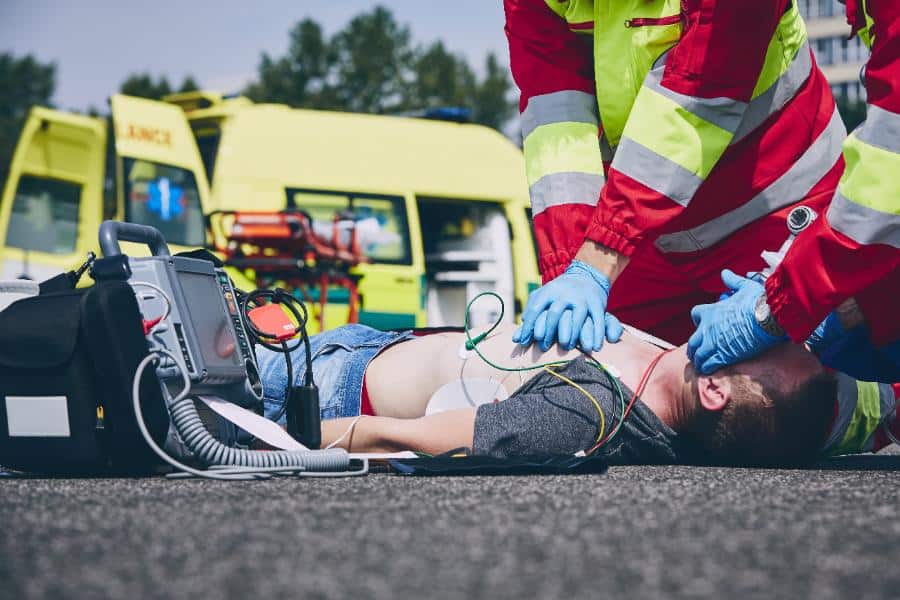
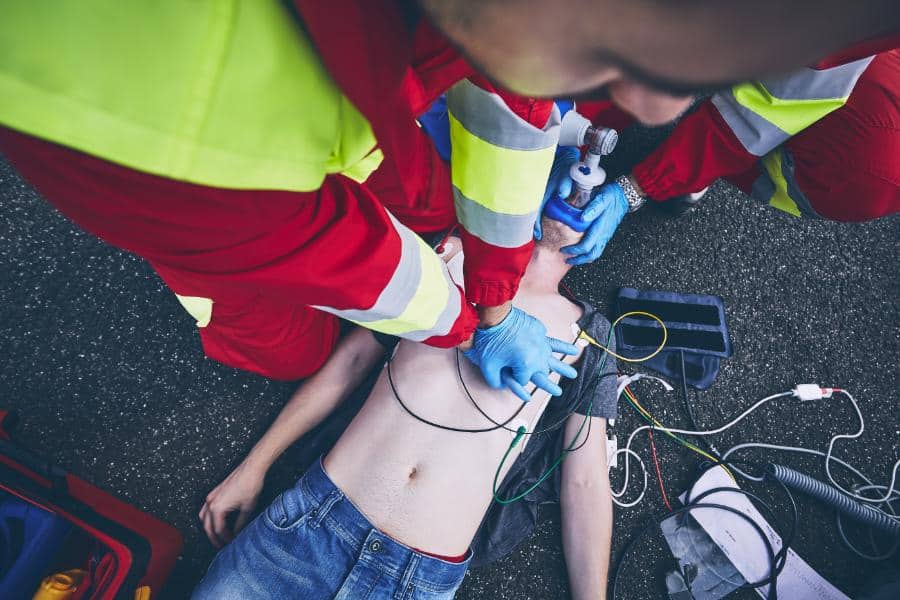
CPR is a technique that combines chest compressions with artificial ventilation to maintain circulatory flow and oxygenation during cardiac arrest. Its importance cannot be overstated, as it serves as the first line of defense in medical emergencies involving heart failure.
Enroll in first aid and CPR classes to learn lifesaving techniques that protect your family, coworkers, and community.
The Immediate Impact of CPR
When a person experiences cardiac arrest, their survival largely depends on the speed and effectiveness of the response. Here’s how CPR makes a critical difference:
- Restoring Blood Flow: CPR helps to maintain blood flow to vital organs, particularly the brain, reducing the risk of permanent damage.
- Time to Professional Care: By sustaining life until professional medical help arrives, CPR provides a critical bridge in the chain of survival.
- Increased Survival Rates: Studies show that immediate CPR can double or triple a victim’s chance of survival, highlighting its significance.
Ready to get CPR certified? Our flexible courses make it easy to complete training on your schedule.
Who Can Benefit from CPR Training?
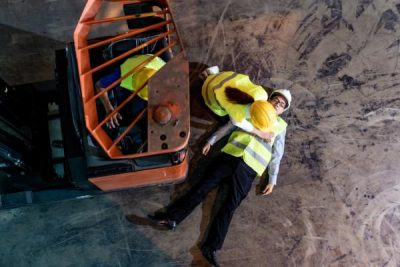 CPR is not just for healthcare professionals. Its benefits extend to all members of society, including:
- Parents and Caregivers: Ensuring the safety of children and the elderly in homes and care facilities.
- Teachers and Coaches: Protecting students and athletes in schools and sports fields.
- Workplace Safety Personnel: Enhancing safety measures within businesses and organizations.
Breaking Down CPR Training
Understanding what CPR training entails can encourage more people to participate. Here’s a breakdown of typical training components:
- Basic Life Support (BLS): Learning the core principles of CPR, including chest compressions and rescue breaths.
- AED Usage: Training in the use of Automated External Defibrillators, crucial devices often found in public spaces.
- Scenario-Based Practice: Engaging in realistic scenarios to build confidence and competence.
Overcoming Barriers to CPR Training
Despite its importance, several barriers prevent people from learning CPR. Addressing these can increase participation:
- Cost Concerns: Many organizations offer free or low-cost training sessions to make CPR accessible to all.
- Time Constraints: Online courses and flexible scheduling can accommodate busy lifestyles.
- Fear of Inadequacy: Emphasizing that even imperfect CPR is better than no attempt at all can encourage more people to learn.
The Role of CPR in Community Resilience
CPR training strengthens community resilience by fostering a network of individuals ready to act in emergencies. Communities with high rates of CPR-trained citizens experience lower mortality rates from cardiac events, underscoring the collective benefit of widespread training.
Conclusion: Take Action Today
The ability to perform CPR can transform bystanders into heroes. By learning CPR, individuals equip themselves with the tools to respond effectively in life-threatening situations. The peace of mind that comes with this knowledge is invaluable, ensuring that you are prepared to act swiftly and decisively.
We urge everyone to seek out CPR training opportunities. Whether through local community centers, workplaces, or online platforms, acquiring this skill is a proactive step toward contributing to a safer world. Together, we can build a society where every individual is prepared to save a life, reinforcing the vital chain of survival that CPR represents.
Don’t wait for an emergency to realize the importance of CPR. Invest in this life-saving skill today and become an essential part of the solution in safeguarding lives and enhancing community well-being.