First aid is an essential skill that can make a significant difference in emergency situations. Whether you’re at home, at work, or on the go, knowing how to administer basic first aid can save lives and prevent minor injuries from becoming severe. This beginner’s guide to first aid provides valuable insights into fundamental techniques and practices, empowering you to act confidently in emergencies.
Complete your AED certification to learn proper defibrillator use and improve survival outcomes in cardiac events.
The Importance of First Aid Knowledge
First aid is the initial assistance given to a person experiencing a sudden illness or injury. Understanding first aid not only helps minimize the severity of an injury but also stabilizes the patient until professional medical help arrives. By equipping yourself with basic first aid skills, you become a valuable resource in crisis situations, capable of providing immediate care.
Our infant CPR training focuses on choking relief and resuscitation techniques specifically for babies and young children.
Essential First Aid Supplies
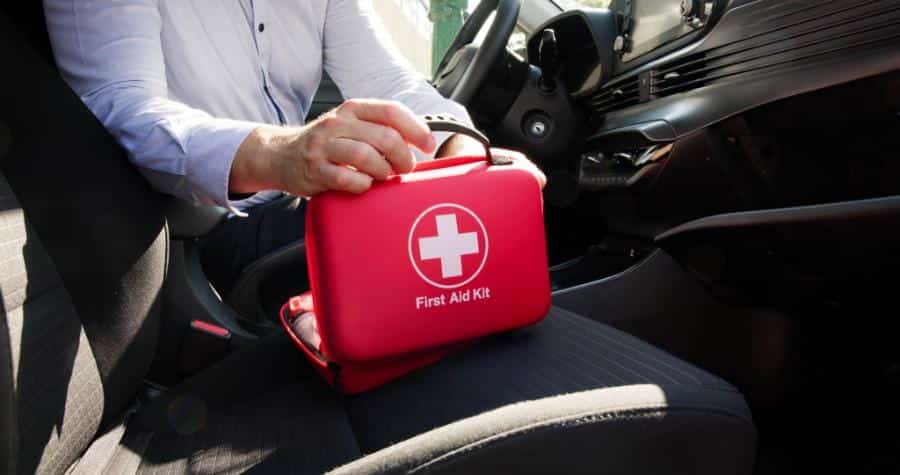
Every first aid kit should contain essential supplies to address a variety of emergencies. Key items include adhesive bandages, sterile gauze pads, antiseptic wipes, adhesive tape, scissors, tweezers, and a CPR face shield. Additionally, including a first aid manual or guide ensures you have quick access to instructions when needed. Regularly check and replenish your kit to keep it fully stocked and ready for use.
Looking for a first aid and CPR course near me? We offer both local classroom sessions and blended learning options.
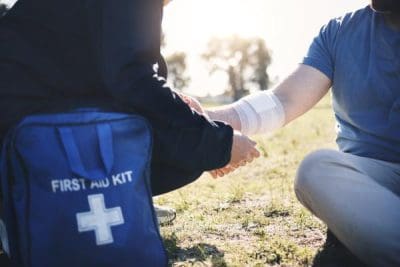
Basic First Aid Techniques
Understanding some basic first aid techniques is crucial for addressing common injuries and emergencies. Here are a few fundamental skills every beginner should know:
1. Treating Cuts and Scrapes
For minor cuts and scrapes, begin by cleaning the wound with mild soap and water. Apply an antiseptic to prevent infection, then cover the area with a sterile bandage. For deeper cuts, apply pressure to stop bleeding and seek medical attention if necessary.
2. Managing Burns
In case of a burn, cool the affected area under running water for at least 10 minutes. Avoid using ice, as it can damage the skin. Cover the burn with a sterile, non-stick dressing and seek medical attention for severe burns or if blisters form.
3. Performing CPR
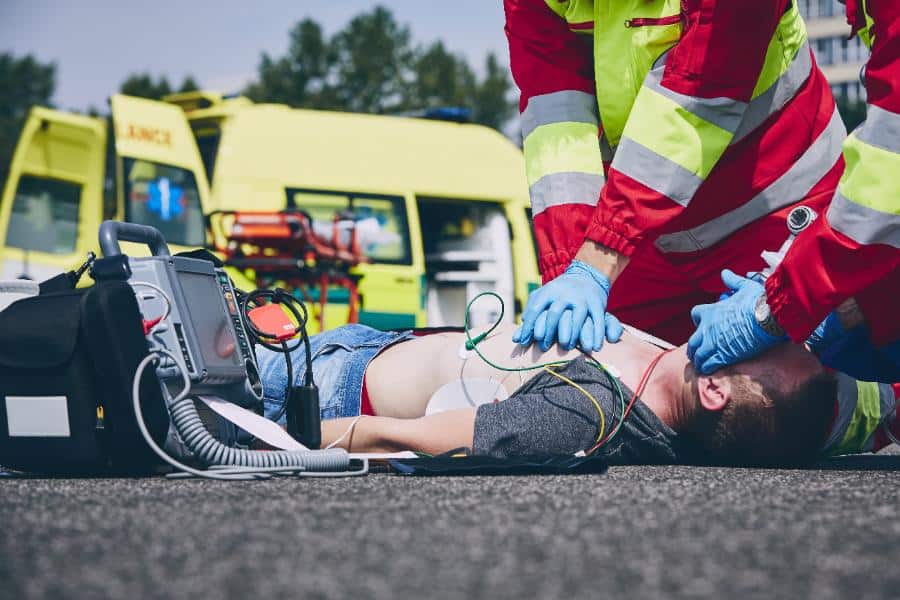
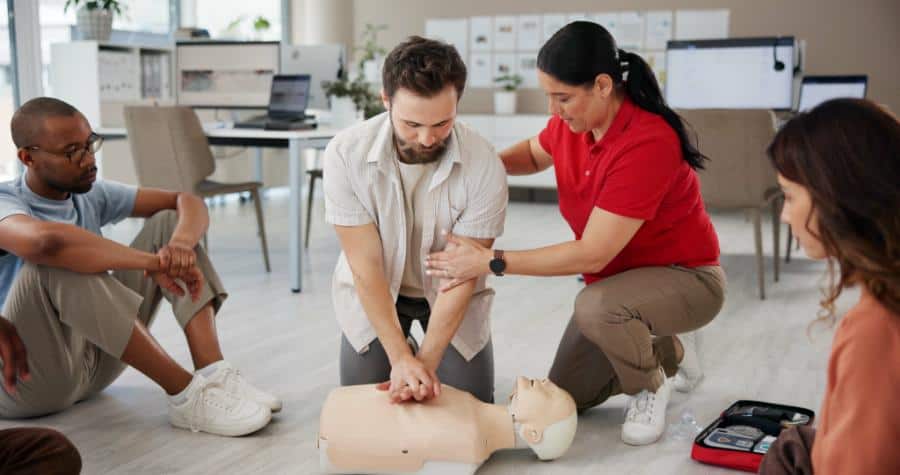
CPR is a vital skill for reviving someone who has stopped breathing or whose heart has stopped. Begin by checking the victim’s responsiveness and calling emergency services. Perform chest compressions at a rate of 100-120 per minute, pressing down hard and fast in the center of the chest. If trained, provide rescue breaths between compressions.
4. Addressing Choking
For choking adults and children, use the Heimlich maneuver. Stand behind the person, wrap your arms around their waist, and deliver upward abdominal thrusts. For infants, alternate between back blows and chest thrusts. If the airway remains blocked, seek immediate medical help.
 Dealing with Specific Situations
First aid can vary depending on the situation. Being prepared to handle specific emergencies ensures you are ready for diverse scenarios:
1. Recognizing Signs of Shock
Shock is a critical condition that can follow severe injuries or blood loss. Signs include pale, cold, clammy skin, rapid breathing, and a weak pulse. Keep the person warm, elevate their legs, and seek emergency medical assistance immediately.
2. Handling Sprains and Strains
For sprains and strains, remember the R.I.C.E. method: Rest, Ice, Compression, and Elevation. Apply ice packs wrapped in cloth to reduce swelling, use a bandage for compression, and elevate the injured area to minimize swelling.
Conclusion: Empowering Yourself with First Aid Skills
Acquiring basic first aid knowledge is a vital step in becoming prepared for emergencies. With the right training and supplies, you can manage common injuries and stabilize patients until professional help arrives. By understanding essential techniques and staying informed, you enhance your ability to respond effectively, ensuring your safety and that of those around you. Remember, the power of first aid lies in its ability to save lives and build confidence in challenging situations. Start your journey today and become a first aid hero.