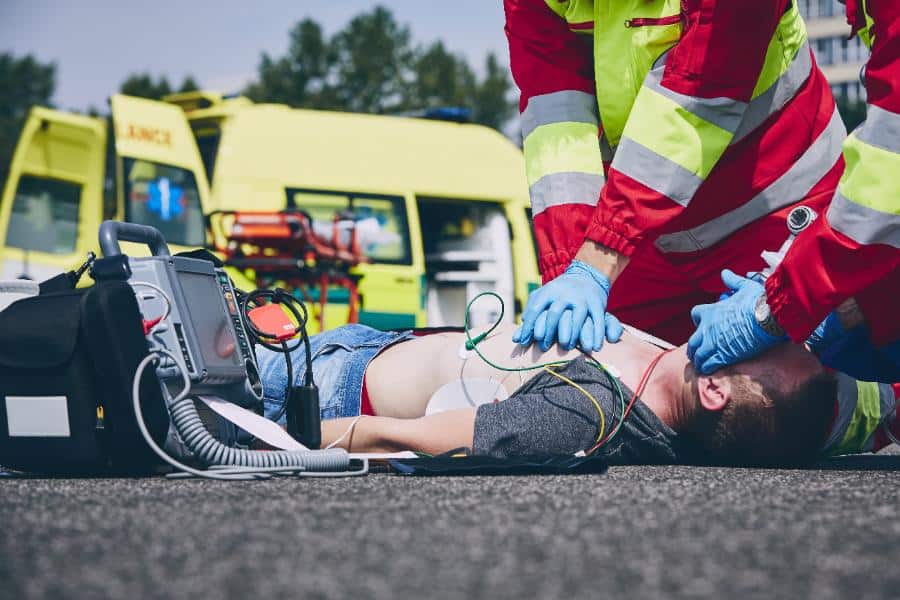
Emergency response is often taught as a standardized script: “Check the scene, check the victim, call 911, push hard and fast.” This uniformity is its strength, ensuring that in the chaos of a crisis, we fall back on a universal protocol. However, humanity is not uniform. When a medical emergency strikes an individual with physical disabilities, sensory processing disorders, or unique anatomical challenges, the standard script may need to be rewritten in real-time.
Complete your cpr and first aid certification online quickly and conveniently with our nationally recognized courses.
CPR Techniques
Adapting CPR for special needs isn’t about abandoning the core principles of life support—circulation and oxygenation remain the goals. Instead, it is about the intelligent application of those principles to fit the unique reality of the patient. Whether you are a parent, a caregiver, or a concerned bystander, understanding these nuances transforms you from a rigid follower of rules into a flexible, effective problem solver.
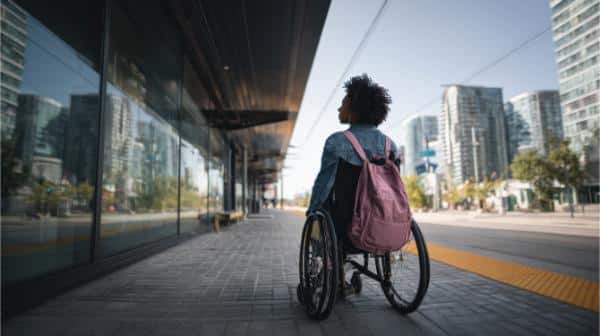
The Challenge of Mobility: CPR for Wheelchair Users
One of the most common dilemmas in emergency response is how to perform CPR on someone in a wheelchair. The gold standard for effective chest compressions is a hard, flat surface. A wheelchair seat is often soft, and the backrest may have “give,” which absorbs the force of your pushes, rendering them ineffective. If a person in a wheelchair suffers cardiac arrest, the priority is to get them to the floor.
This is a delicate operation. If you are alone, you may need to unlock the brakes and pull the person forward by their hips, letting them slide down your legs to the ground to protect their head. It is not graceful, and it may feel aggressive, but speed is life. If the wheelchair is motorized or too heavy to move, and getting them out is impossible, you must improvise. Recline the chair as far as possible and place something hard—a clipboard, a serving tray, or even a hardback book—behind their back to create resistance. It is not perfect, but it allows you to generate the pressure needed to pump the heart.
Sensory Considerations: Calm in the Chaos
For individuals with autism or sensory processing disorders, the chaos of a medical emergency can be overwhelming. While a person in full cardiac arrest will be unconscious, the moments leading up to it—or the moments after resuscitation—are critical. The flashing lights, the sirens, and the shouting of rescuers can trigger a meltdown or a “shutdown” response, complicating care.
If you are treating a conscious victim with special needs who is choking or in distress, try to minimize the sensory assault. Speak in a low, calm, and rhythmic voice. Narrate your actions before you touch them: “I am going to put my hands on your chest now.” Avoid sudden, jerky movements. If bystanders are crowding the scene, ask them to step back not just for space, but to reduce the wall of noise. Creating a “bubble of calm” can prevent panic from escalating into a dangerous physical struggle.
Anatomical Differences and Fragility
Individuals with conditions like cerebral palsy, scoliosis, or osteogenesis imperfecta (brittle bone disease) may have chest deformities or fragile skeletal structures. The standard placement for CPR hands—center of the chest, lower half of the sternum—might need adjustment if the chest is significantly curved or asymmetrical.
In these cases, your goal is to find the point of maximum compression over the heart. You may need to adjust your angle to push perpendicular to the chest wall. Be aware that ribs may break more easily in these individuals. This is a terrifying sound and sensation, but you must not stop. A broken rib heals; a stopped heart does not. Continue compressions with the understanding that you are trading a skeletal injury for a chance at survival.
Adapting for the Rescuer with Disabilities
Adaptation goes both ways. What if the rescuer has a disability? A person with limited arm strength or one who uses a wheelchair themselves can still be a vital link in the chain of survival. If you cannot perform standard chest compressions from a kneeling position, you can perform them from a seated position (if the victim is on a raised surface like a bed) or use your own body weight more aggressively if you have limited muscle power.
More importantly, a rescuer with physical limitations can be the “Command Voice.” They can direct others to perform the physical labor—”You, put your hands here, push to this beat”—while they manage the scene, call 911, and monitor the victim’s airway. Being the brain of the operation is just as valuable as being the hands.
Advanced Planning for Caregivers
For those who live with or care for someone with special needs, preparation is the ultimate adaptation. Don’t wait for the emergency to figure out the logistics. Practice “drills” that are specific to your loved one’s needs. If they have a feeding tube or a tracheostomy, talk to their doctor about how these devices impact CPR.
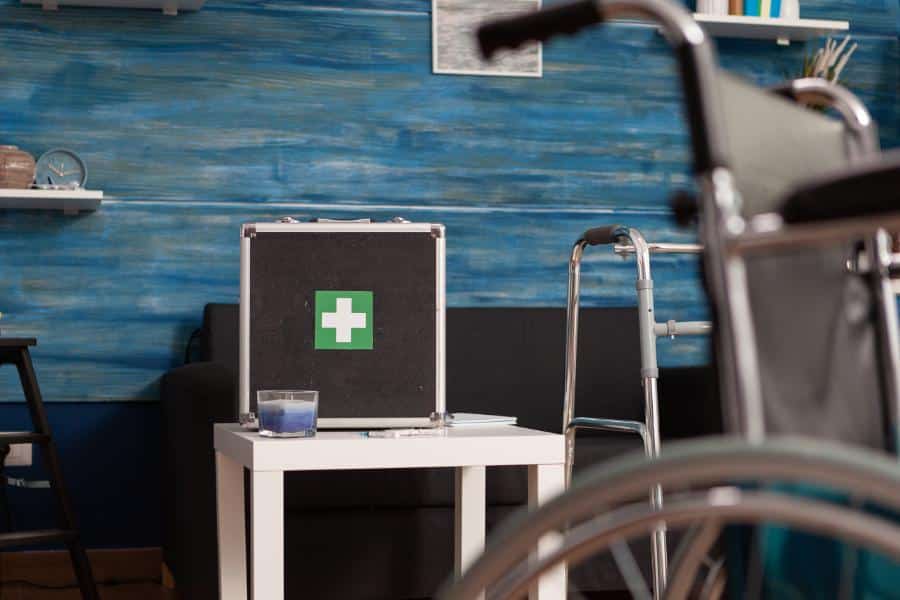
Keep a “go-bag” on their wheelchair or in their room with a laminated card detailing their medical baseline. This card can speak for them when you are too busy performing CPR to answer a paramedic’s questions. By anticipating the complications, you remove the hesitation, allowing you to act with the speed and confidence that saves lives.