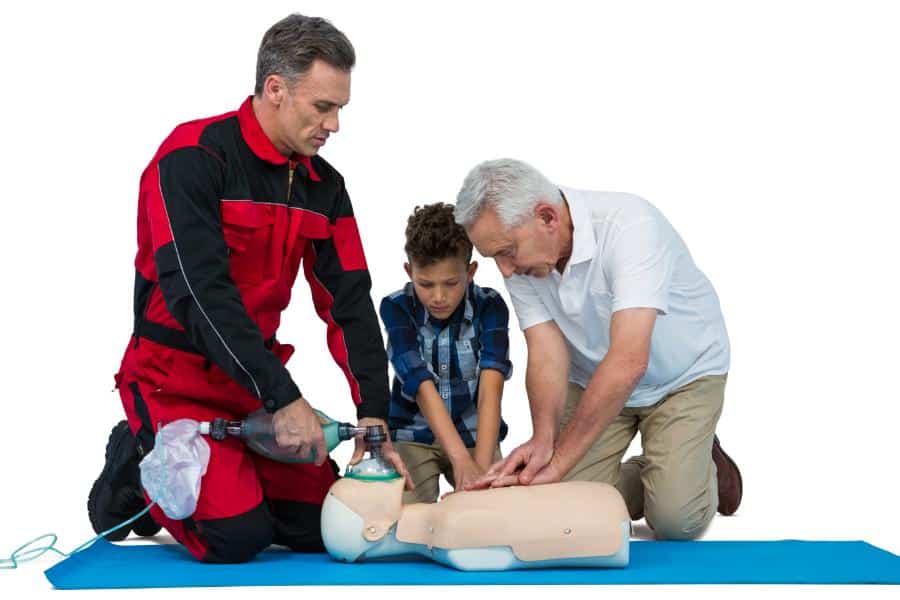
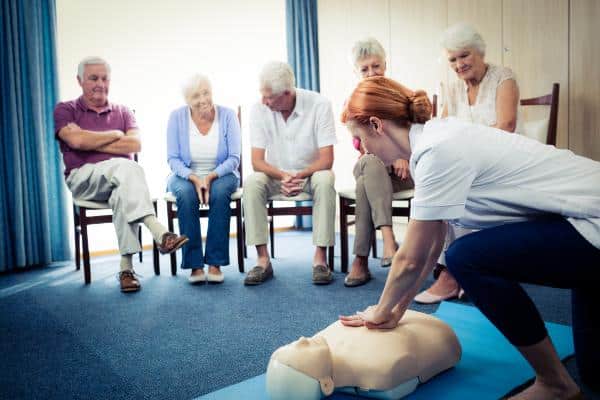
When we picture a CPR class, we often imagine young parents preparing for a new baby or lifeguards training for summer duty. We rarely picture a room full of retirees. Yet, seniors are perhaps the most critical demographic when it comes to cardiac emergency preparedness. As we age, the risk of heart disease and sudden cardiac arrest increases naturally. The people most likely to witness a cardiac event in an older adult are their spouses, friends, and neighbors—other seniors.
We proudly offer spanish cpr classes to ensure more members of the community can access lifesaving education.
CPR For Seniors
Learning Cardiopulmonary Resuscitation (CPR) is not just a skill for the young and athletic; it is a profound act of empowerment for the elderly. It transforms the “golden years” from a time of vulnerability into a time of capability. By equipping seniors with the knowledge to respond to emergencies, we are not just teaching them a technique; we are giving them the agency to protect the people they have spent a lifetime loving.
Empowering the “First” First Responders
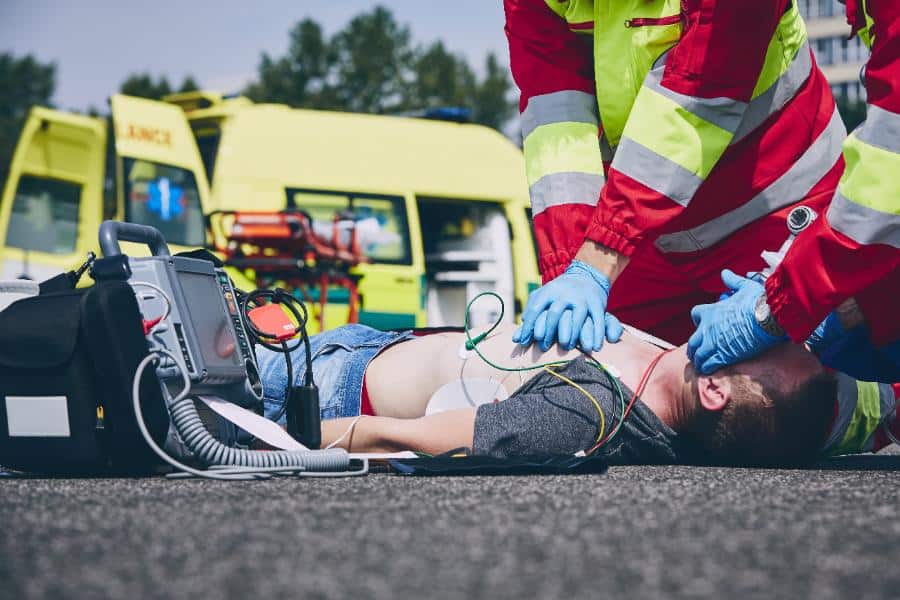
Statistics tell a clear story: the majority of cardiac arrests happen in the home. For a senior couple living independently, or for residents in a retirement community, the “first responder” is rarely a paramedic in a uniform. It is the person sitting across the breakfast table. If that person knows CPR, the survival rate can double or triple. If they don’t, the minutes spent waiting for an ambulance can be fatal.
CPR training empowers seniors to break the paralysis of fear. Instead of feeling helpless when a partner collapses, they have a plan. They know that their hands, however weathered, still hold the power to pump blood and preserve life. This shift in mindset—from passive observer to active rescuer—can significantly reduce the anxiety that often accompanies aging and health concerns.
Adapting the Technique: Brains Over Brawn
A common myth is that you need the strength of a linebacker to perform CPR. While chest compressions do require physical effort, effective CPR is more about mechanics than brute strength. Modern training emphasizes body weight over arm muscle. By locking their elbows and using their upper body weight to compress the chest, even a petite senior can generate the necessary force to circulate blood.
Furthermore, the rise of “Hands-Only CPR” has simplified the process immensely. Eliminating the need for rescue breaths reduces the physical and cognitive load, making it easier for seniors to learn and remember the steps. It focuses entirely on the most crucial element: keeping the blood moving.
The Social Ripple Effect in Retirement Communities
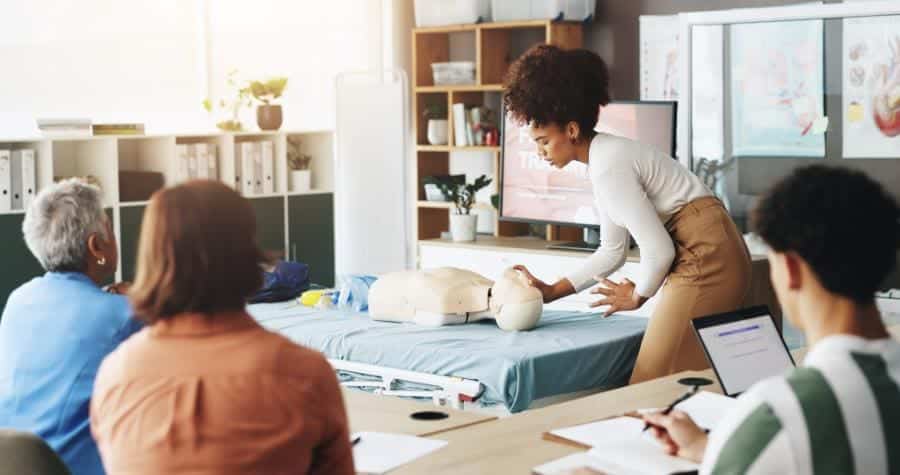
Retirement villages and senior centers are tight-knit ecosystems. When one person learns CPR, the safety of the entire group increases. However, when a group of seniors learns together, it builds a culture of communal care. Organizing CPR classes in these settings fosters social connection while teaching a life-saving skill.
It creates a “neighborhood watch” for health. Residents become more aware of the location of Automated External Defibrillators (AEDs) in their clubhouse or gym. They learn to recognize the subtle signs of a heart attack or stroke in their friends during a card game or a golf outing. This collective vigilance creates a safer environment for everyone to age in place.
Cognitive Benefits of Learning New Skills
Beyond the physical safety, learning CPR offers mental benefits. Engaging in training keeps the brain sharp. Mastering a new sequence of actions, understanding the physiology of the heart, and practicing with an AED provides valuable cognitive stimulation. It challenges the mind to stay active and alert.
The confidence gained from mastering a new, technical skill can also combat feelings of irrelevance or dependency that some seniors struggle with. It reinforces the truth that they are still capable, valuable contributors to their community’s well-being.
Grandparents as Guardians
Many seniors play an active role in caring for their grandchildren. Whether they are babysitting for an evening or providing daily after-school care, they are the guardians of the next generation. CPR training often includes modules on infant and child relief of choking and resuscitation.
Knowing how to handle a choking emergency with a toddler gives grandparents peace of mind. It allows them to enjoy their time with the little ones without the nagging fear of “what if.” It is the ultimate gift a grandparent can give—the promise that they are prepared to protect their legacy at a moment’s notice.
Breaking the “Too Old” Stigma
Finally, seniors learning CPR challenges the ageist assumption that emergency response is a young person’s game. It sends a powerful message: age does not diminish the value of a life, nor the ability to save one. Every senior who gets certified becomes a beacon of resilience, proving that as long as we are breathing, we have the capacity to help others breathe, too.