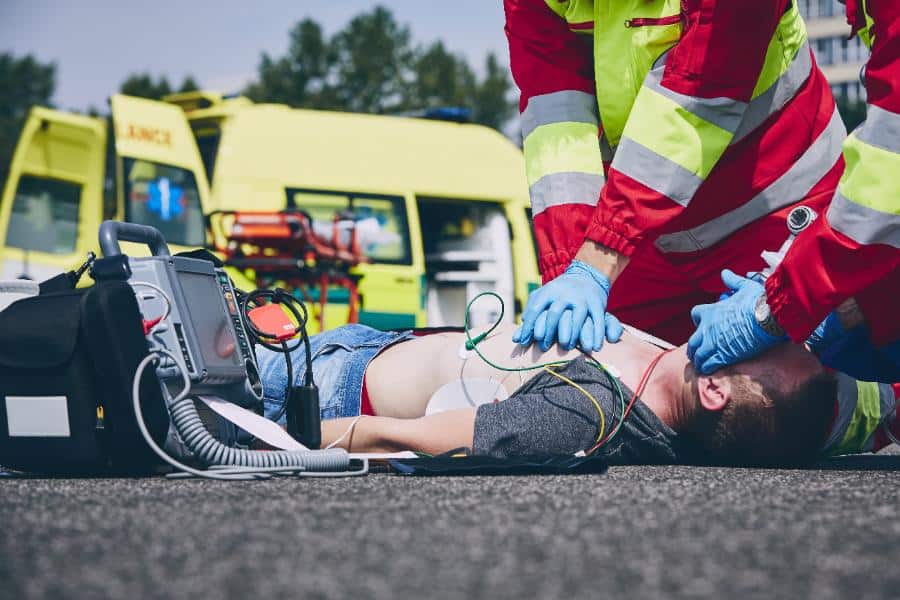
First aid kits are essential tools that provide immediate care in emergencies, helping to prevent infections and reduce the severity of injuries. From homes and offices to vehicles and outdoor adventures, the right first-aid kit ensures preparedness for a range of situations. This article explores the different types of first aid kits and the unique components each contains, providing insights into their specific uses and benefits.
Our comprehensive first aid CPR training equips you with the skills needed to respond quickly and effectively in emergency situations.
The Importance of Having a First Aid Kit
Having a well-stocked first aid kit is crucial for handling minor injuries and stabilizing more serious ones until professional medical help arrives. These kits empower individuals to act confidently and effectively in emergencies, making them indispensable in various settings.
Enroll in first aid and CPR classes to learn lifesaving techniques that protect your family, coworkers, and community.
Basic Home First Aid Kits
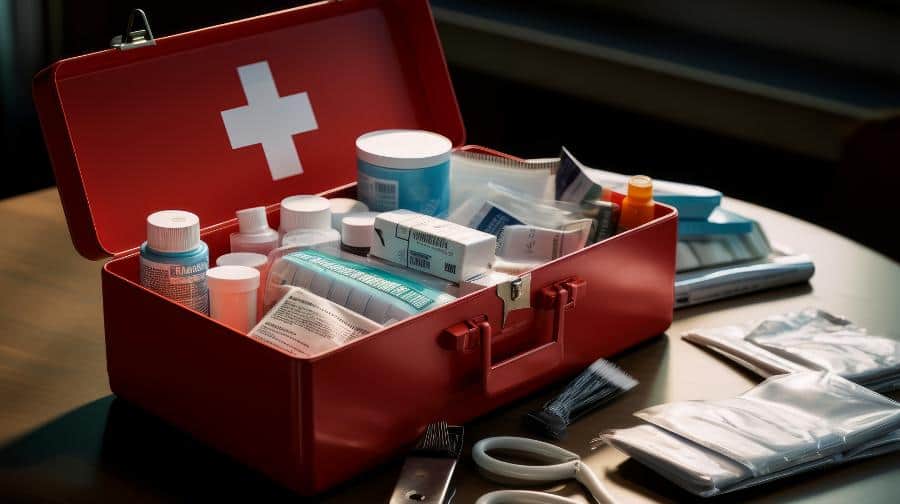
A basic home first aid kit is a must-have for every household. It contains essential items to treat common injuries such as cuts, scrapes, and burns. Key components include:
- Adhesive Bandages: Available in various sizes for covering small cuts and blisters.
- Antiseptic Wipes: For cleaning wounds and preventing infection.
- Gauze Pads and Tape: For larger wounds that require more coverage.
- Scissors and Tweezers: For cutting tape and removing splinters.
- Pain Relievers: Such as ibuprofen or acetaminophen to alleviate pain and reduce fever.
Ready to get CPR certified? Our flexible courses make it easy to complete training on your schedule.
Office First Aid Kits
Office first aid kits are designed to address injuries that may occur in the workplace. These kits typically include items similar to home kits, with additional supplies to handle more specific workplace injuries:
- Eye Wash Solutions: For rinsing out irritants or chemicals from the eyes.
- Cold Packs: For reducing swelling and soothing minor sprains or strains.
- CPR Face Shields: To provide a barrier during resuscitation.
- Burn Gel and Dressings: For treating minor burns often caused by office kitchen accidents.
Car First Aid Kits
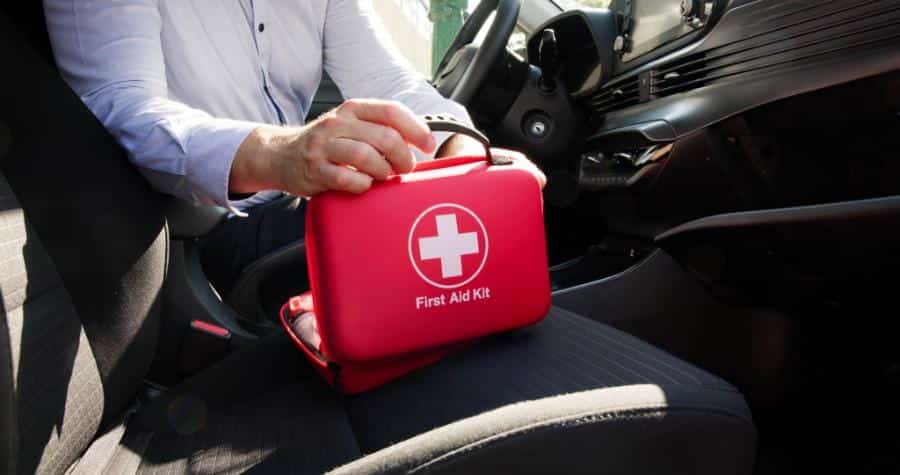
Car first aid kits are compact and designed to fit easily into a vehicle. They are tailored for roadside emergencies and traveling, often including:
- Emergency Blanket: To keep warm in case of a breakdown in cold conditions.
- Reflective Safety Vest: To ensure visibility when attending to roadside emergencies.
- Triangle Reflectors: For alerting oncoming traffic to a stopped vehicle.
- Multi-Tool: A versatile tool for a range of small repairs and adjustments.
Outdoor and Adventure First Aid Kits
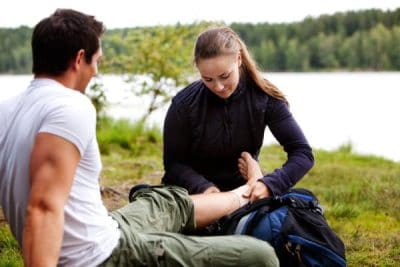 These kits are essential for hiking, camping, and other outdoor activities. They are more comprehensive in dealing with injuries that might occur in remote locations:
- Water Purification Tablets: For ensuring safe drinking water in the wild.
- Snake Bite Kit: For initial treatment of snake bites.
- Insect Sting Relief: For soothing insect bites and stings.
- Medical Guide: A compact guide for handling various emergencies in remote areas.
Sports First Aid Kits
Designed for athletic environments, sports first aid kits focus on treating injuries common in sports and physical activities:
- Elastic Bandages: For wrapping sprains and strains.
- Instant Cold Packs: To quickly reduce swelling.
- Finger Splints: For immobilizing injured fingers.
- Antibacterial Ointment: For preventing infection in cuts and abrasions.
Customizing Your First Aid Kit
While pre-packaged first aid kits are convenient, customizing your kit to meet specific needs is advisable. Consider the environment, potential risks, and personal health conditions when assembling your kit. This ensures that you are fully prepared for any situation you might encounter.
Conclusion: The Value of Preparedness
First aid kits are indispensable in promoting safety and preparedness across various environments. By understanding the different types of first aid kits and their specific uses, individuals can better equip themselves to handle emergencies effectively. Whether at home, at work, or during outdoor adventures, having the right first-aid supplies on hand can make all the difference in preserving health and safety.
Invest in a suitable first aid kit today, and consider taking a basic first aid course to enhance your ability to respond in emergencies. Preparedness is not just about having the right tools; it’s about having the knowledge and confidence to use them effectively. Protect yourself and those around you by ensuring you’re always ready to act when it matters most.